In active response to the evolving demands of global public health governance and with the aim of establishing a high-caliber, specialized, and international academic exchange platform in the field of mental health, the 2026 Academic Conference of the China Association on Drug Abuse Prevention and Treatment (CADAPT) and the 10th Annual Meeting of the World Association on Dual Disorders (WADD) were convened with grandeur from June 26 to 28.
Co-hosted by the China Association on Drug Abuse Prevention and Treatment (CADAPT), the World Association on Dual Disorders (WADD), and the National Center for Mental Disorders (Shanghai Mental Health Center), the conference was organized under the theme "Addiction and Dual Disorders: Challenges and Innovations." It convened renowned scholars, clinicians, and researchers from Italy, Chile, Canada, Spain, Portugal, France, Australia, Switzerland, and numerous other countries and regions, who gathered in Shanghai to engage in in-depth exchanges on frontier theories, clinical technological innovations, and cross-disciplinary collaboration, thereby collectively contributing intellectual insights and efforts to the high-quality advancement of global mental health and addiction prevention and treatment.
Professor Li Jin, President of CADAPT, and Professor Nestor Szerman, President of WADD, served as co-chairs of the conference, while Professor Zhao Min, Director of the National Center for Mental Disorders (Shanghai Mental Health Center), served as the Executive Chair.
Opening a New Chapter in International Academic Exchange
As the 10th Annual Meeting of WADD was held in China for the first time, this conference inaugurated a new chapter in international academic exchange within the fields of dual disorders and substance abuse prevention and treatment in China. The opening ceremony was presided over by Professor Li Jing from West China Hospital of Sichuan University.
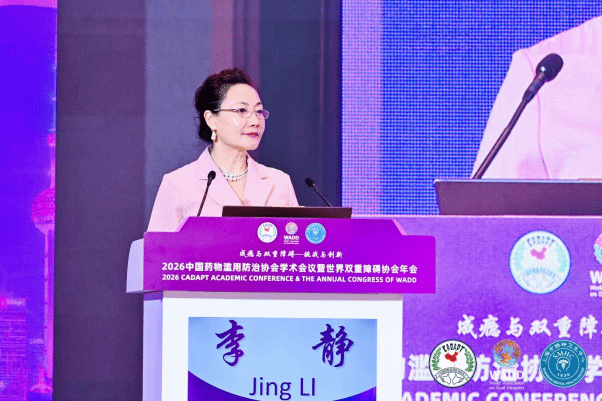
In her address, Professor Zhao Min noted that the Shanghai Mental Health Center, as the core pillar of the city's mental health service system, comprehensively undertakes critical functions encompassing clinical diagnosis and treatment, scientific research, talent cultivation, and international academic exchange. She expressed the expectation that this conference would serve as a catalyst for profound intellectual discourse, facilitating the transition of cross-border and cross-disciplinary collaboration from vision to implementation, thereby continuously enhancing societal scientific understanding of dual disorders, optimizing clinical intervention pathways, and promoting accessible and effective prevention and treatment paradigms.
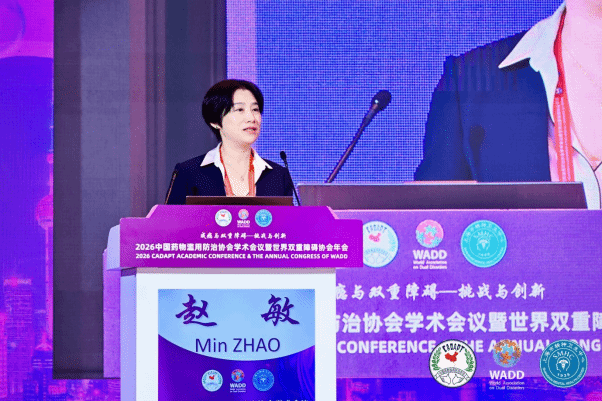
Professor Li Jin stated that the current global landscape of substance abuse is complex and volatile, with the comorbidity of dual disorders becoming increasingly prominent, thereby urgently necessitating the dismantling of geographical and disciplinary barriers to forge international consensus. This conference represents a high-caliber academic platform established in response to the demands of global public health governance, aimed at promoting the sharing and translation of global academic achievements and advancing pragmatic cross-regional cooperation.
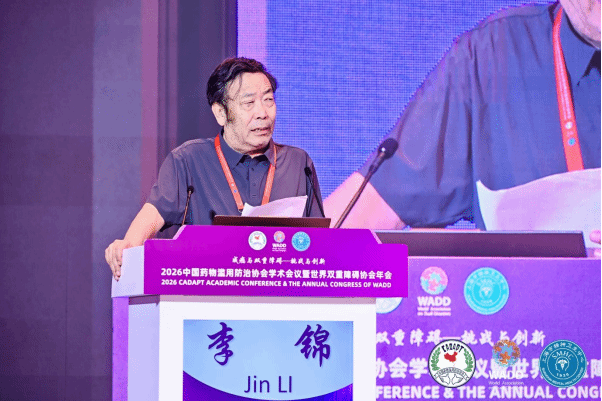
Professor Nestor Szerman emphasized that dual disorders are not rare clinical anomalies but rather prevalent and significant health issues that urgently require acknowledgment. The establishment of an efficient, standardized, and compassionate clinical system constitutes the key to facilitating the return of patients with comorbid addiction and mental disorders to healthy lives. He expressed the hope that experts and scholars from various nations would leverage this conference to deepen exchanges and expand collaborative networks, thereby collectively elevating the standards of diagnosis, intervention, and social support for dual disorders worldwide.
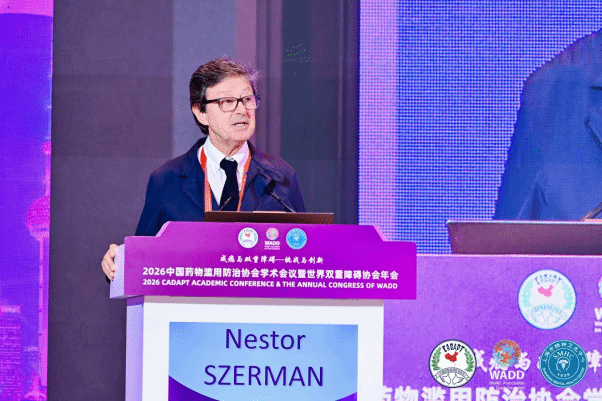
Dr. Sun Mingming, Director of the Medical Administration Division of the Shanghai Municipal Health Commission, pointed out that substance abuse currently exhibits new trends characterized by diversified substance categories, enhanced concealment, and a high prevalence of dual disorders, necessitating concerted global responses. Shanghai has consistently upheld the philosophy of a "People's City," issuing specialized policy documents in collaboration with multiple departments, coordinating resources and integrating efforts to accelerate the construction of a comprehensively covered social psychological service network. He expressed the hope that this conference would serve as a nexus for stakeholders to unite efforts, engage in mutual learning, and collectively advance the quality and advancement of mental health initiatives.
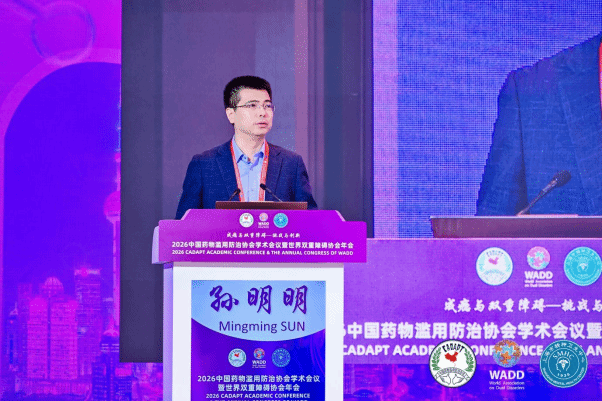
Guided by the core principles of "Global Synergy, Precision Prevention and Treatment, and Academic Leadership," the conference focused on two principal domains—substance abuse prevention and treatment, and the diagnosis and treatment of dual disorders. It facilitated multi-level and multi-dimensional exchanges on key issues including clinical diagnostic and therapeutic innovation, pathogenic mechanism research, public health policy formulation, and social intervention practices, thereby promoting the translation and application of frontier academic achievements, forging international consensus, and collectively addressing common challenges in the development of the field.
Establishment of the National Addiction Medicine Alliance and Conferment of the WADD Annual Pedro Ruiz Award
During the opening ceremony, under the guidance and support of CADAPT, the Shanghai Mental Health Center, in collaboration with 30 relevant institutions nationwide, initiated the establishment of the National Addiction Medicine Alliance. This alliance will further integrate national resources in addiction medicine across clinical practice, scientific research, and public health, address disciplinary development gaps, and construct a long-term cooperative system characterized by domestic coordination and international connectivity, thereby providing robust support for the high-quality development of addiction medicine as a discipline in China.
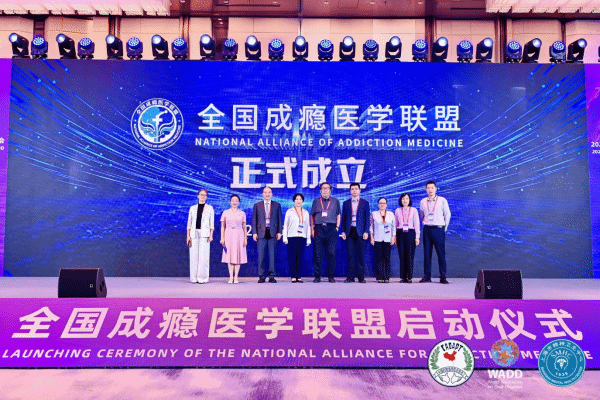
Concurrently, WADD conferred its annual Pedro Ruiz Award, named in honor of its inaugural president. This award is designed to recognize outstanding scholars who have made significant contributions to the fields of dual disorders and addiction medicine on a global scale.
Focusing on Frontier Issues: Concentrated Presentation of Multi-Domain Academic Highlights
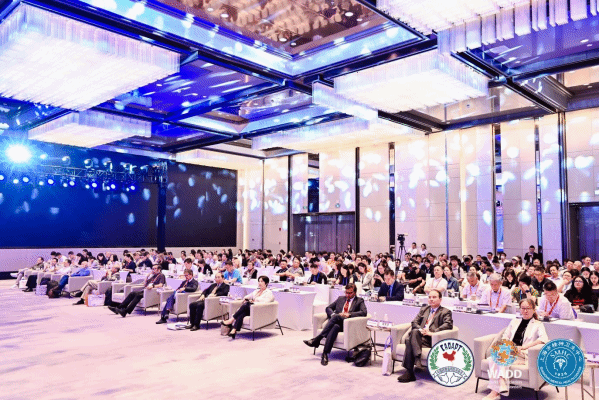
The three-day conference featured nine keynote presentations, primarily focusing on the neurobiological and circuit mechanisms of addiction, pathological identification and differentiation of psychiatric comorbidities (dual disorders), artificial intelligence and novel technology-driven drug development, the application of digital and smart healthcare in addiction treatment, and clinical translation and novel diagnostic and therapeutic strategies. These presentations systematically reviewed the latest research advancements and developmental directions in full-cycle interventions for addictive disorders, integrating global clinical research data to profoundly elucidate the pervasive nature and clinical significance of dual disorders, thereby providing novel perspectives for optimizing therapeutic concepts and practical pathways. Concurrently, the conference organized twenty thematic sessions, with over 70 presentations encompassing numerous frontier domains, including novel neuromodulation technologies for addiction treatment such as DBS brain-computer interfaces, the diagnosis and treatment of novel psychoactive substance abuse, interventions for behavioral addictions in adolescents, evidence-based research on traditional Chinese medicine for addiction, and the comorbid diagnosis and treatment of alcohol addiction.
In terms of international exchange, the conference invited leading experts from the United States, Spain, Italy, France, Canada, Australia, Switzerland, and other nations to engage in in-depth discussions on salient topics including the neurobiological mechanisms of cannabis use disorder, the comorbidity of tobacco use disorder and psychiatric illnesses, and dimensional therapeutic approaches to cocaine use disorder, thereby effectively facilitating the integration of Chinese and international academic concepts and the interchange of advanced technologies.
Clarifying the Direction Toward Precision and Systematization in Addiction Treatment
A pervasive academic consensus emerged throughout this conference: the future of addiction treatment is transitioning from an "experience-driven" paradigm to one of "precision remodeling." Experts in attendance unanimously concurred that elucidating the neurobiological essence of addiction constitutes the core breakthrough for achieving precision intervention, and that conceptualizing addiction as a chronic dysregulation of the brain-behavior-social regulatory system—rather than a mere substance use problem—is emerging as a new clinical consensus. The attainment of this consensus coincided with the formal establishment of the National Addiction Medicine Alliance, which provides organizational assurance for the implementation of this consensus and will propel the precision of addiction treatment from academic discourse to clinical practice.
Regarding specific research directions, experts contributed frontier insights from diverse perspectives.
The in-depth decoding of neural mechanisms is providing novel targets for precision intervention. A study published by Professor Zhao Min's team in the journal Neuron in March of this year revealed, for the first time, the alternating dysfunction mechanisms of two classes of inhibitory neurons in the prelimbic prefrontal cortex during distinct phases of withdrawal, and identified the molecular switch KCNC2 and its encoded Kv3.2 potassium channel. Building upon this foundation, the "Assessment-Based Precision Comprehensive Intervention Model (WARM)" proposed by the team has been disseminated and applied in community-based drug rehabilitation.
The comorbidity of addiction and psychiatric disorders has emerged as a core challenge in clinical diagnosis and treatment. One expert employed the metaphor of a "tangle of yarn" to illustrate the complex etiology underlying addiction—wherein psychological issues such as depression and anxiety intertwine like strands of different colors, with addiction representing only the visible manifestation. In Chinese frontline clinical practice, patients with comorbidities confront structural challenges including impeded treatment pathways, the absence of standardized therapies, and inadequate long-term care. Professor Zhou Wenhua from the Affiliated Kangning Hospital of Ningbo University supplemented this perspective from a basic research standpoint, noting that the team is dedicated to translating the molecular mechanisms of addiction into novel diagnostic technologies and therapeutic targets.
The clinical translation of neuromodulation technologies has galvanized collaborative exploration among Chinese and international experts. Professor Hao Wei from the Second Xiangya Hospital of Central South University emphasized that large-scale deployment must balance the tripartite relationship among technological innovation, medical safety, and treatment costs. French experts shared experiences from the clinical translation of multiple technologies in Europe, explicitly identifying personnel training as a critical component for localized implementation. Professor Zhang Xiaochu from the University of Science and Technology of China presented preliminary clinical efficacy data on non-invasive deep brain stimulation and projected that key breakthroughs in target optimization and individualized treatment protocols would be achieved within the next three to five years.
At the level of international cooperation, multiple experts proposed concrete pathways. Professor Szerman recommended that China and Europe engage in pragmatic collaboration in joint scientific research, talent exchange, clinical trials, and the formulation of diagnostic and therapeutic standards. Professor Hao Wei cautioned that cooperation must respect the distinctive characteristics of respective healthcare systems. Professor Zhao Min concluded by noting that digital technology, precision treatment, and standardized systems are reshaping addiction medicine in China, and that a strategic balance between indigenous innovation and international integration must be struck in the future.
From the profound breakthroughs in basic research to the steady advancement of clinical translation; from the systematic reconstruction of comorbidity treatment frameworks to the continuous expansion of international collaborative networks—addiction treatment is undergoing a historic transition from "one-size-fits-all" to "subtyping and staging," and from "acute withdrawal" to "long-term management." As the consensus articulated by multiple experts in the conference summary affirms: translating basic research into accessible clinical protocols and integrating Chinese insights into the global prevention and treatment system constitute the core imperative for the next phase of addiction medicine.
Rooted in Shanghai: Co-Drawing a New Blueprint for Global Prevention and Treatment
This conference represents not only a significant practice in deeply integrating China's substance abuse prevention and treatment and dual disorder diagnosis and treatment fields with the international academic frontier, but also establishes a long-term exchange platform for Chinese and international mental health professionals to engage in mutual learning and win-win cooperation.
Rooted in Shanghai and looking toward the globe, this conference is not merely the first convening of the WADD Annual Meeting in China but more significantly marks a historic transition of China's addiction medicine and dual disorder diagnosis and treatment fields from international academic "followers" to "leaders," representing an important practical demonstration of the "Healthy China" strategy on the international mental health stage. The academic achievements, clinical consensus, and international cooperation initiatives emerging from this conference will provide "Chinese solutions" and "Chinese wisdom" for the optimization and upgrading of global addiction and dual disorder prevention and treatment systems.
Looking ahead, the participating parties will regard this conference as a new starting point, continuing to deepen global collaborative prevention and treatment cooperation, focusing on key areas including clinical technological innovation, public health intervention, and disciplinary talent cultivation, continuously refining the full-cycle prevention and treatment system for addiction and dual disorders, driving the high-quality development of mental health through academic innovation, and making greater contributions to safeguarding global public mental health and building a community of health for all humanity.