Opening: Connected by Tides, United for Mental Health
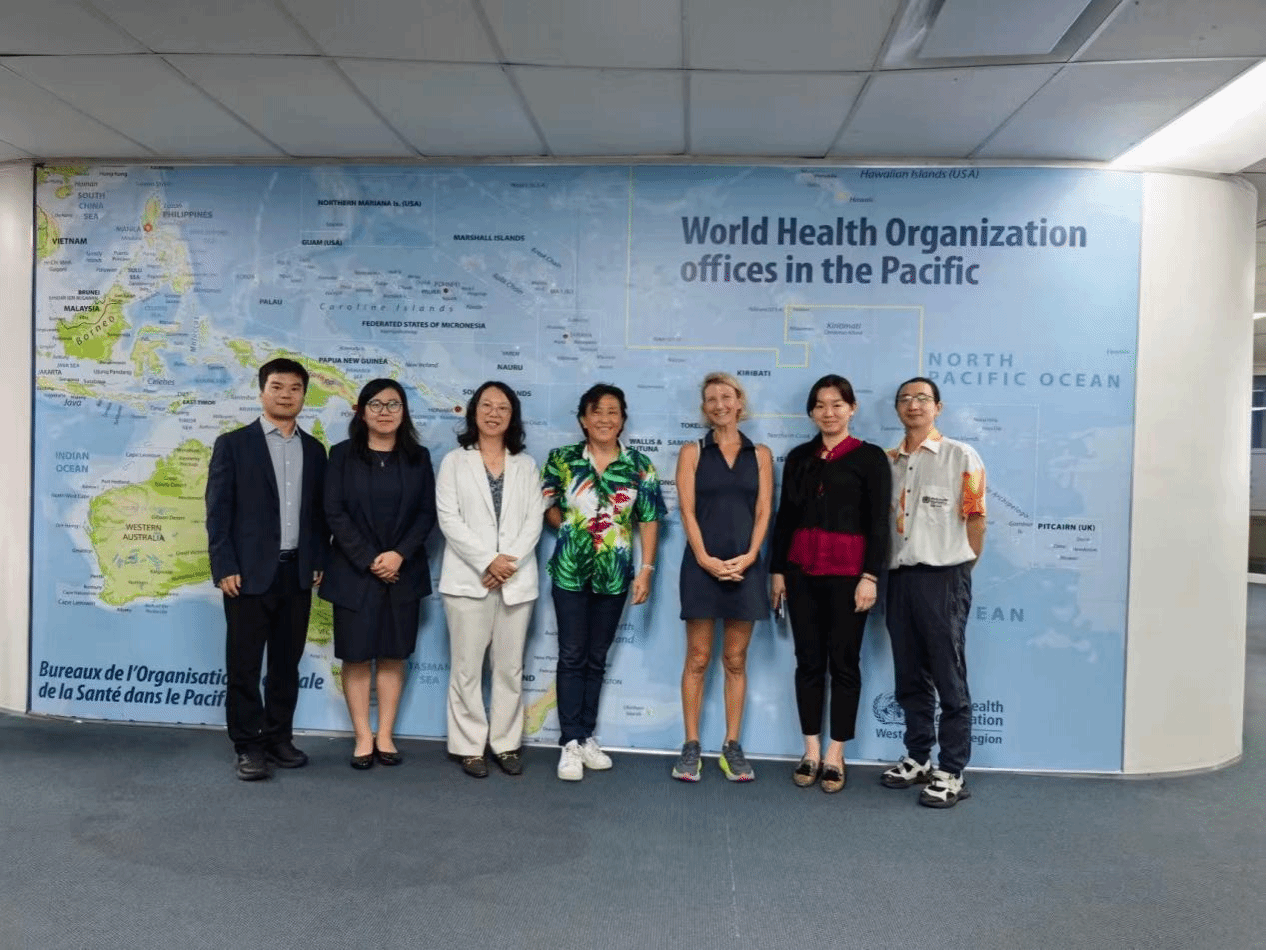
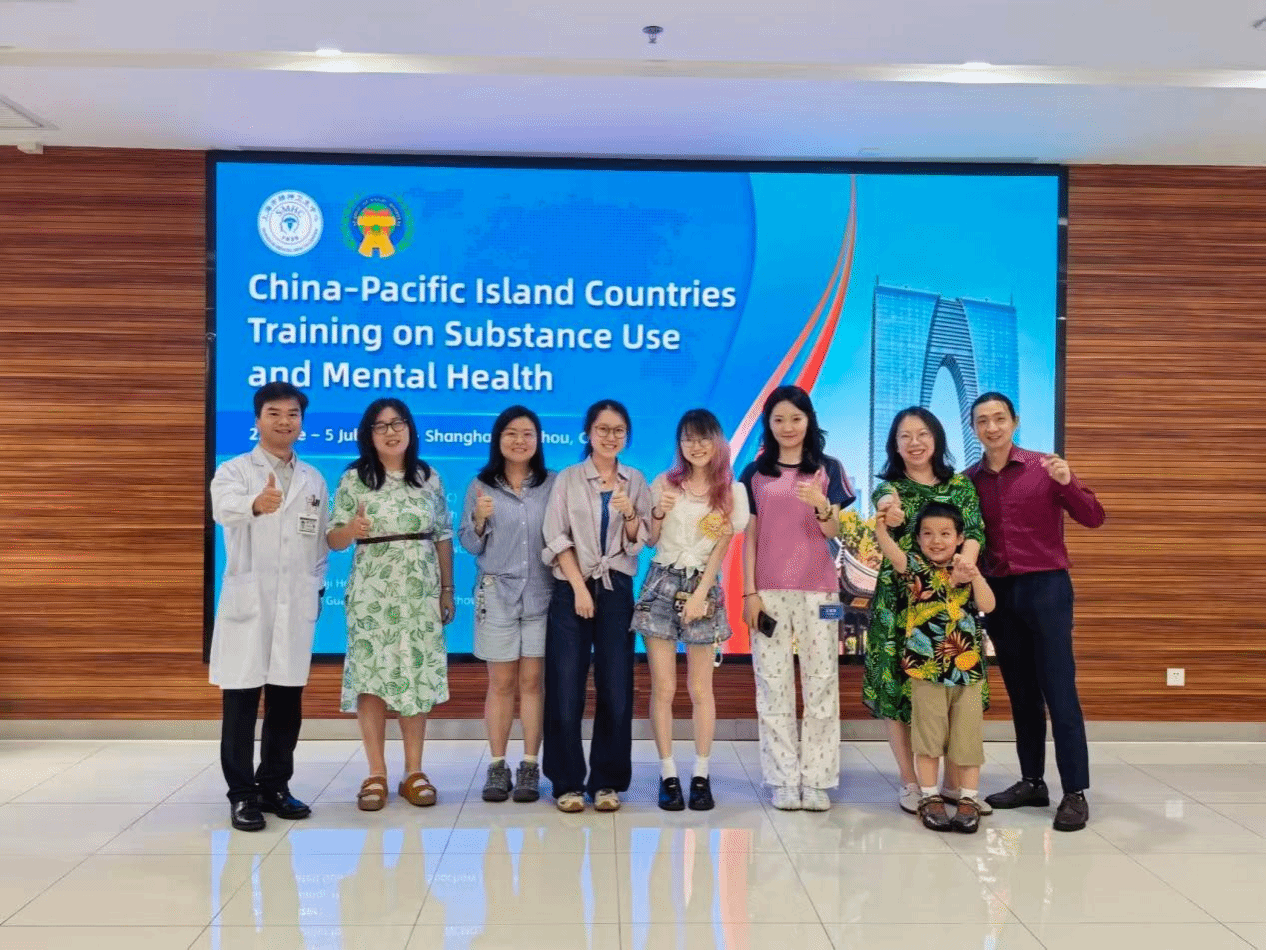
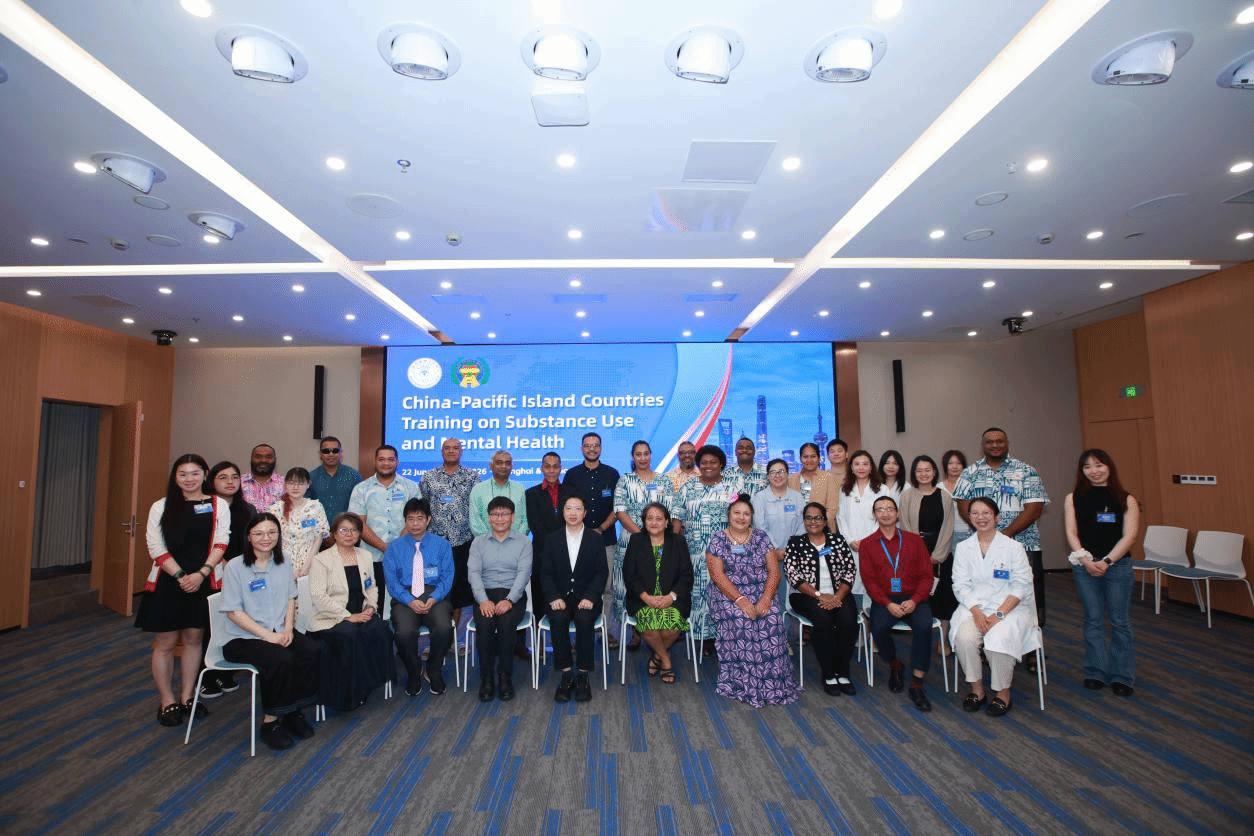
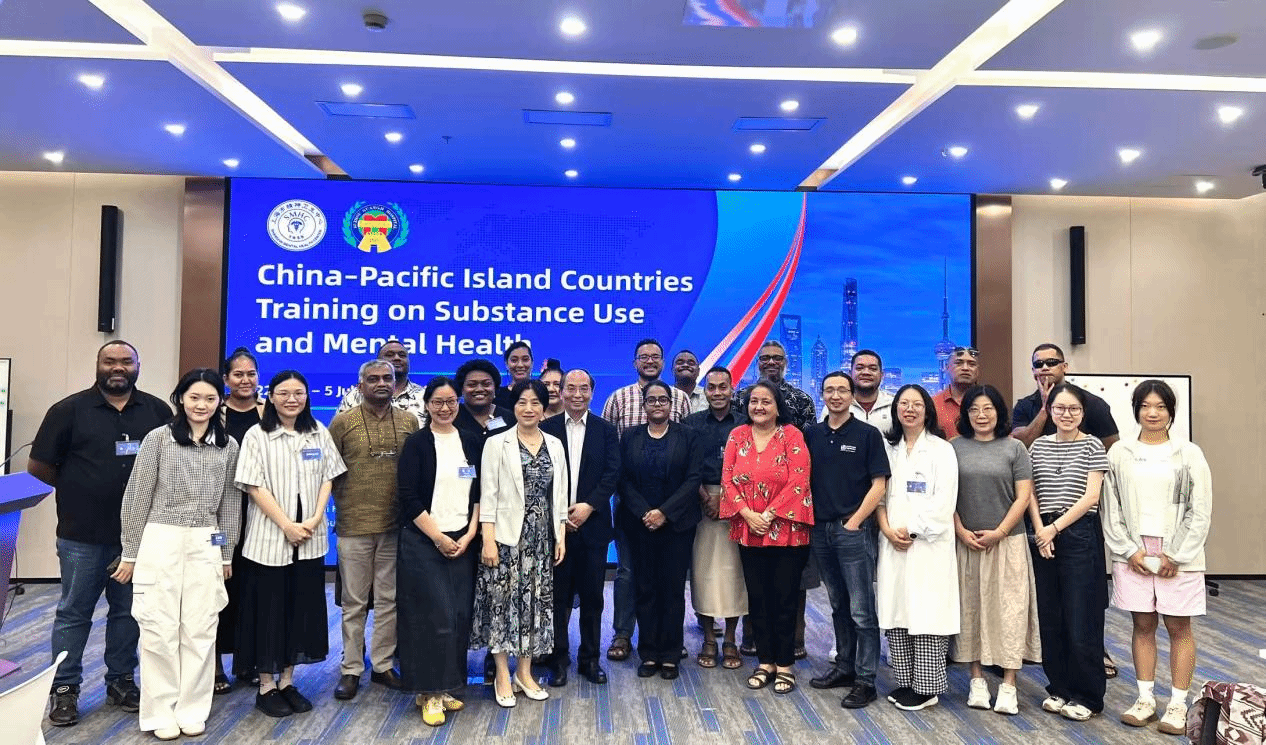
The China–Pacific Island Countries Training on Substance Use and Mental Health was successfully held from June 22 to July 5, 2026, with support from the Department of International Cooperation of the Ministry of Science and Technology of China. Mental health professionals from five Pacific Island countries participated in this training program. The program was jointly organized by Shanghai Mental Health Center (SMHC) and Suzhou Guangji Hospital, with continuous guidance and support from experts of the World Health Organization (WHO) and the United Nations Office on Drugs and Crime (UNODC). It also received strong support from all WHO Collaborating Centers for Mental Health in China, including the Second Xiangya Hospital, Peking University Sixth Hospital, Beijing Huilongguan Hospital, Nanjing Brain Hospital, and Shanghai Mental Health Center, as well as the Changning District Mental Health Center and Suzhou Fifth People’s Hospital.
The training program was also supported and closely followed by the Shanghai Municipal Science and Technology Commission and the Foreign Affairs Office of the Shanghai Municipal Government. The program was guided by the core principles of capacity building and mutual learning, focusing on high-quality development of mental health services, advances in mental health technologies, psychological health, psychosocial support and psychological first aid, standardized treatment of substance use disorders (SUD), and prevention and control of related infectious diseases. It addressed the practical needs of mental health development in Pacific Island countries and explored pathways for adapting and applying China’s experiences within local contexts.
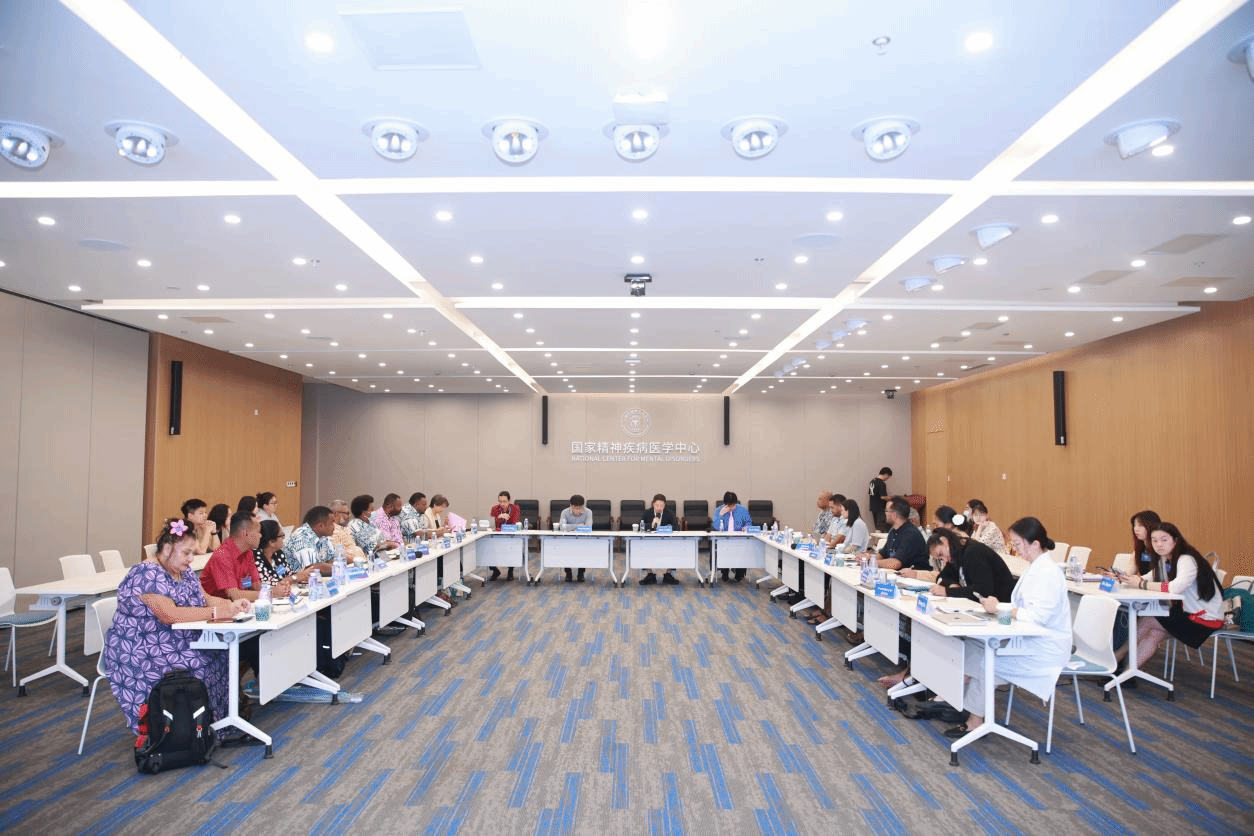
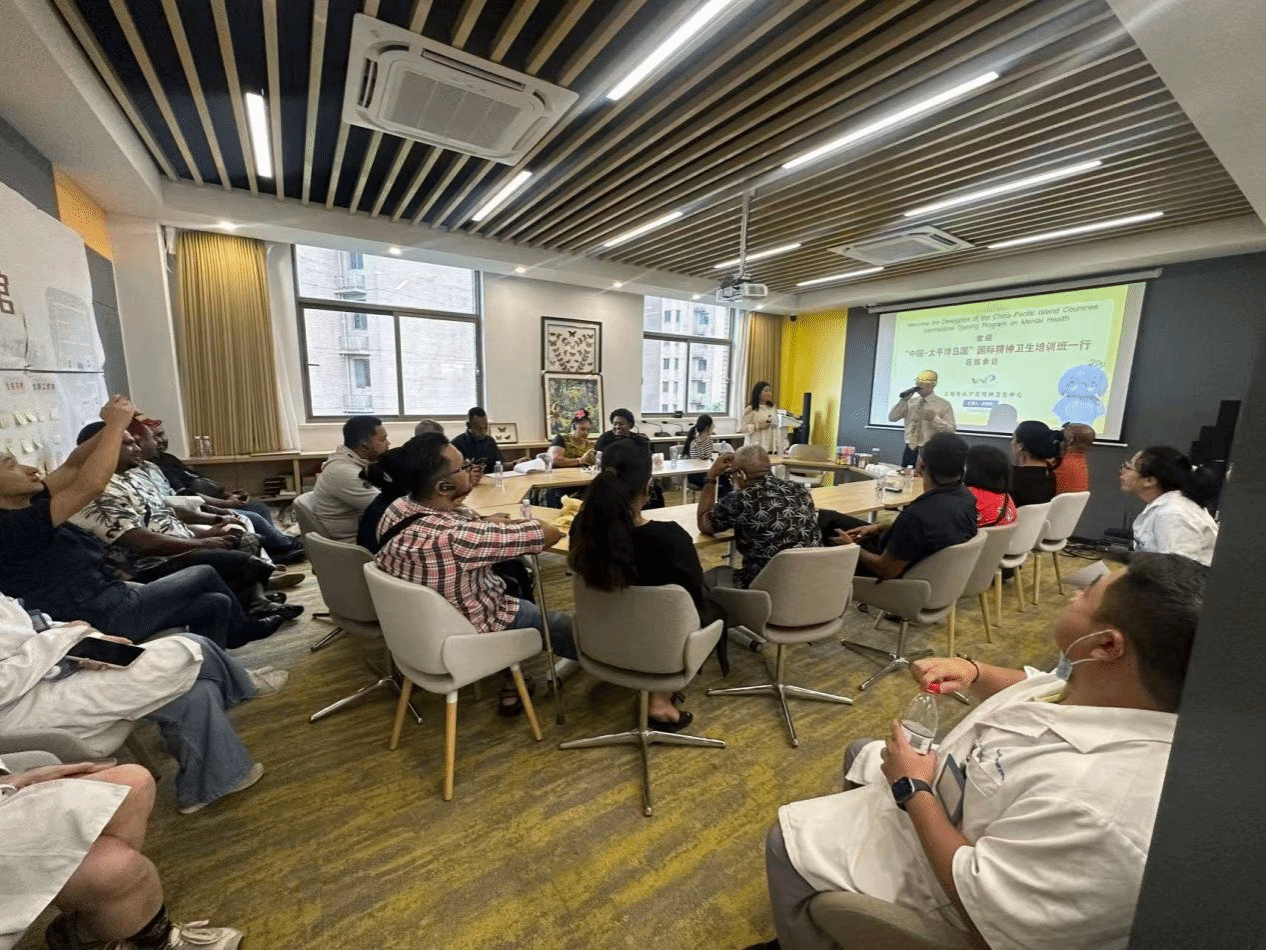
On June 23, the training program officially commenced at the Xuhui Campus of Shanghai Mental Health Center. Mr. Junjie Xiao, Party Secretary of Shanghai Mental Health Center, delivered the opening remarks. He warmly welcomed participants from Pacific Island countries and WHO representatives, expressed appreciation for the support from various organizations, and emphasized that mental health is a critical component of global public health. He highlighted that this training represents a concrete action in implementing the shared commitment between China and Pacific Island countries in the field of health cooperation. He expressed hope that the program would serve as an opportunity to establish a long-term and stable platform for academic exchange and collaboration, jointly strengthening regional mental health service capacity.
Dr. Jiang Long, Technical Officer from the WHO Pacific Technical Support Office, also delivered remarks at the opening ceremony. He congratulated the launch of this training, expressed appreciation to Shanghai Mental Health Center and all organizers, and welcomed participants who had travelled from across the Pacific region. Dr. Long noted that Pacific Island countries face significant challenges related to mental health and substance use, including limited-service resources and workforce shortages. He emphasized that this training provides a valuable platform for mutual learning and knowledge exchange between China and Pacific Island countries, and expressed expectations that cross-country collaboration would contribute to strengthening regional mental health systems and advancing accessible mental health services for all.
The opening ceremony was chaired by Dr. Min Zhao, President of SMHC, and Dr. Yang Shao, Vice President of SMHC. Relevant officials from the division of Sci-Tech Cooperation of Shanghai Municipal Science and Technology Commission, and Weimin Yang, Director of the Department of Education and Research of Shanghai Mental Health Center, attended the ceremony and expressed their expectations for the success of the program 2026 China–Pacific Island Countries Training on Substance Use and Mental Health.
Module One: Workshop on Mental Health Service Capacity Building
Current Challenges and Learning from Each Other
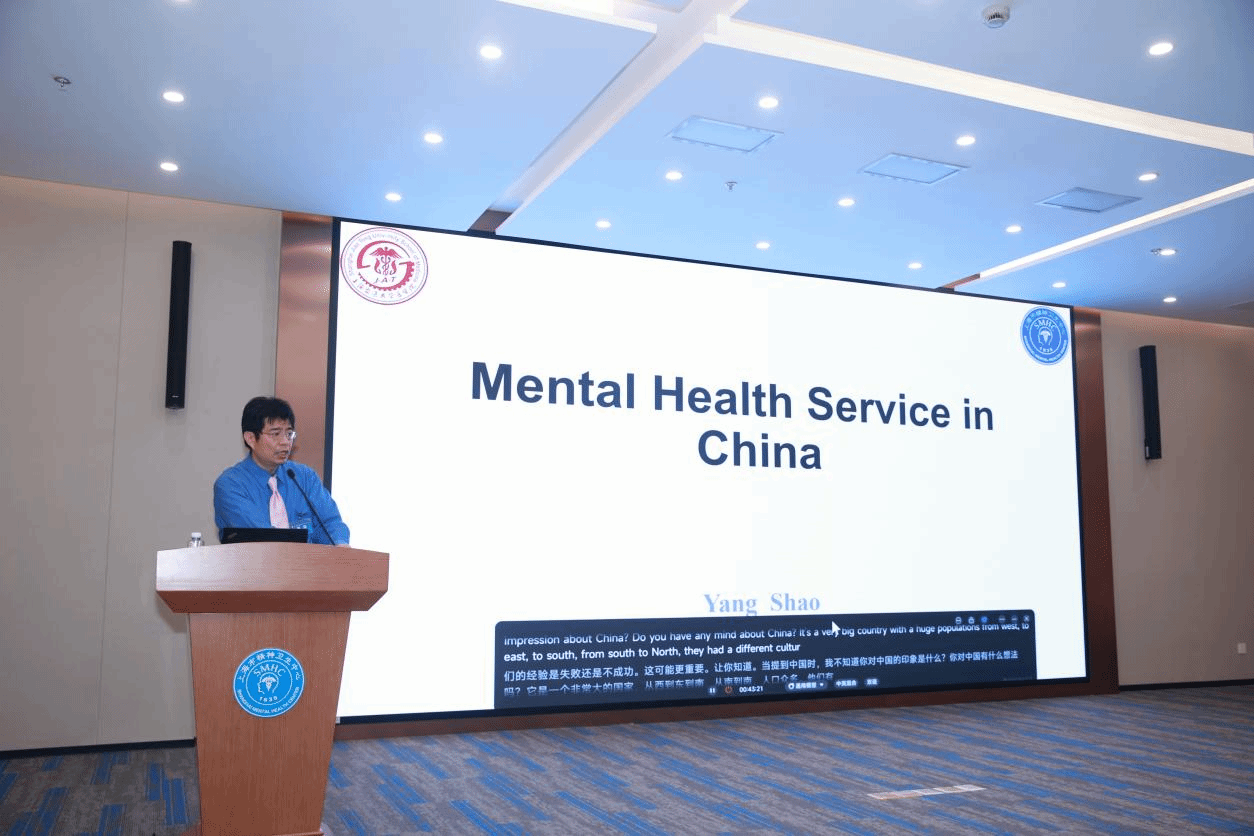
The first day of training focused on the current challenges facing mental health and substance use services in the Pacific region, while introducing China’s efforts in advancing high-quality mental health development. Dr. Yang Shao, Vice President of SMHC, reviewed the transformation of China’s mental health service system from traditional institution-based care toward community-based and high-quality integrated services.
He analyzed current developments and challenges from three perspectives. First is the service systems, China’s mental health service have expanded from primarily focusing on the management of severe mental disorders toward comprehensive psychological health services for the whole population. Yet, significant disparities remain between regions and between urban and rural areas. Some central and western regions continue to rely heavily on specialized psychiatric institutions. While various regions have explored new service models, including psychiatric day hospitals and partnerships with social organizations, development remains uneven. Second is the rights protection and regulatory systems. Dr. Shao highlighted challenges related to involuntary hospitalization practices, including the potential overuse of compulsory admission procedures and insufficient protection of patients’ informed consent and autonomy. He also noted regulatory gaps in some private institutions, including inappropriate admission practices and insurance-related violations. Last is the digitalization and information systems. China has established nationwide mental health information systems capable of collecting data throughout service processes. However, further improvement is needed in tracking treatment outcomes, strengthening data sharing, and enhancing advanced data analysis capabilities.
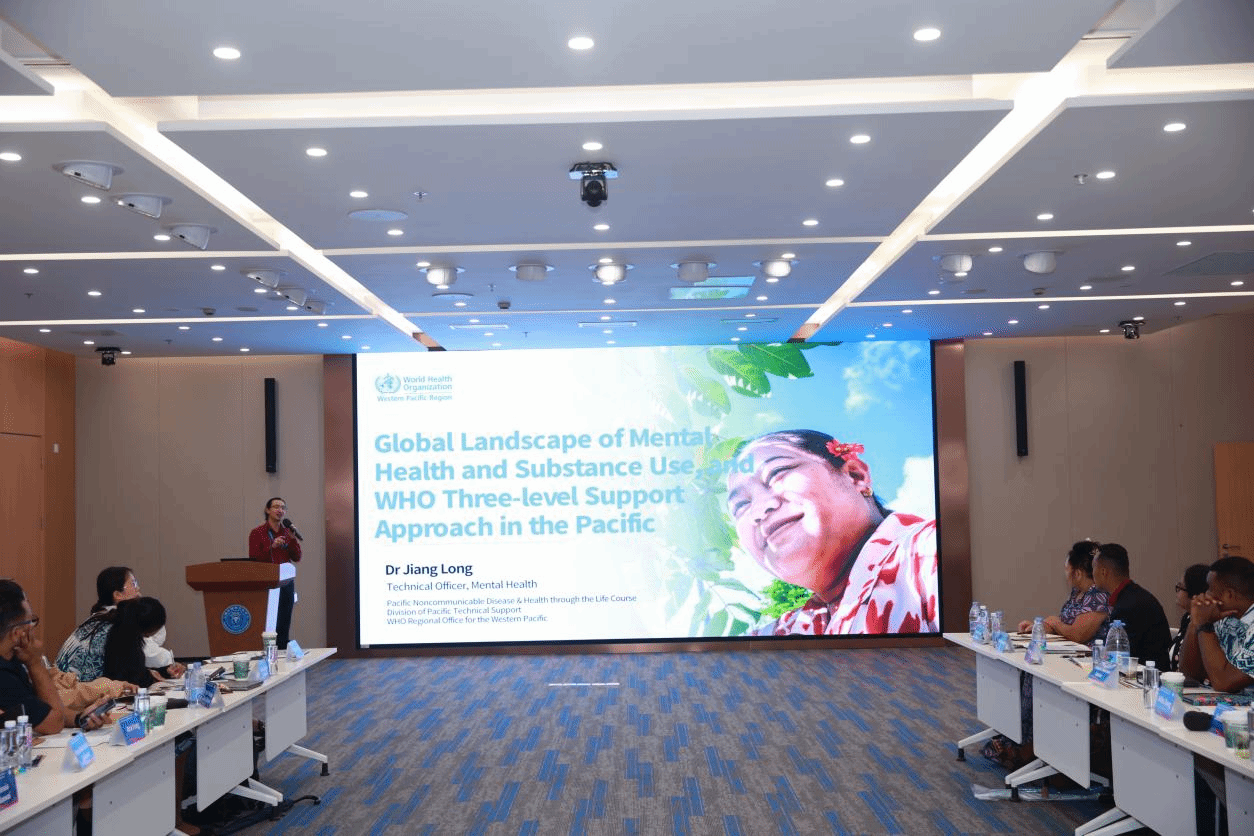
Dr. Jiang Long from WHO introduced the Pacific Islands Countries (PICs) Mental Health Strategy, noting that approximately one billion people worldwide live with mental health conditions, while 71% of people still lack access to effective care. Disorders cause 1.2 billion lost workdays and over $1 trillion in economic losses annually. He emphasized that the WHO Western Pacific Region is promoting a community-based ecosystem approach to expand mental health services, strengthen primary-level capacity through tools such as mhGAP, and support PICs in developing mental health policies and emergency response systems.
Then professor Jialing Lin from the University of New South Wales provided an overview of the mental health landscape across PICs, highlighting major challenges including highly centralized psychiatric services, shortages of trained professionals, limited financial investment, and weak monitoring systems. Dr. Lingjun Chu from Harvard University further examined data challenges in the region. Many PICs lack fundamental data regarding populations who inject drugs, service utilization rates, and treatment outcomes. Such data gaps create barriers to evidence-informed policymaking.
Representatives from countries including Fiji shared that their health information systems often record only the number of people accessing services, without systematically monitoring key indicators such as treatment outcomes.
Professor Annie Crooks from the University of the South Pacific presented on mental health and substance use education and training systems in PICs. She highlighted that the treatment gap for mental health conditions in the Pacific region is above 90%, with many training activities conducted as short-term initiatives without continuous supervision, professional development pathways, or workforce retention strategies.
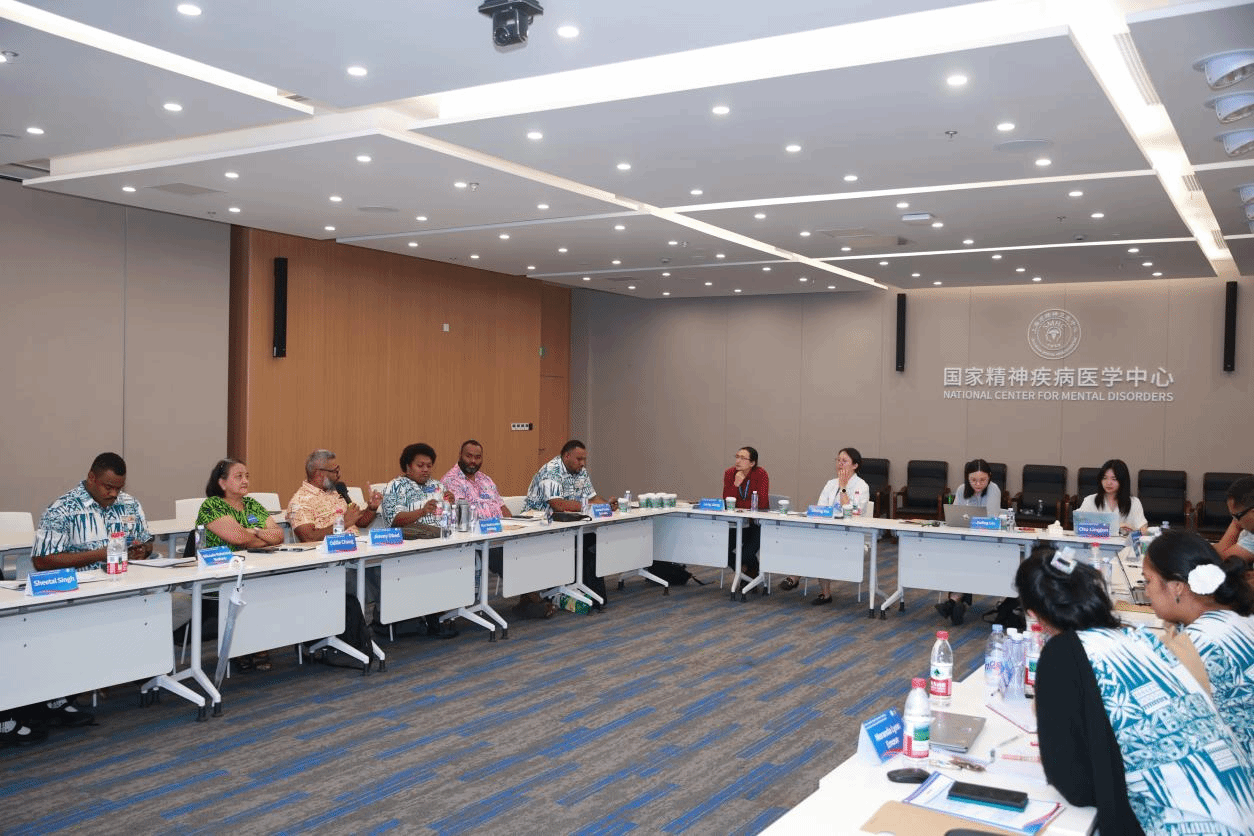
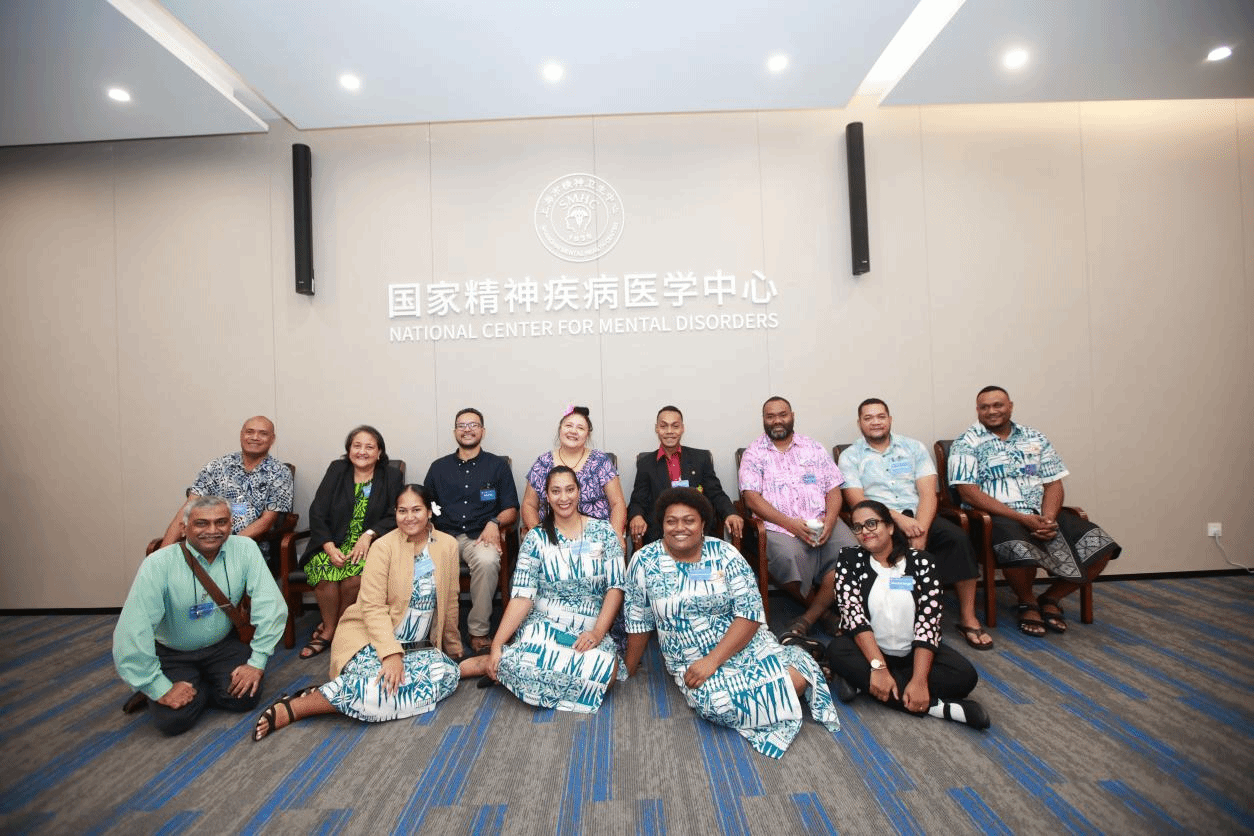

Exchange of Experiences between WHO Collaborating Centres for Mental Health in China and PICs Participants
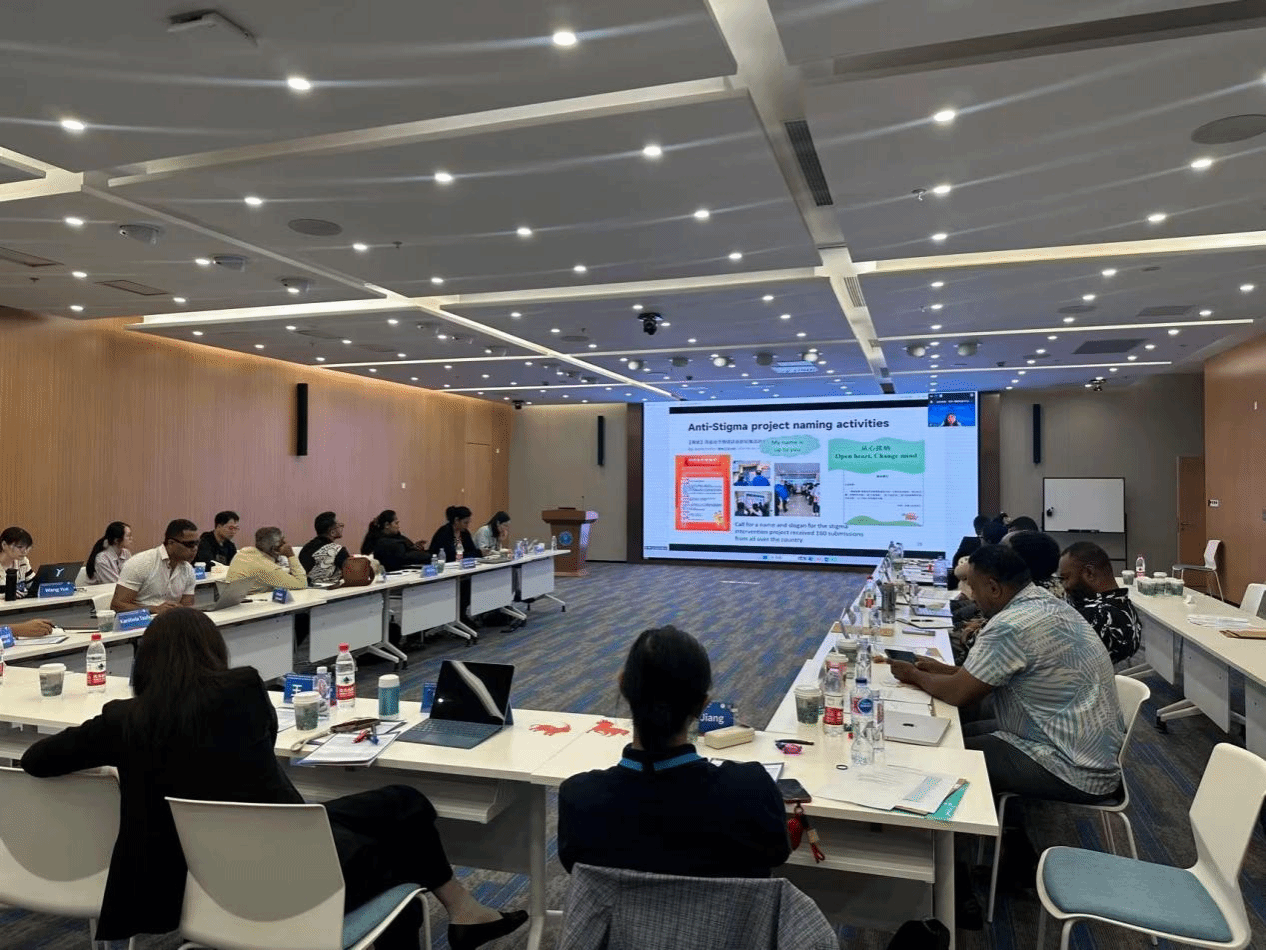
During Days 2–3 of the training program, discussions focused on China’s practical experiences in mental health, substance use services, and workforce development. Through multilateral dialogue and knowledge exchange, the sessions aimed to promote deeper collaboration in mental health while providing participants with opportunities to observe community-based mental health services in Shanghai.
Representatives from all WHO Collaborating Centres for Mental Health in China shared their expertise and experiences.
Dr. Xuyi Wang from the Second Xiangya Hospital of Central South University reviewed the development of SUD treatment and prevention in China over the past decade. Through approaches including methadone maintenance treatment, comprehensive drug control strategies, and community-based rehabilitation, China has achieved substantial progress, with a 52.1% reduction in registered drug users over six years and a 79.3% decrease in newly identified drug users. China continues to strengthen grassroots rehabilitation services, intelligent healthcare technologies, and international cooperation, aiming to establish a comprehensive system for SUD prevention and treatment.
Vice President Zhen Wang from SMHC introduced China’s experience in expanding the psychiatric workforce through standardized residency training and transition training programs, which increased the number of psychiatrists from 1.33 to 3.55 per 100,000 population. Although this level remains below that of high-income countries, the strategy of developing community-based mental health “gatekeepers” provides valuable lessons for Pacific Island countries facing limited human resources.
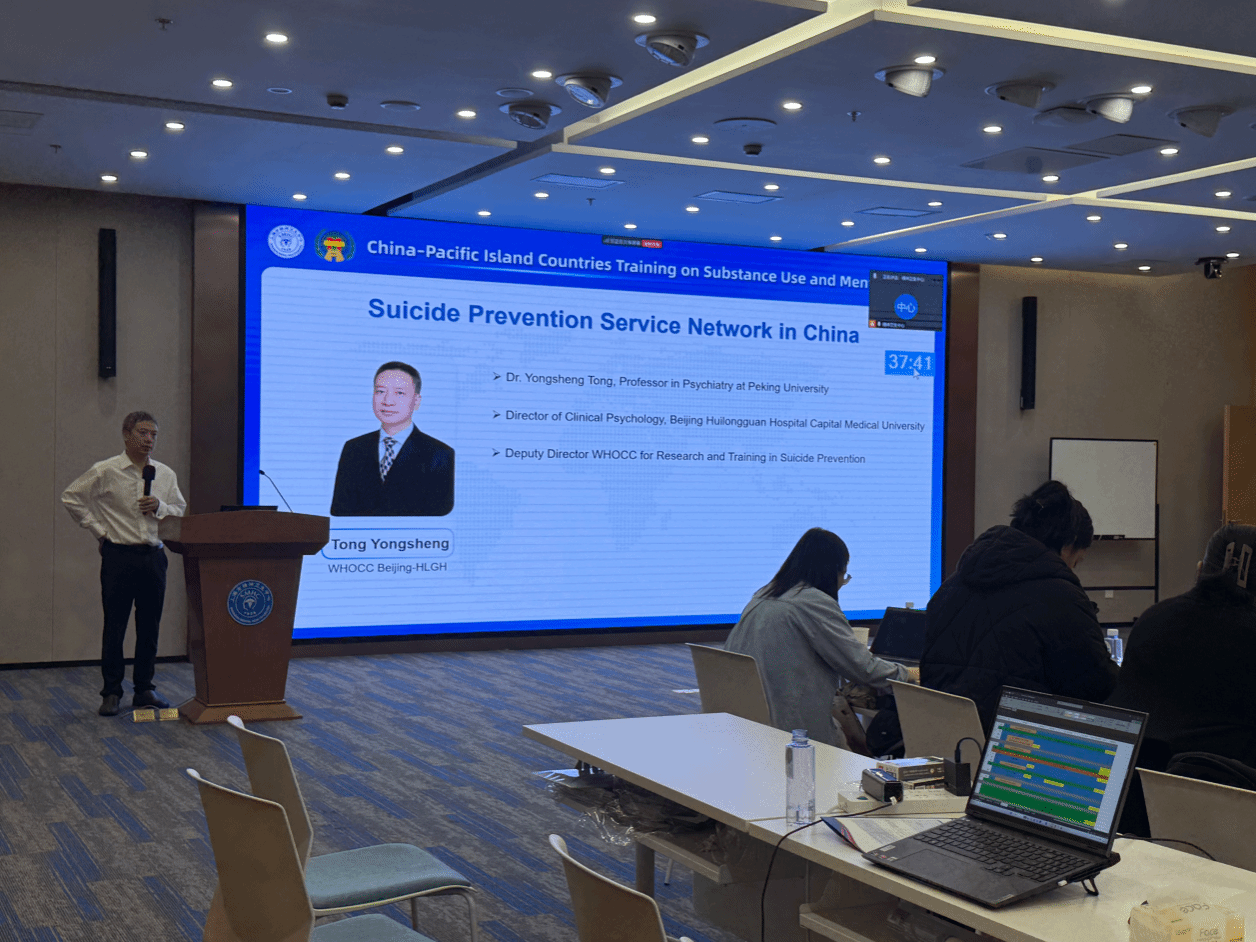
Professor Yongsheng Tong from Beijing Huilongguan Hospital shared China’s implementation experience of the WHO LIVE LIFE suicide prevention approach, highlighting how restrictions on highly lethal pesticides contributed to a significant decline in rural suicide rates. These experiences provide valuable references for PICs where suicide prevention remains a major public health priority.
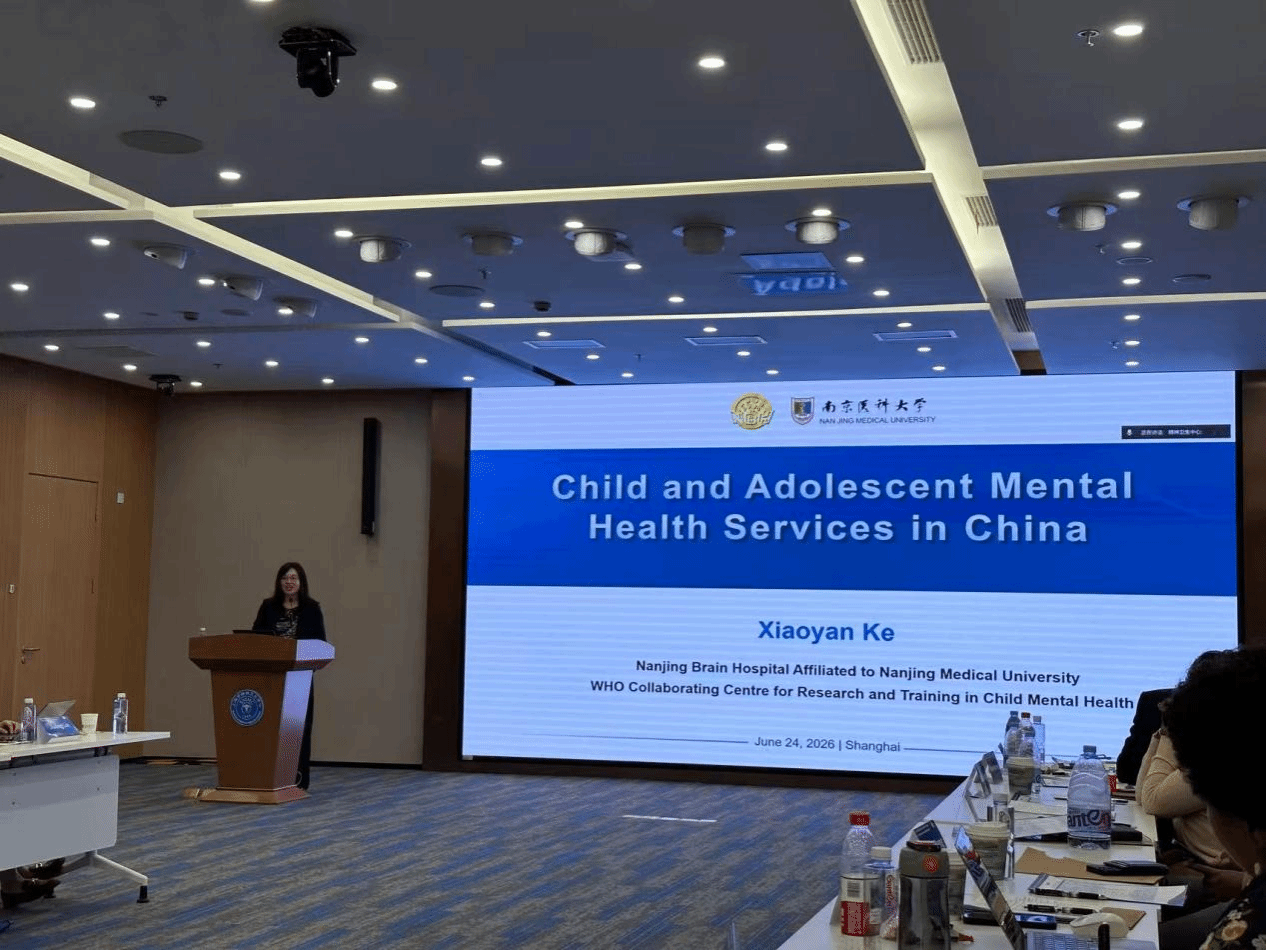
Professor Xiaoyan Ke from Nanjing Brain Hospital introduced the development of child and adolescent mental health services in China. She noted that the prevalence of mental disorders among children aged 6–16 years reaches 17.5%, and highlighted China’s four-dimensional development model involving government leadership, regional collaboration, integration of healthcare and education, and family participation. This framework offers a systematic approach for PICs seeking to strengthen services for younger populations.
Dr. Ning Ma from Peking University Sixth Hospital presented the development of China’s community mental health services. Through active participation in national mental health policy development and rely on regulation such as the Mental Health Law, it has implemented six national projects involving the 686 Program, peer support services, and community-based dementia care, establishing collaborative networks linking hospitals, communities, families, and schools. The focus of mental health services has progressively shifted from treatment of severe mental disorders toward early prevention, population-based care, and community rehabilitation.
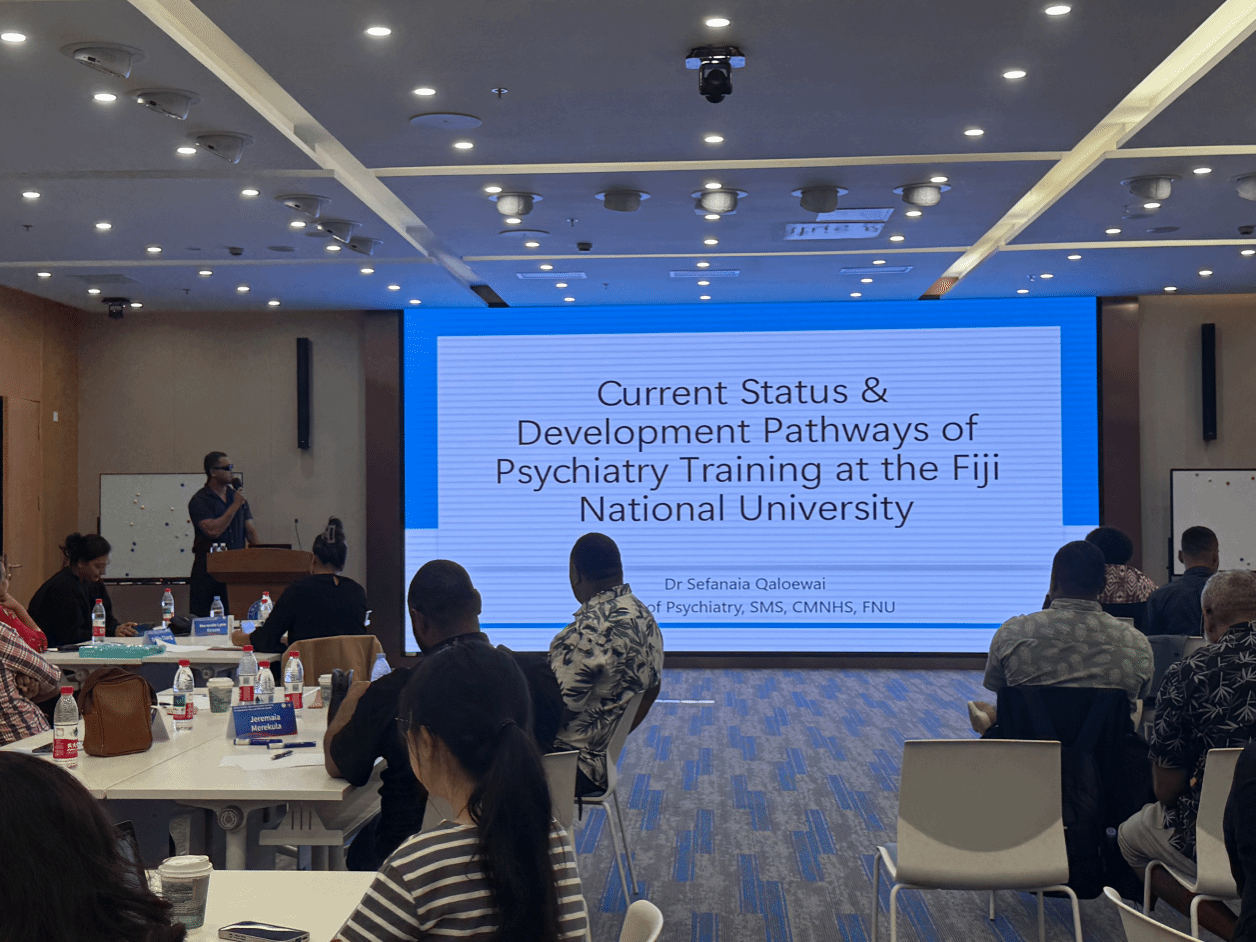
Dr. Qaloewai from the Fiji National University (FNU) introduced the current landscape of mental health education and workforce development in PICs. Building on more than a century of medical education experience, FNU has developed a regional, tiered training system for mental health professionals across Pacific countries, including vocational, undergraduate, and postgraduate programs aligned with WHO mhGAP standards, contributing to the development of locally trained mental health workers in the region.
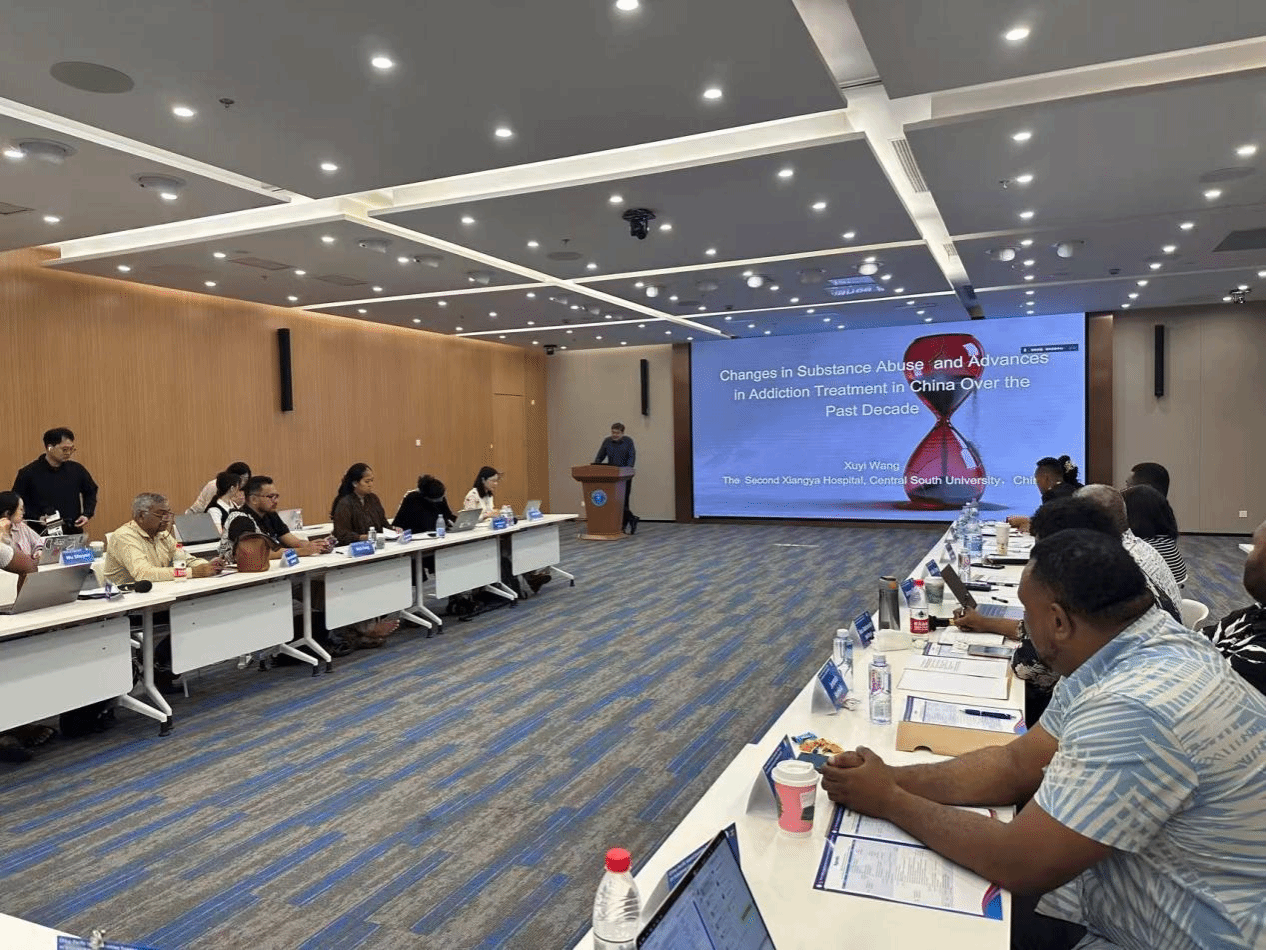
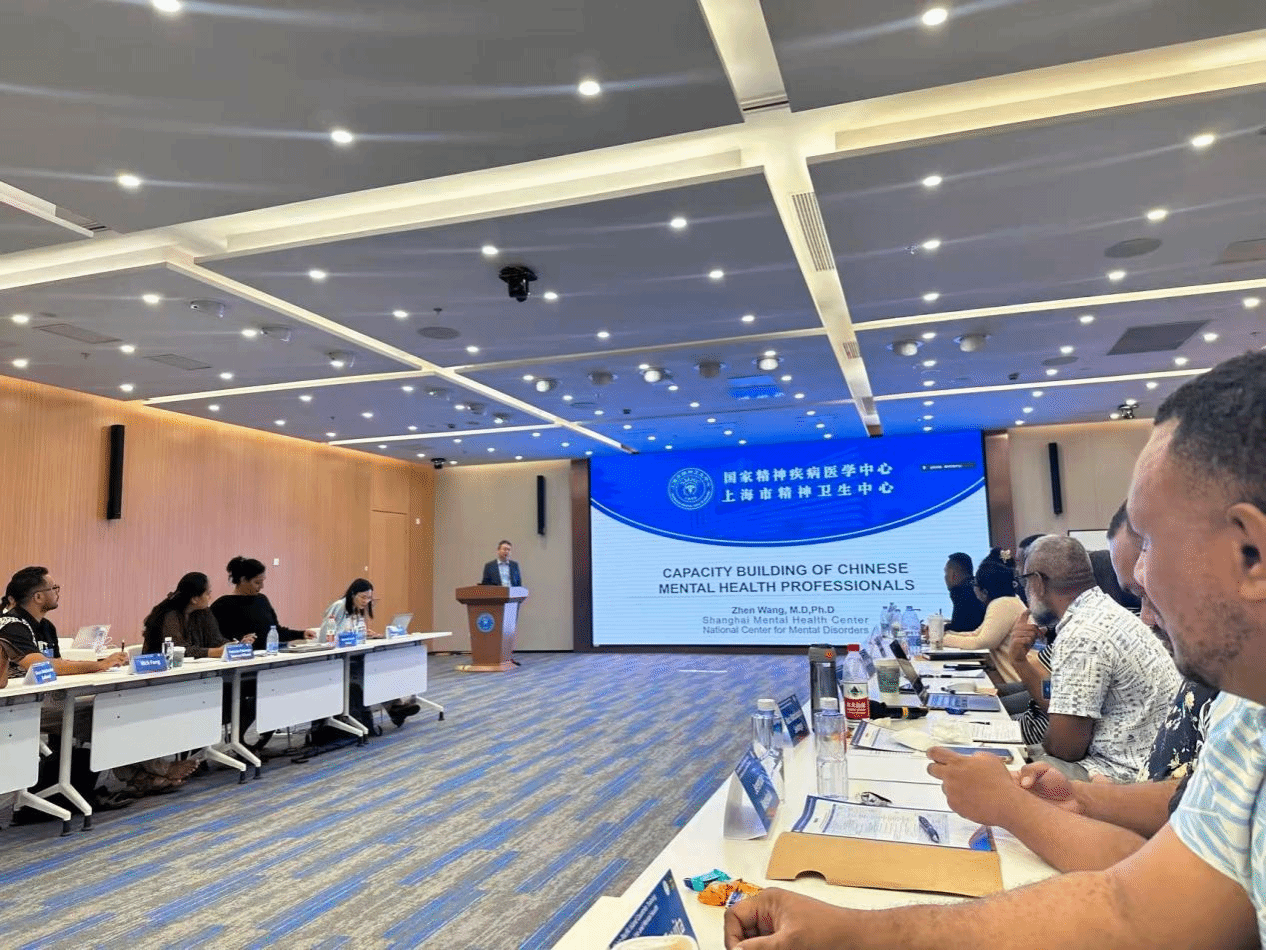
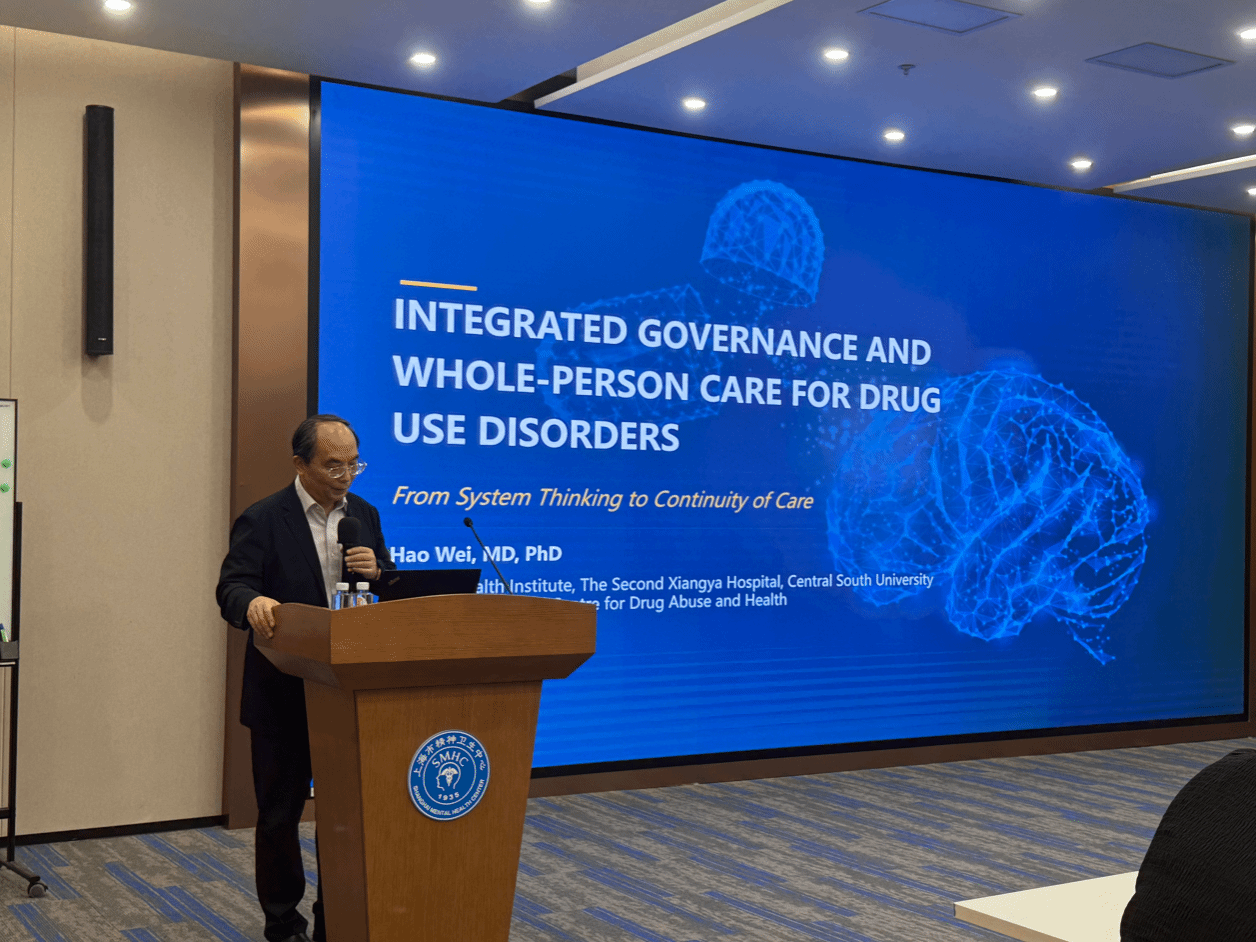
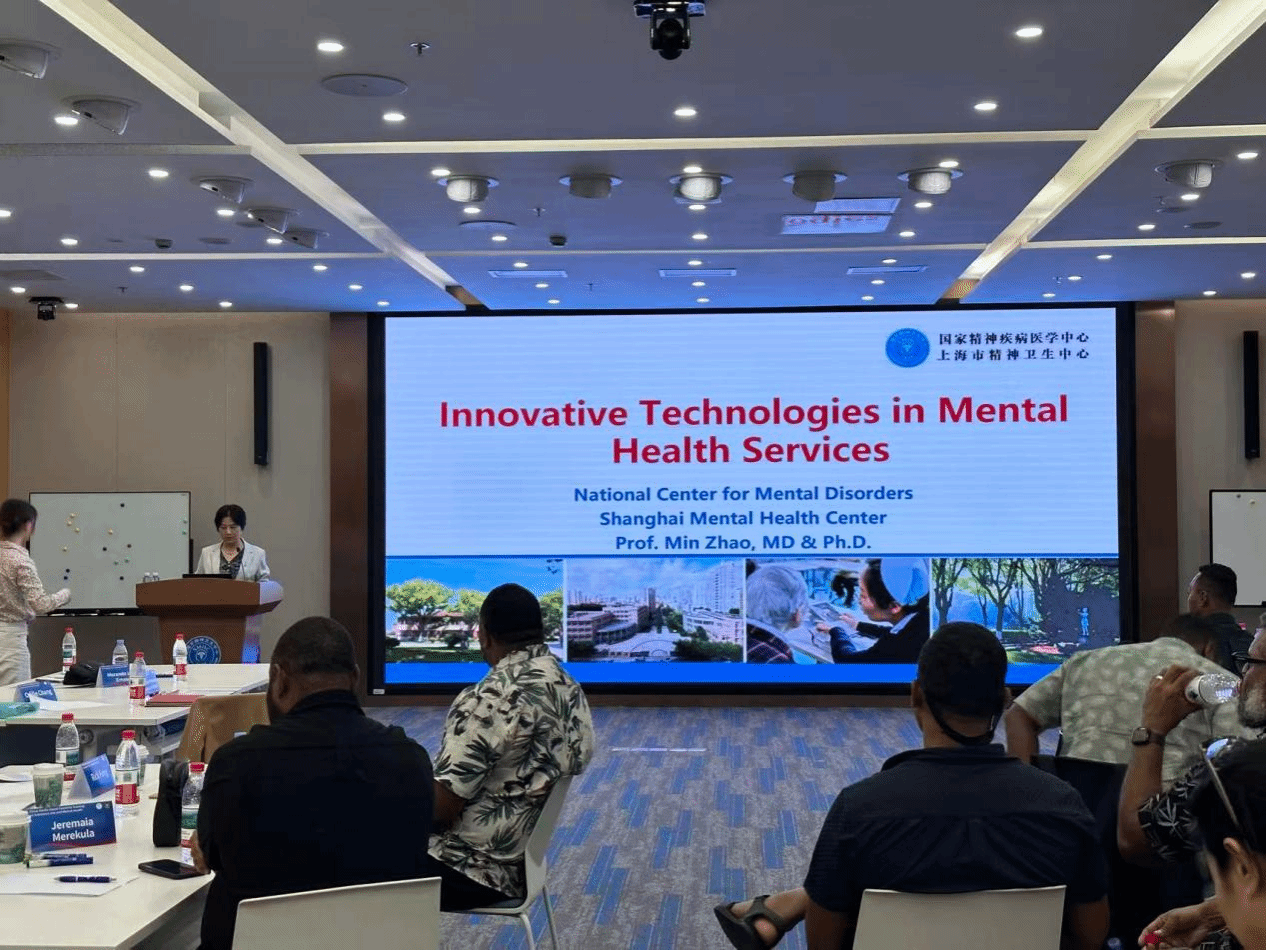
Dr. Jiang Du from the Department of Addiction Medicine at SMHC chaired a workshop on SUD management between China and PICs. Professor Wei Hao from the Second Xiangya Hospital of Central South University provided a comprehensive overview of China’s responses to drug and alcohol use disorders. He highlighted China’s transition from a primarily compulsory detoxification model toward approaches emphasizing voluntary rehabilitation, community-based support, and integrated long-term care. President Min Zhao of SMHC introduced emerging technologies in addiction treatment, including AI-assisted diagnosis, virtual reality-based assessment, and digital therapeutics. For example, psychological interventions using virtual avatars (VA) have demonstrated potential in reducing craving among individuals with SUD. These innovations provide new possibilities for addressing challenges related to geographic isolation and limited-service accessibility in PICs.
Professor Wei Hao subsequently chaired a discussion session on “Prospects for Future China–Pacific Cooperation.” Representatives from PICs expressed interest in sharing China’s tiered mental health workforce training systems, establishing remote clinical supervision platforms, and addressing shortages of mental health educators and workforce retention challenges. Chinese representatives, including Professor Hao and Professor Na Zhong, responded that China would support PICs through sharing standardized approaches for SUD treatment, providing digital rehabilitation tools, supporting the development of community-based care networks, and jointly conducting regional research on substance use prevention and management.
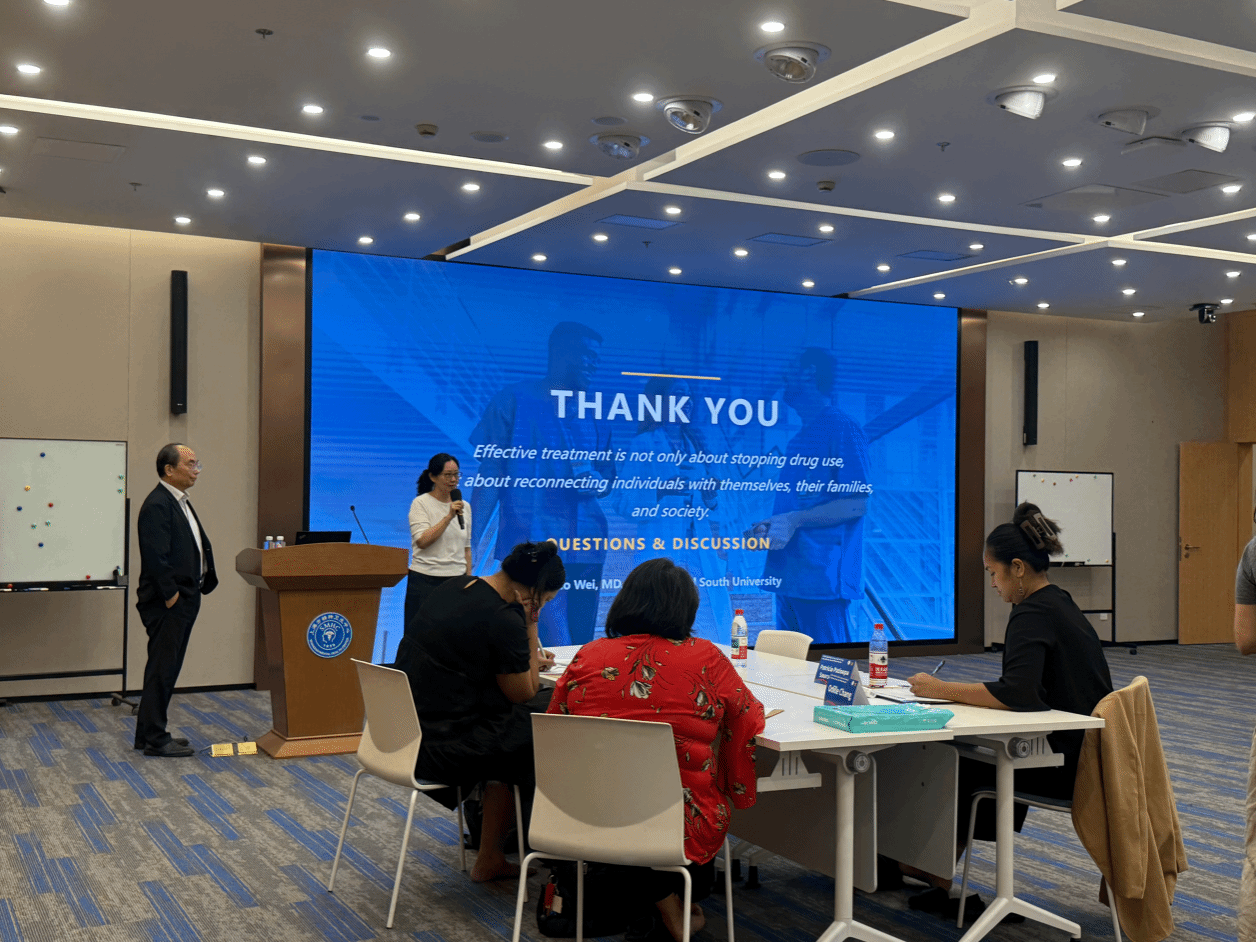
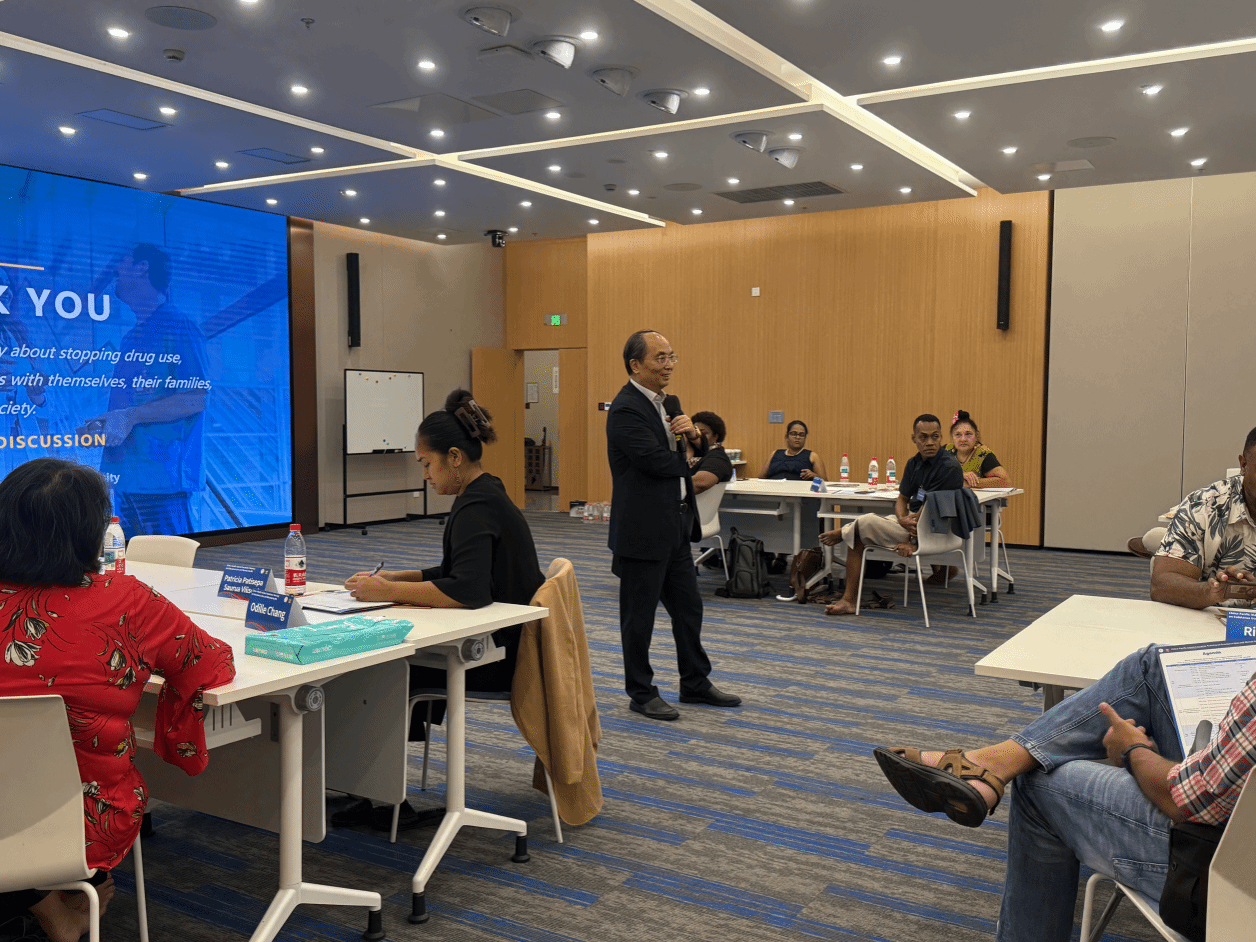
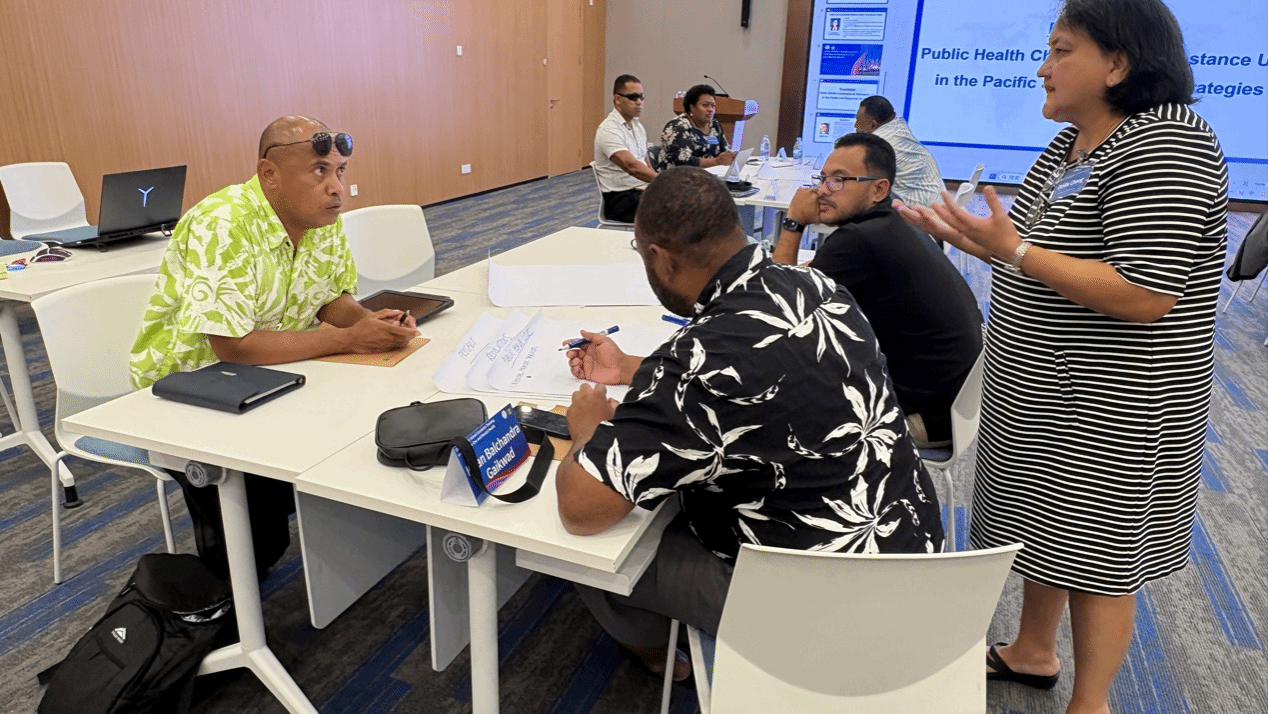
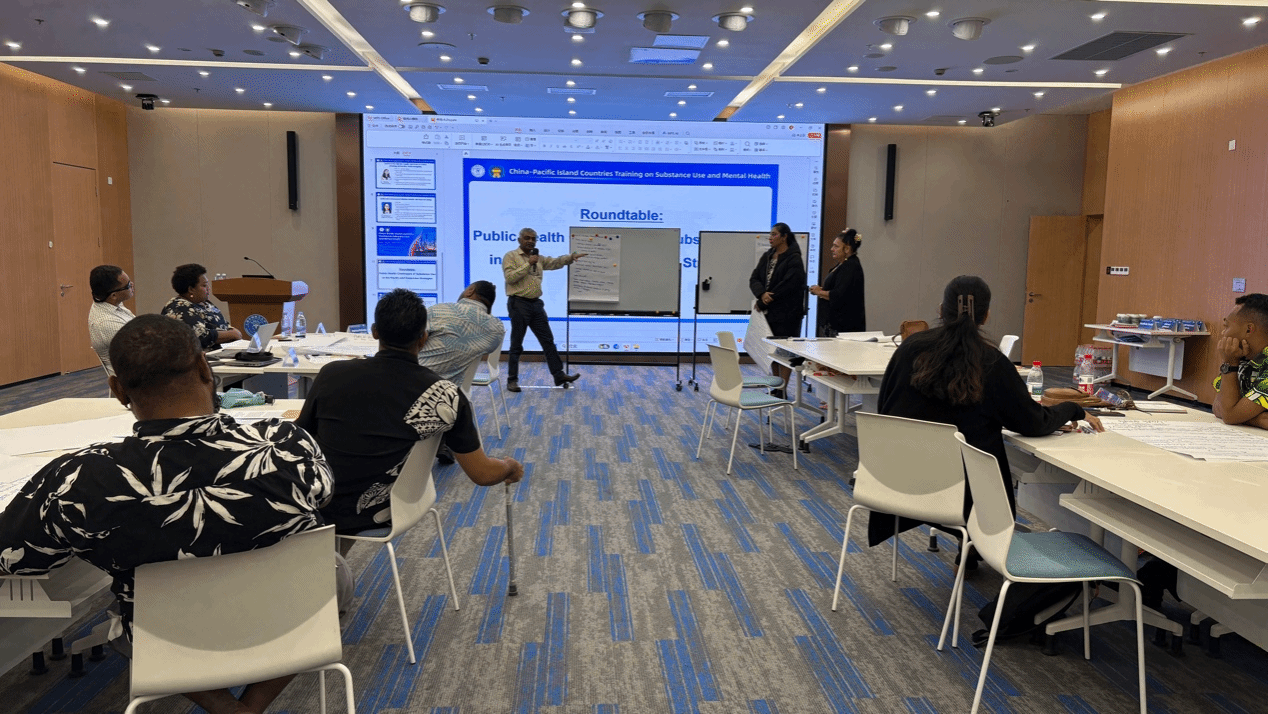
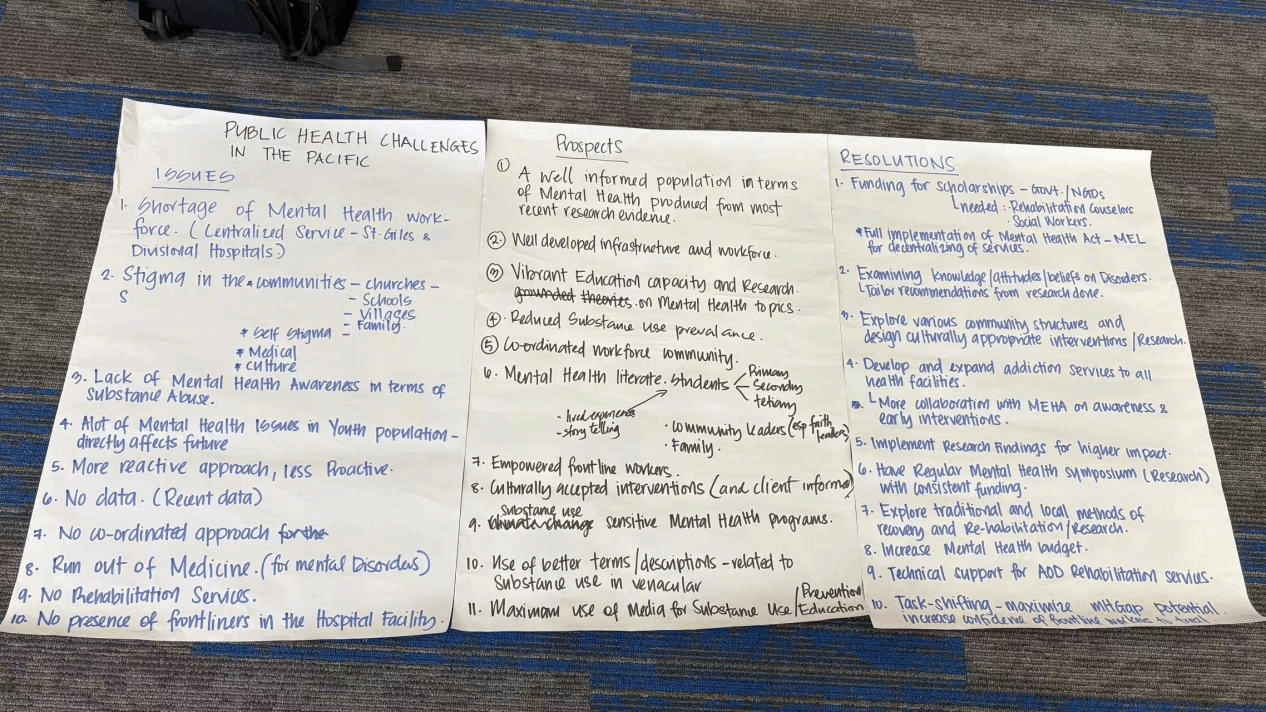
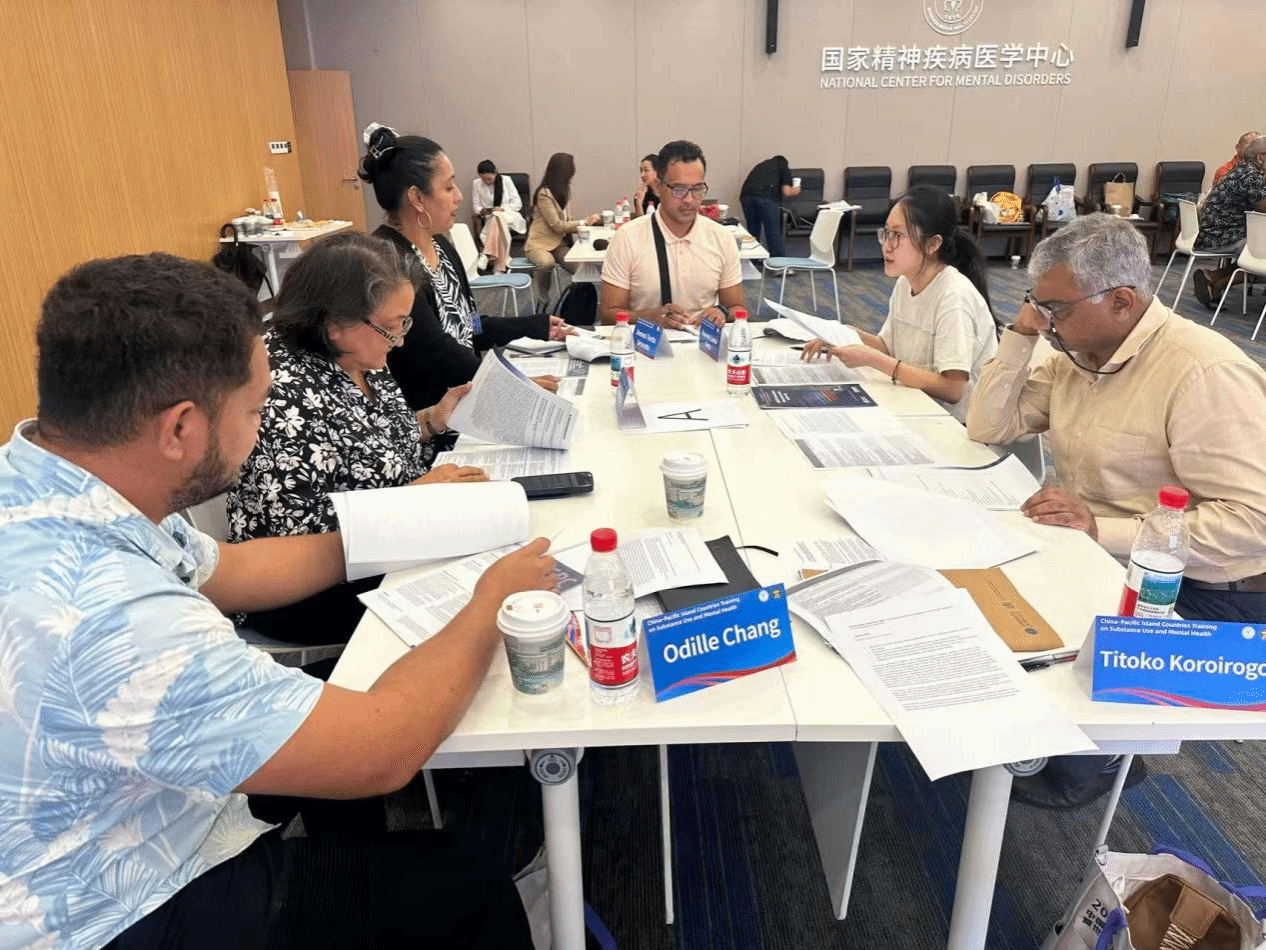
Professor Odille Chang from the College of Medicine, Nursing and Health Sciences at Fiji National University in Suva chaired a roundtable discussion on public health challenges and responses related to substance use in the Pacific region. Participants further identified several priority areas for future collaboration: supporting PICs in establishing foundational mental health data monitoring systems; expanding local workforce development through regional cooperation models, such as FNU’s training programs; exploring cross-country remote supervision and continuing education mechanisms to strengthen workforce retention; integrating mental health services into primary healthcare systems and community networks, avoiding the old path of heavy relying on institutions while neglecting community-based care.
Engaging with Communities: Experiencing China’s Grassroots Mental Health Services
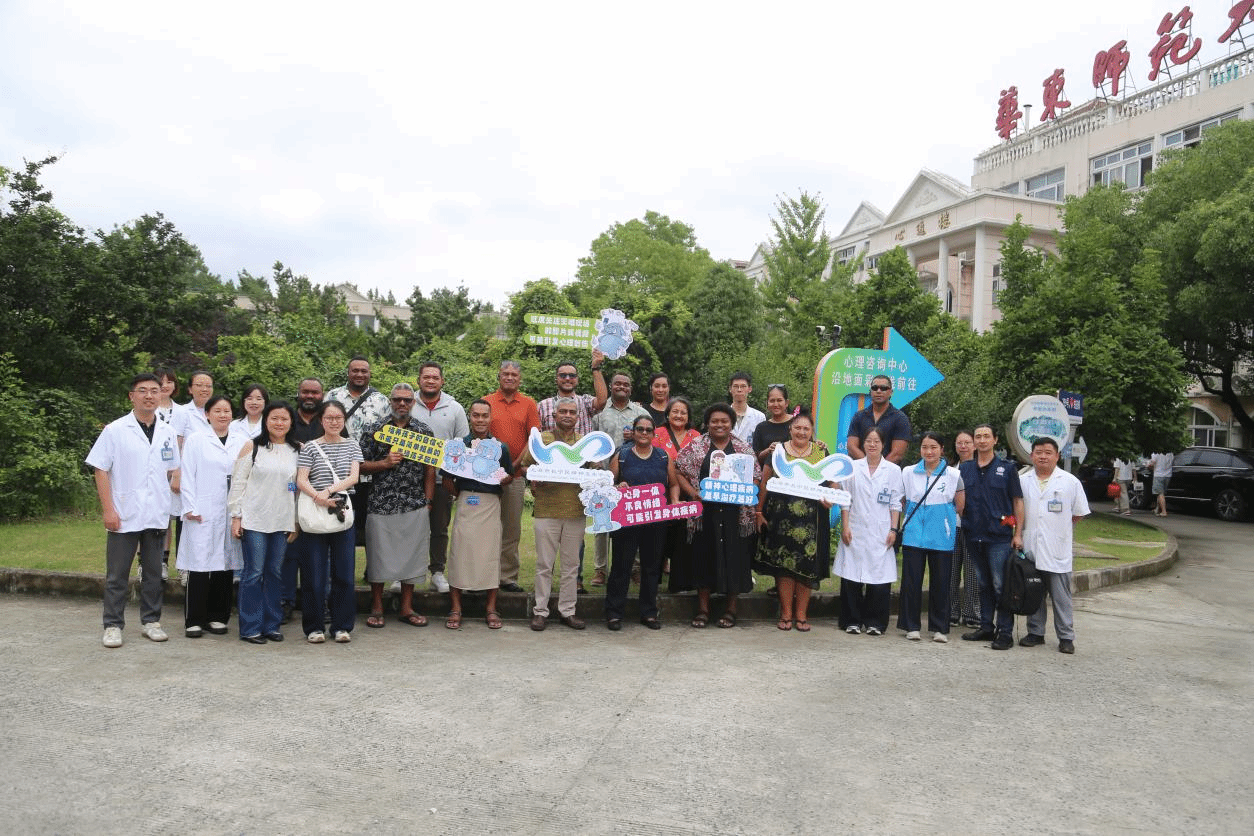
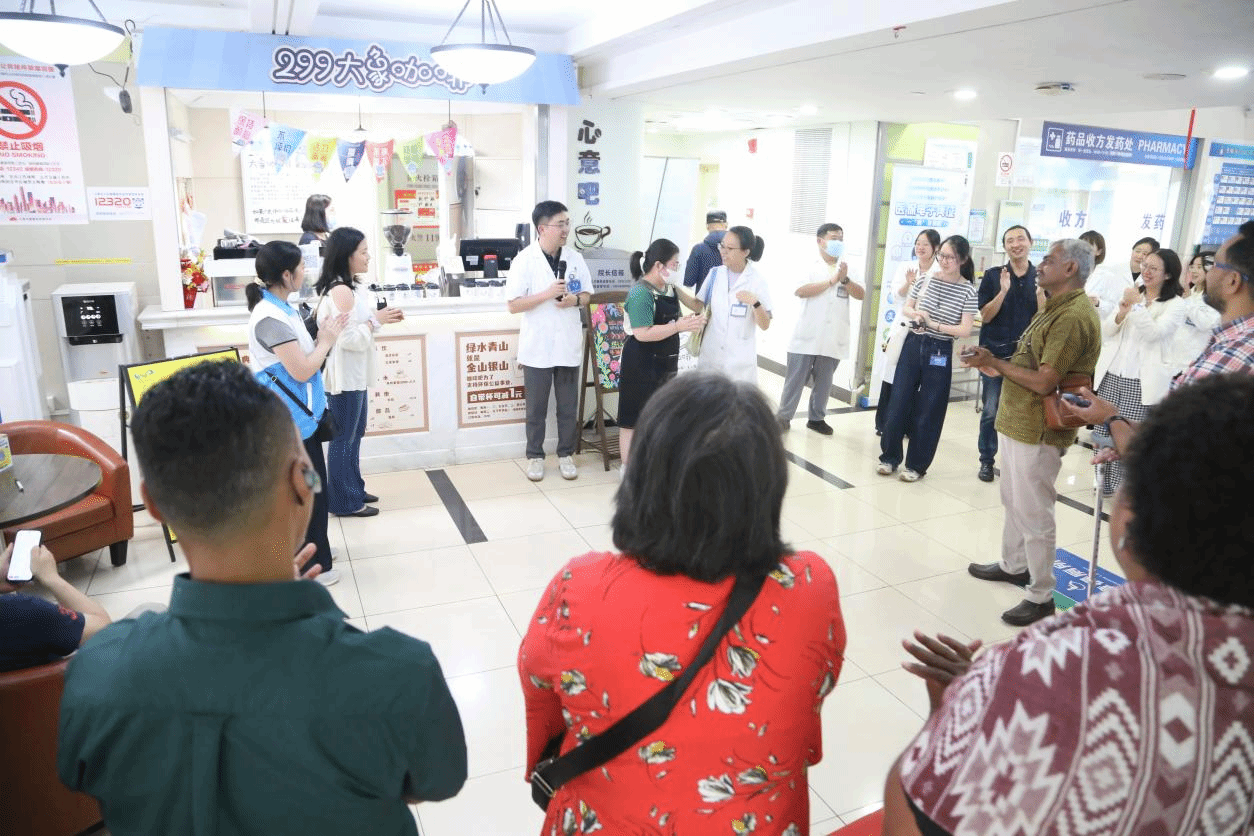
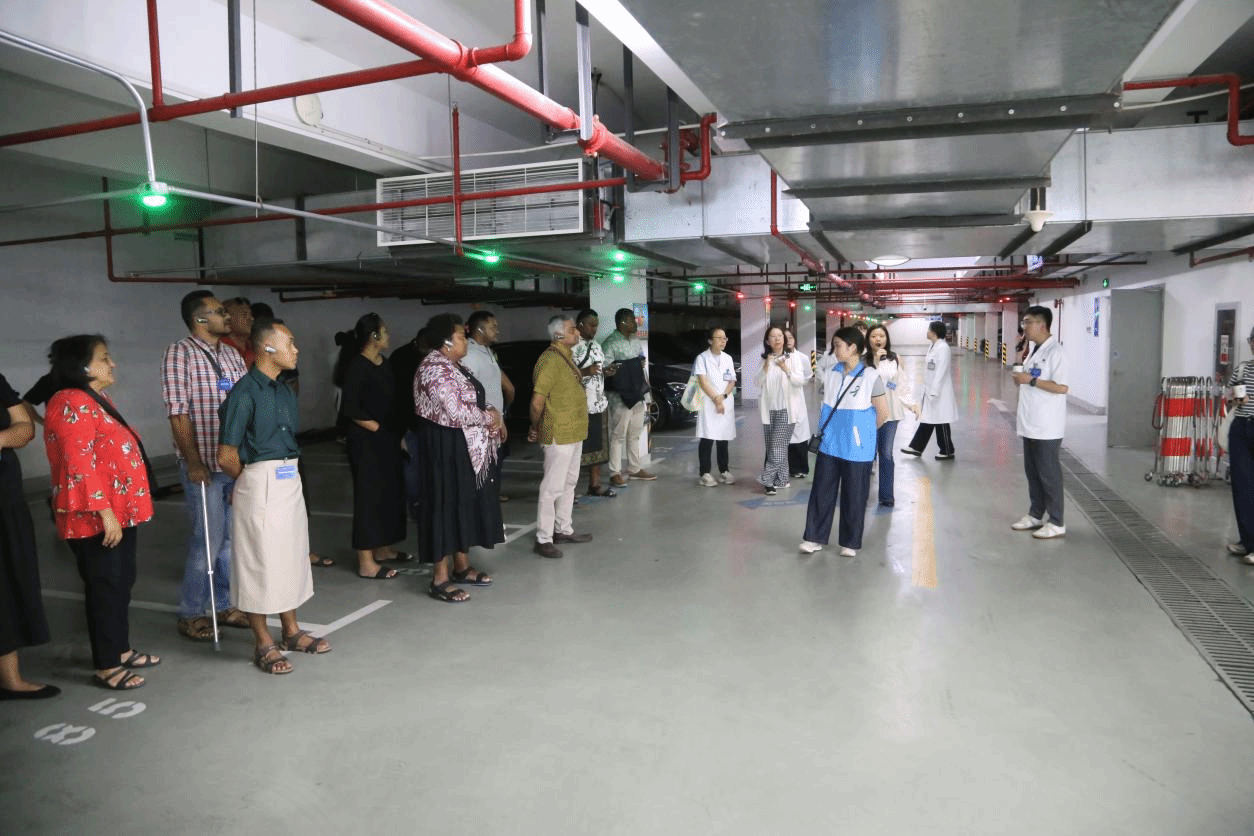
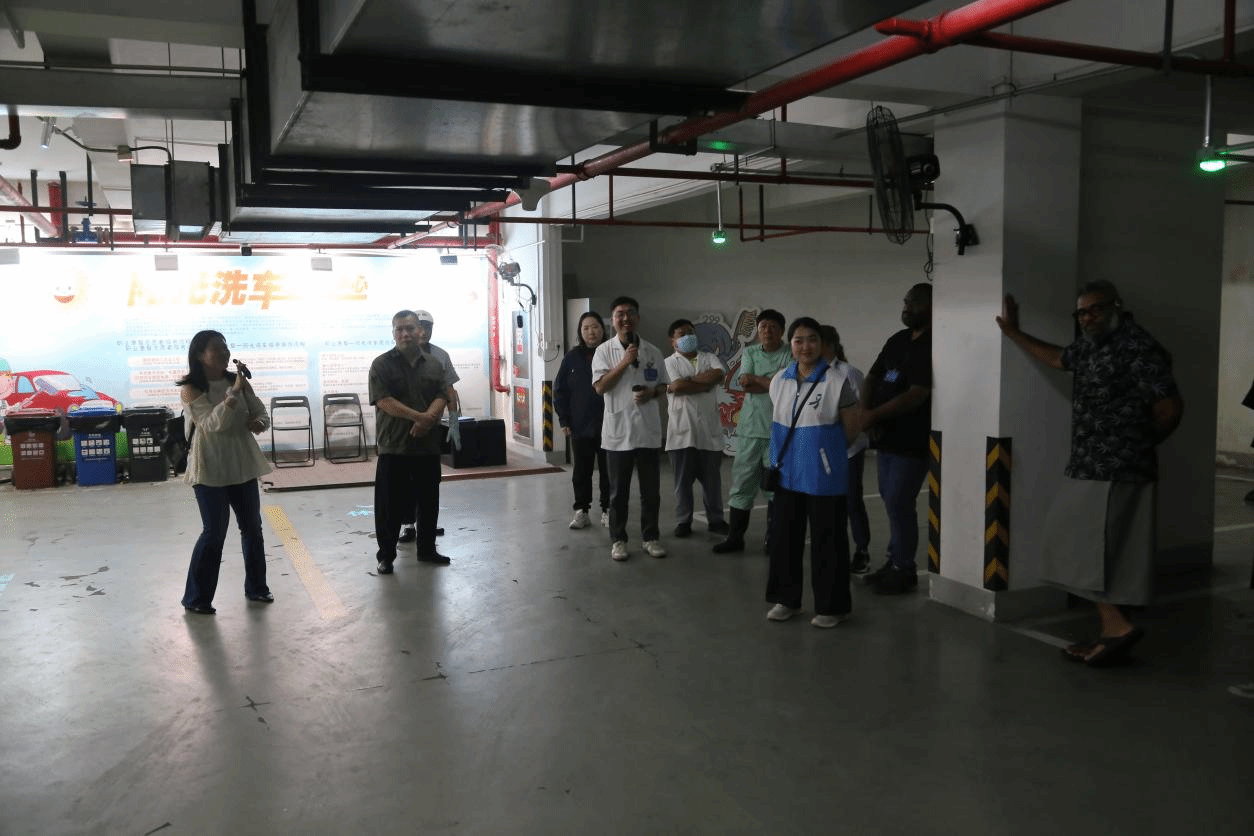
On the afternoon of June 25, with support from the Changning District Mental Health Center, participants visited Shanghai’s community mental health services to gain first-hand understanding of China’s hospital–community–family integrated care model. At a community rehabilitation station, Director Yan Sun from Changning District Mental Health Center introduced rehabilitation programs where service users participate in activities such as handicraft production and vocational skills training. These examples provided Pacific participants with a practical understanding of the implementation of community-based rehabilitation. Participants were also guided by Guanxi Liu, Party Secretary of the general residents’ committee of Lvba Residential Community, to visit the Habitat Garden, a community ecological garden close to residents’ homes, as well as the Shanghai Habitat Museum, the first biodiversity-themed museum located within a residential community in China. Therapist Yukuang Zhao led participants through an exceptionally unique spiritual exploration experience.

Module Two: Advances in Mental Health Technologies
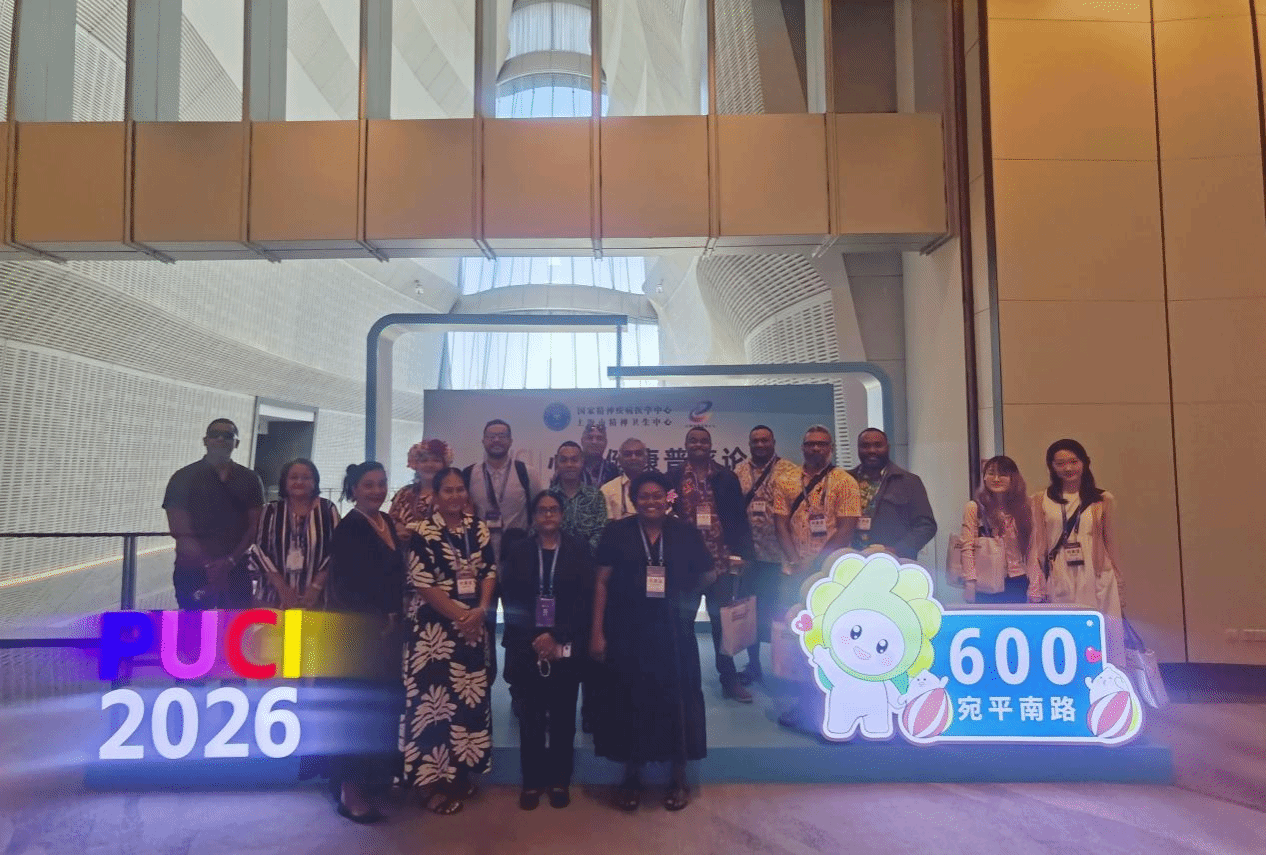
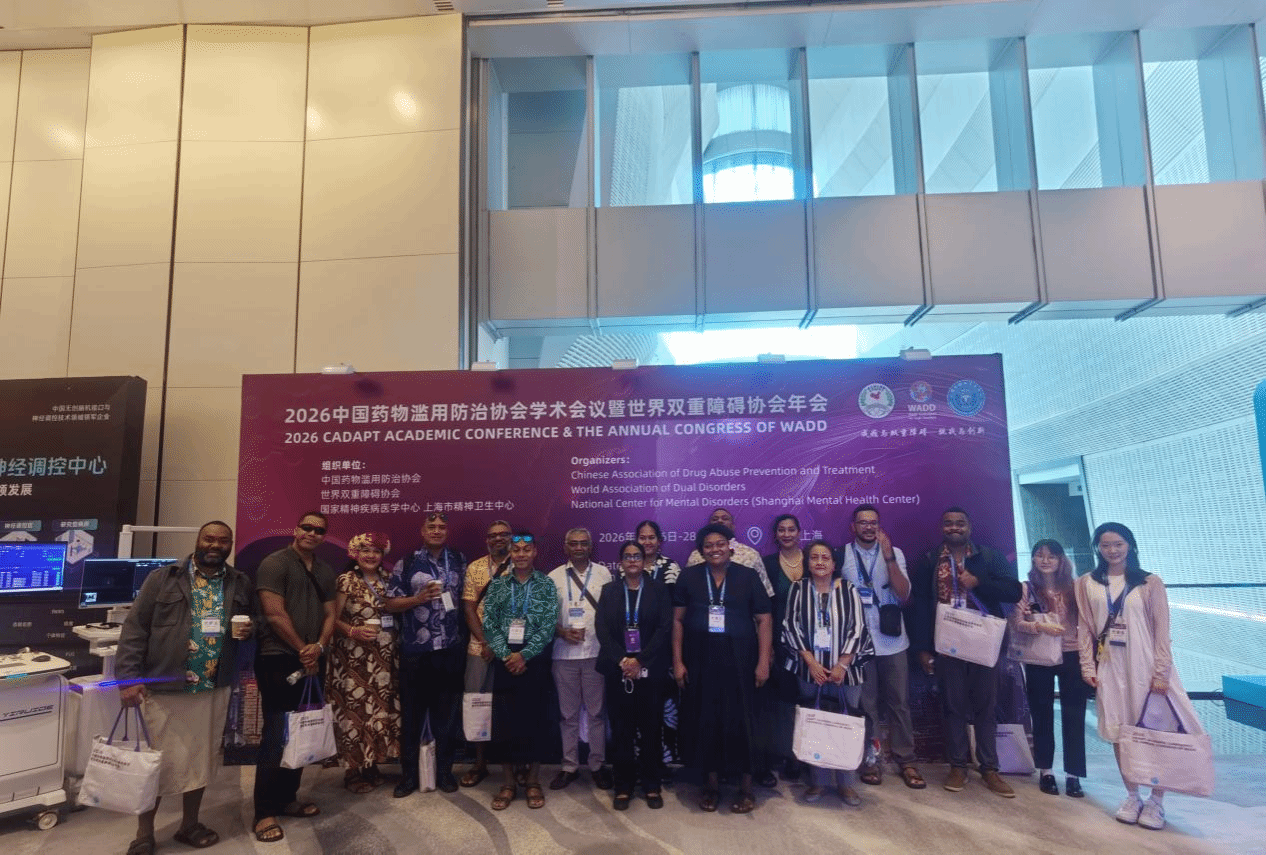
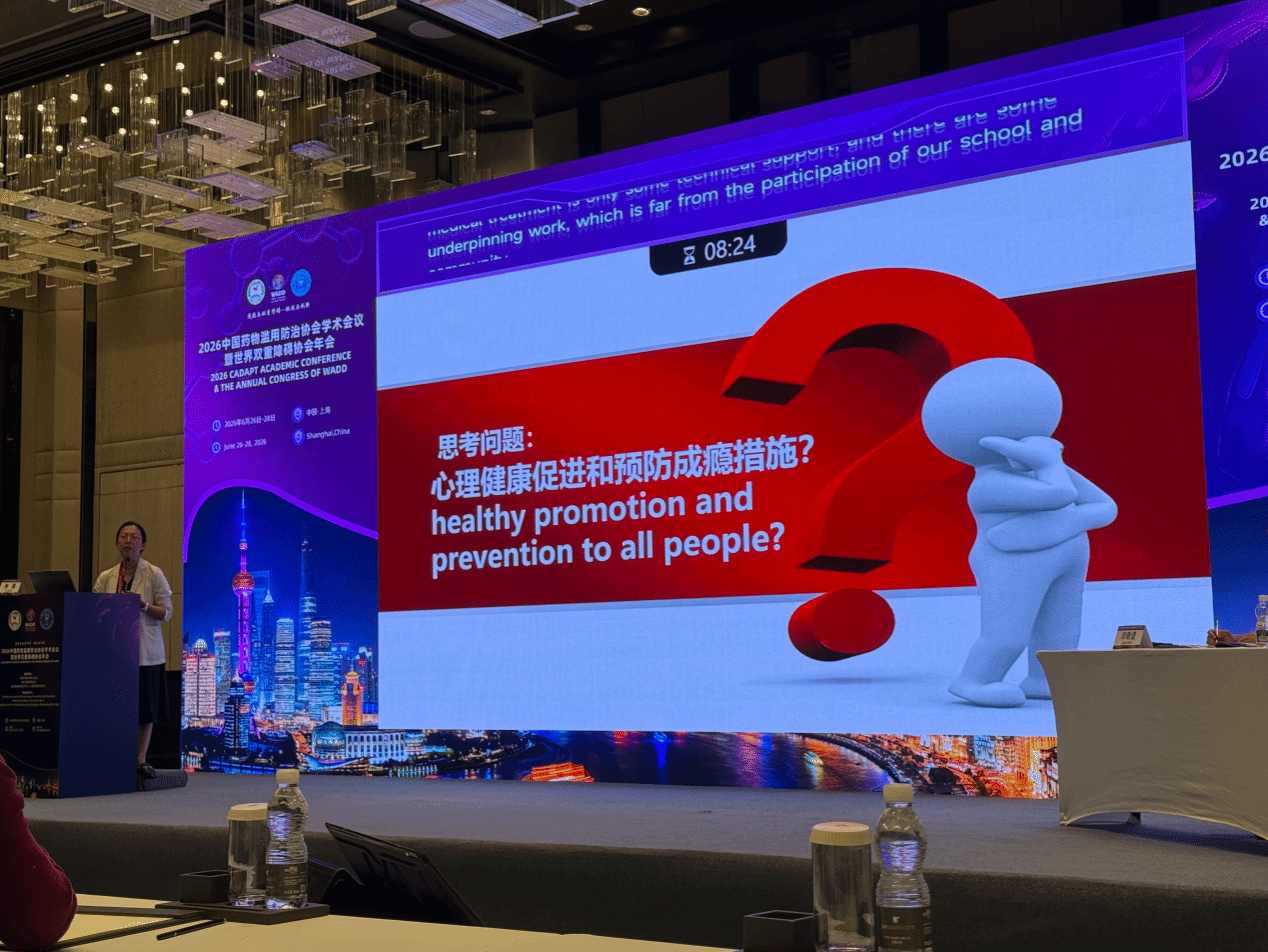
From June 26 to 28, participants attended the 2026 Puci Mental Health Forum and the 2026 Annual Conference of the Chinese Association for Drug Abuse Prevention and Treatment and the World Association on Dual Disorders Annual Conference, hosted by SMHC. Leading experts from China and abroad shared the latest developments in mental health and addiction research, focusing on cutting-edge topics including precision treatment across the full course of SUD, comorbid gambling disorder, neurobiological mechanisms underlying methamphetamine use disorder, and clinical applications of non-invasive brain stimulation technologies. Participants also attended a dedicated forum on Gaming Disorder, where national experts from multi-center research collaborations, including Yajuan Niu, Na Zhong, Rujing Zha, and colleagues, presented localized research achievements in areas such as the neural circuitry mechanisms of gaming disorder, early intervention strategies, cognitive training, transcranial magnetic stimulation treatment, and nationwide multi-school prevention programs. The conference’s parallel thematic forums and focused discussions provided participants with intervention approaches that could potentially be adapted to local contexts. Participants also engaged in exchanges with experts from China and other countries regarding challenges in addiction management and psychological services across the Pacific region, accumulating practical experience for future regional training initiatives and international collaboration.
Module Three: Training on Mental Health and Psychosocial Support Capacity
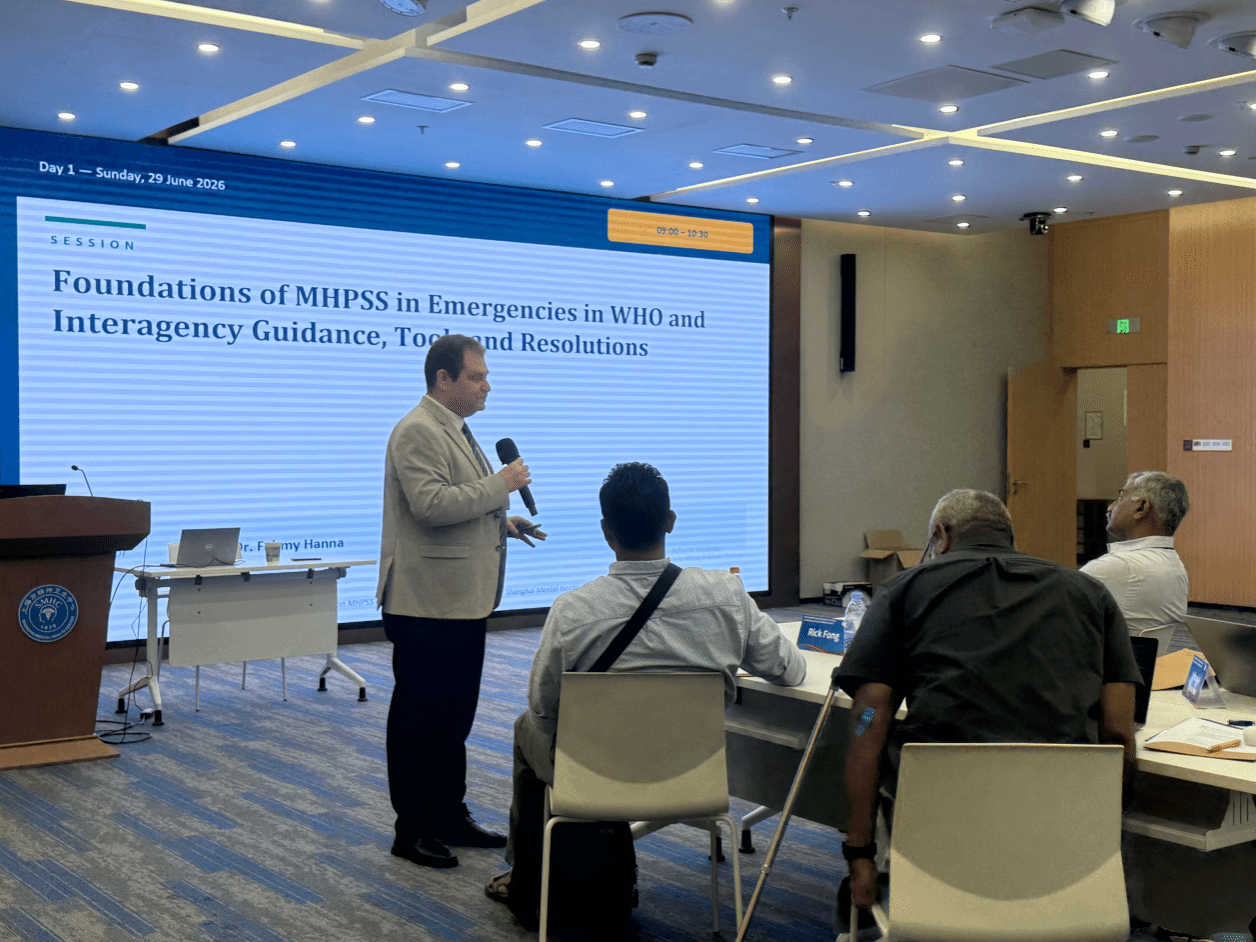
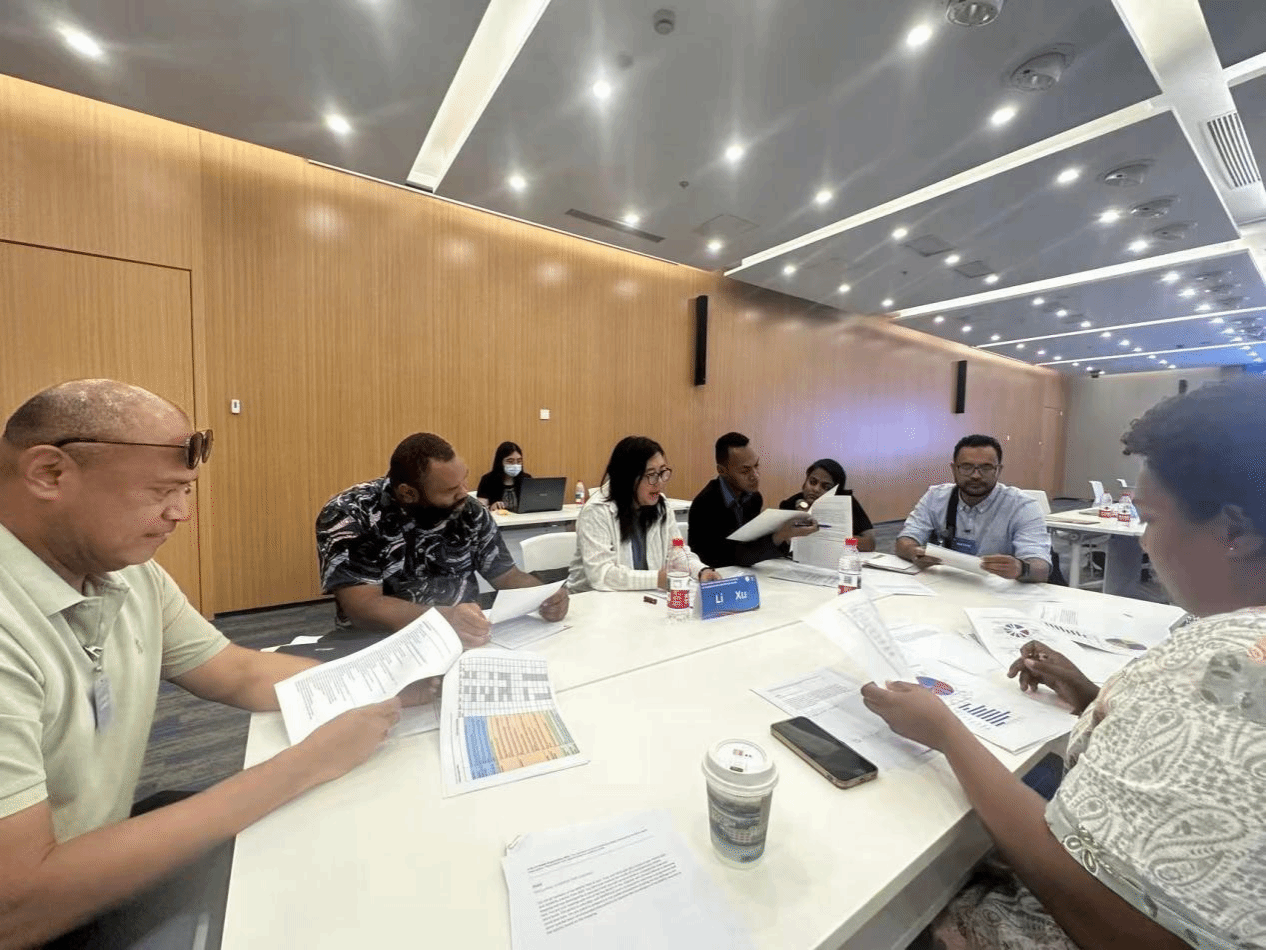
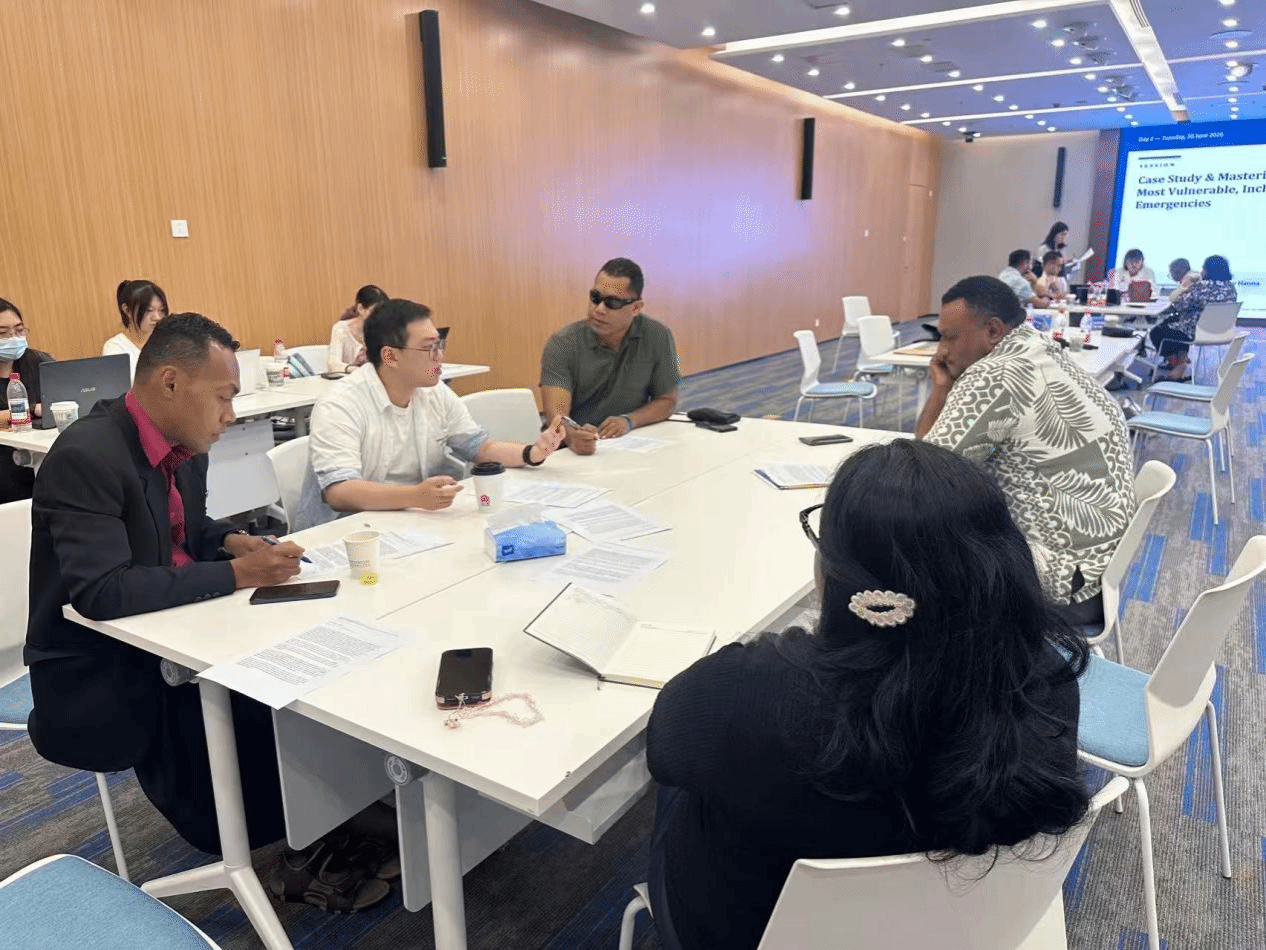
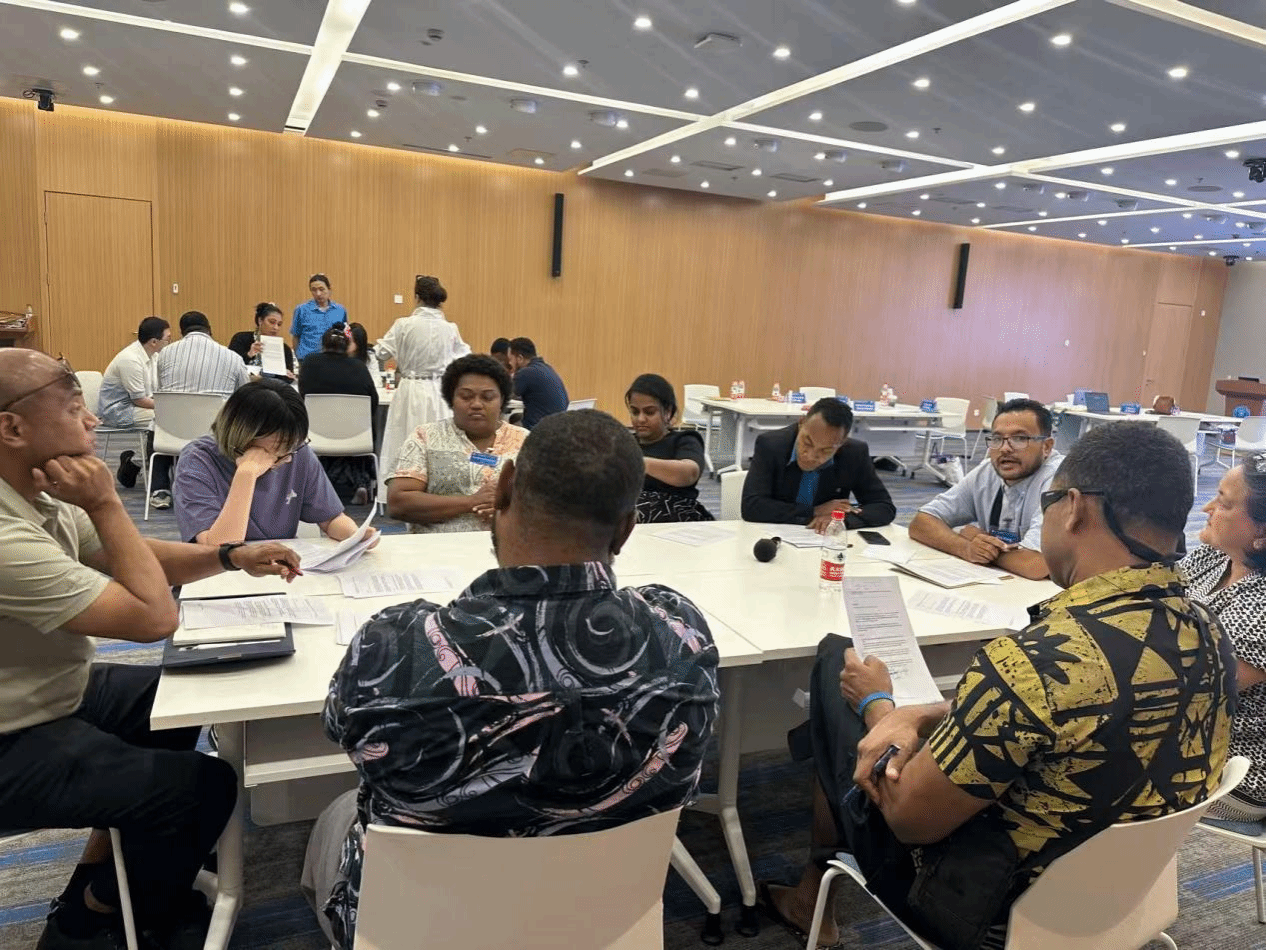
Dr. Fahmy Hanna, Technical Officer from WHO Headquarters, and Dr. Jasmine Vergara, Technical Officer from the WHO Western Pacific Regional Office, served as trainers for this module. Ms. Jin Jin, Director of the Psychological Hotline Service at SMHC, together with assistant trainers from SMHC including Xu Li, Haidi Shan, Yifan Xu, Shuyan Wu, and Yuchen Shi, provided practical training on the core knowledge and skills of Mental Health and Psychosocial Support (MHPSS) and Psychological First Aid (PFA). The training emphasized providing humane, practical, and non-intrusive support to individuals experiencing crises. Through case-based exercises involving humanitarian contexts such as South Sudan and Ethiopia, role plays, and knowledge-based activities, participants learned to recognize signs of severe stress reactions, to provide effective support using the PFA framework of “Prepare–Look–Listen–Link”; to respond to psychological needs during natural disasters and emergency situations.
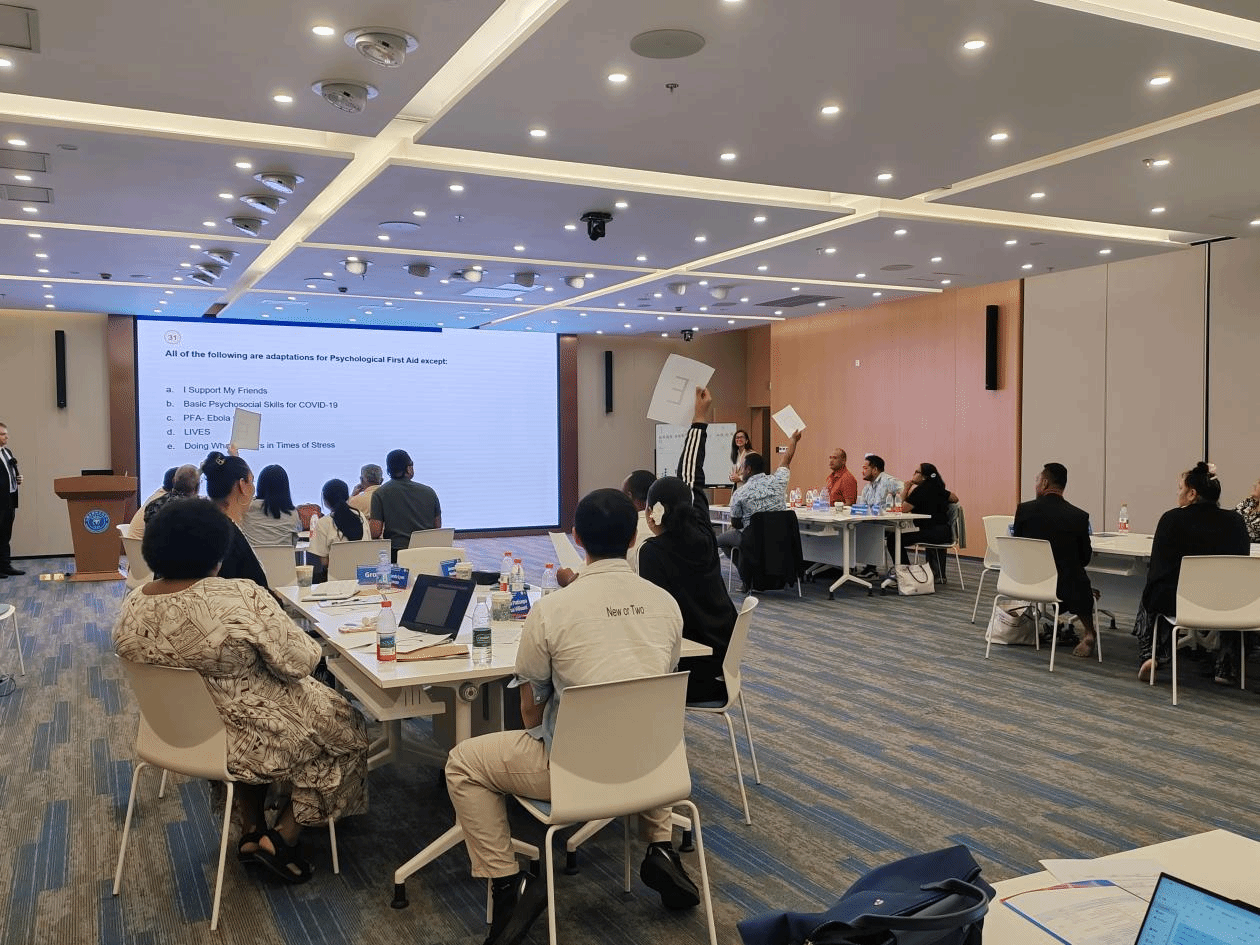
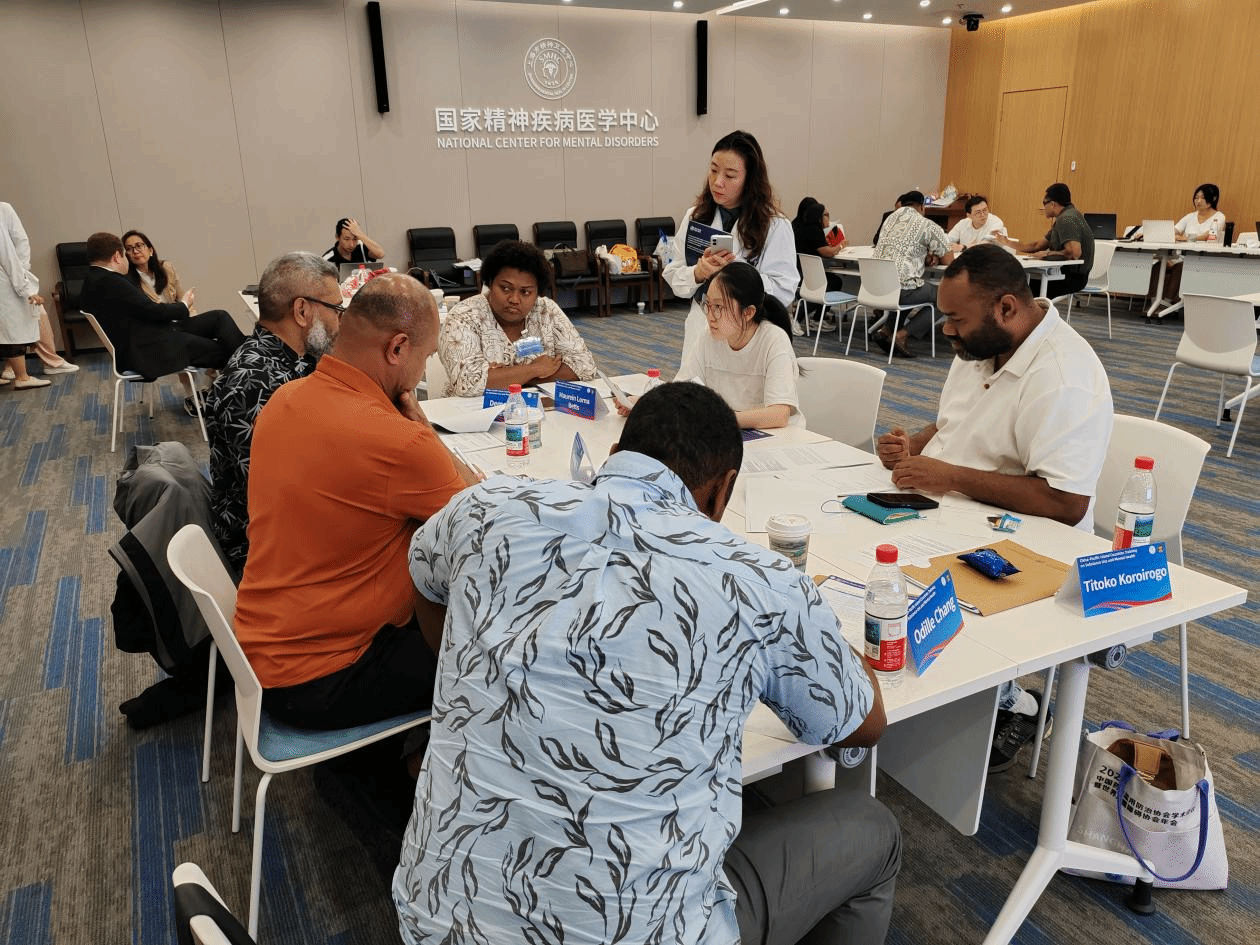
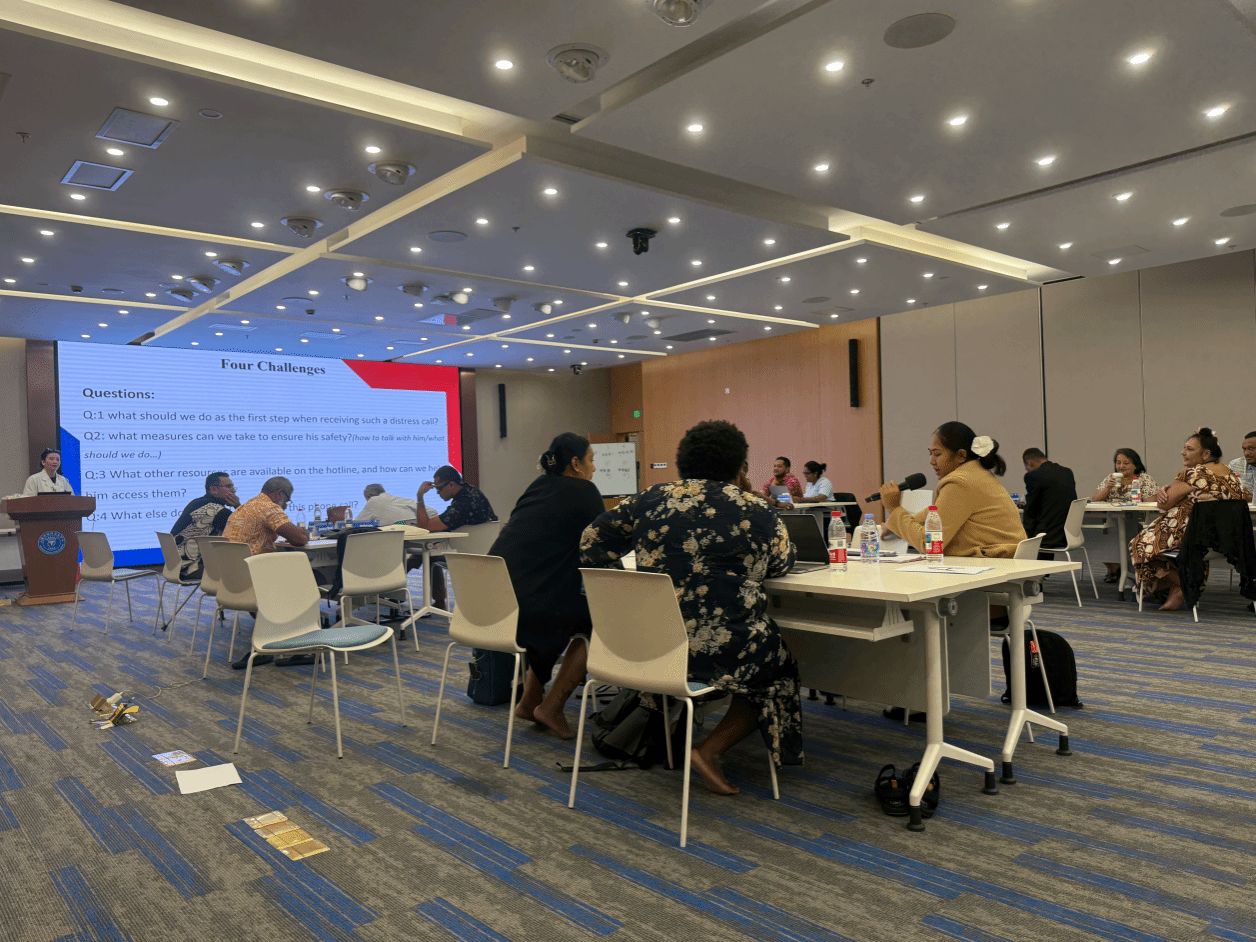
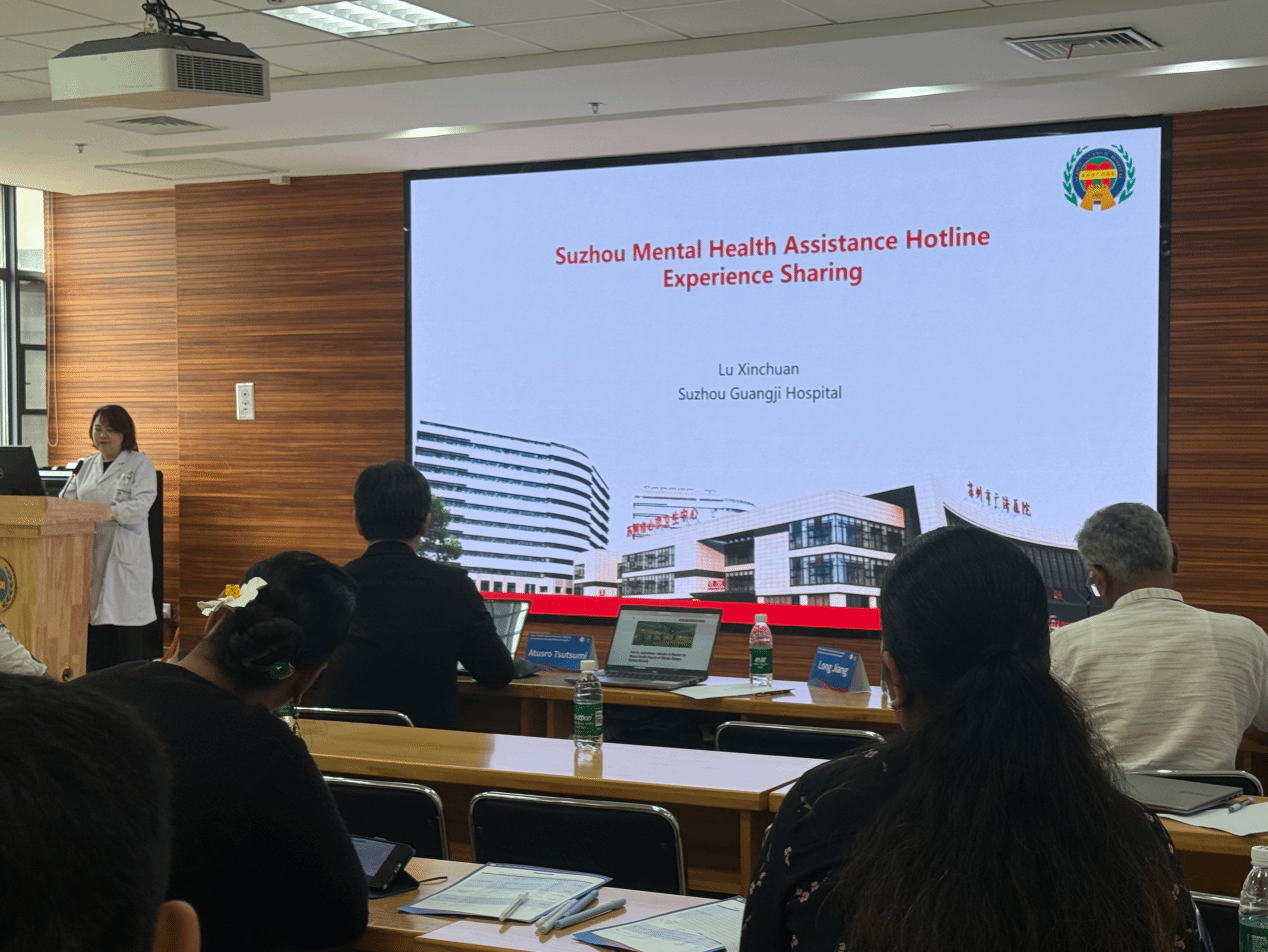
Director Jin Jin from SMHC shared Shanghai’s experience in operating psychological support hotlines. Following the integration and upgrade of Shanghai’s psychological hotline system into the national unified hotline 12356, the service has received more than 310,000 calls, established a three-stage follow-up system of “24 hours–3 days–1 week”, and incorporated PFA principles into crisis call management through case-based practice. Director Xinchuan Lu from Suzhou shared the experience of Suzhou Guangji Hospital’s psychological hotline services. The city-wide coordinated dispatch system of “1+4+5” and its big-data analysis platform demonstrated the potential role of hotlines in psychological monitoring and early warning systems. In addition, Medhin Selamu from the WHO Ethiopia Country Office shared experiences of applying task-shifting approaches to train non-specialists in complex humanitarian emergencies. Yanika Valeeittikul from the Department of Mental Health, Ministry of Public Health of Thailand, introduced Thailand’s mental health emergency response system. Jimmy Obbed, a participant from the Ministry of Health of Vanuatu, shared experiences in applying MHPSS approaches to address mental health needs following earthquakes. These exchanges promoted the improvement of psychological first aid capabilities in the Pacific.

Module Four: Standardized Substance Use Disorder Treatment and HIV Prevention and Control
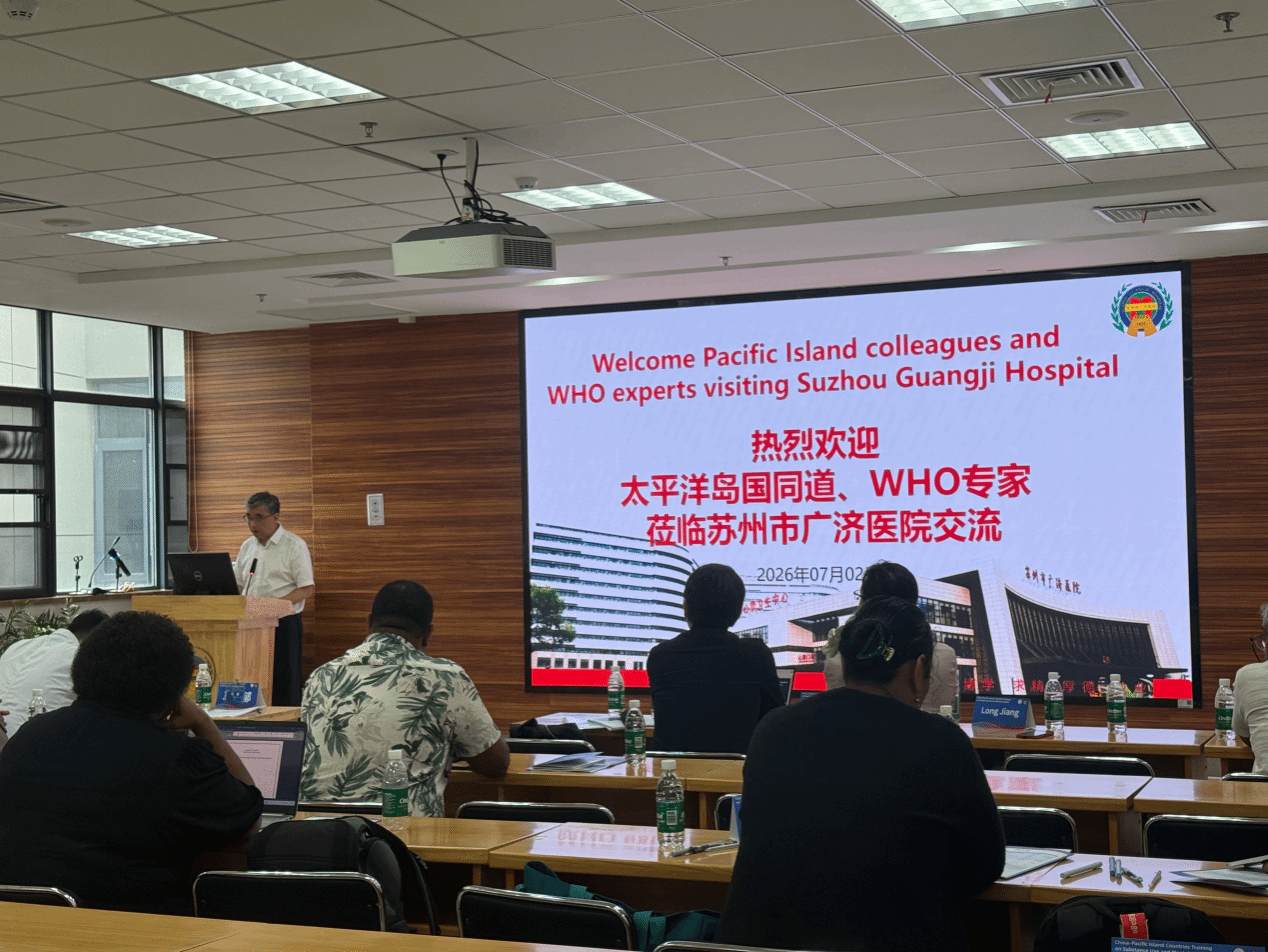
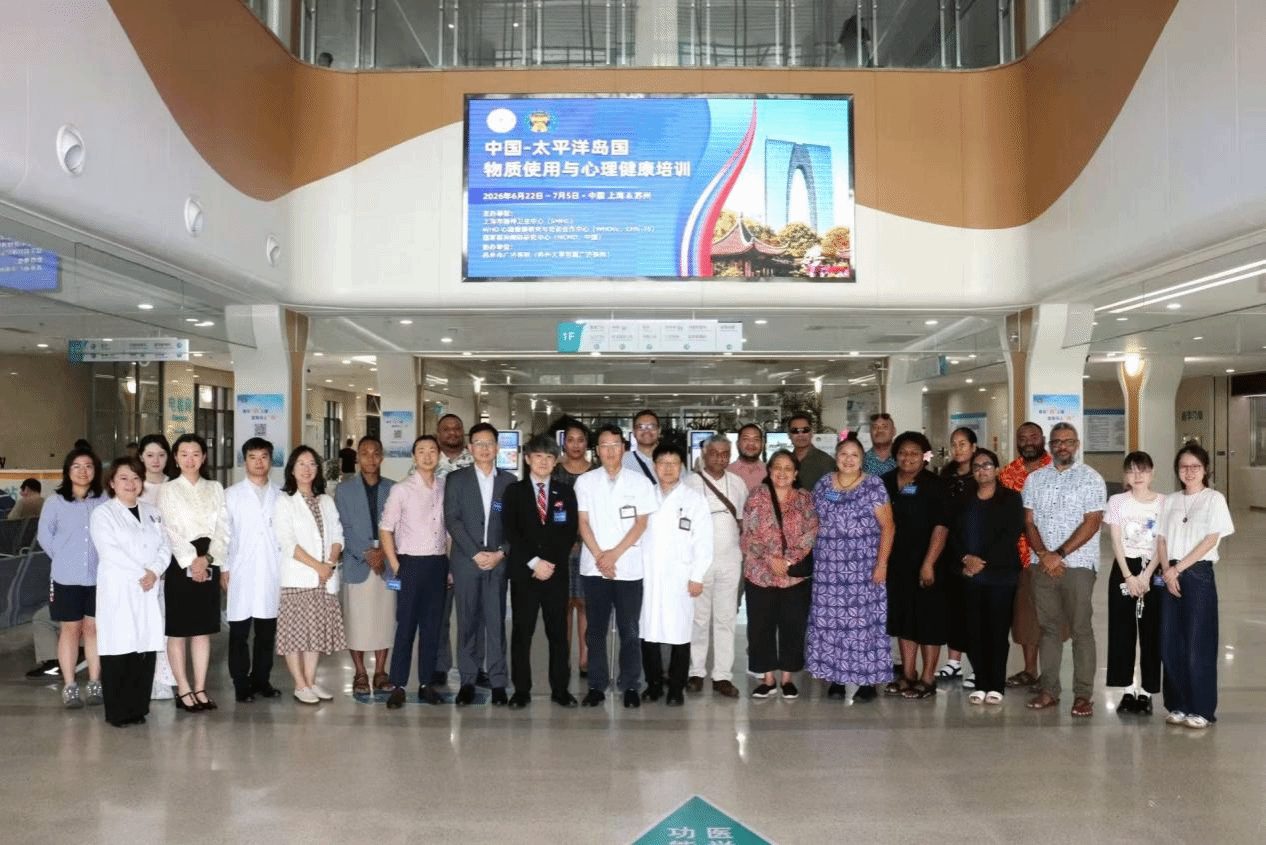
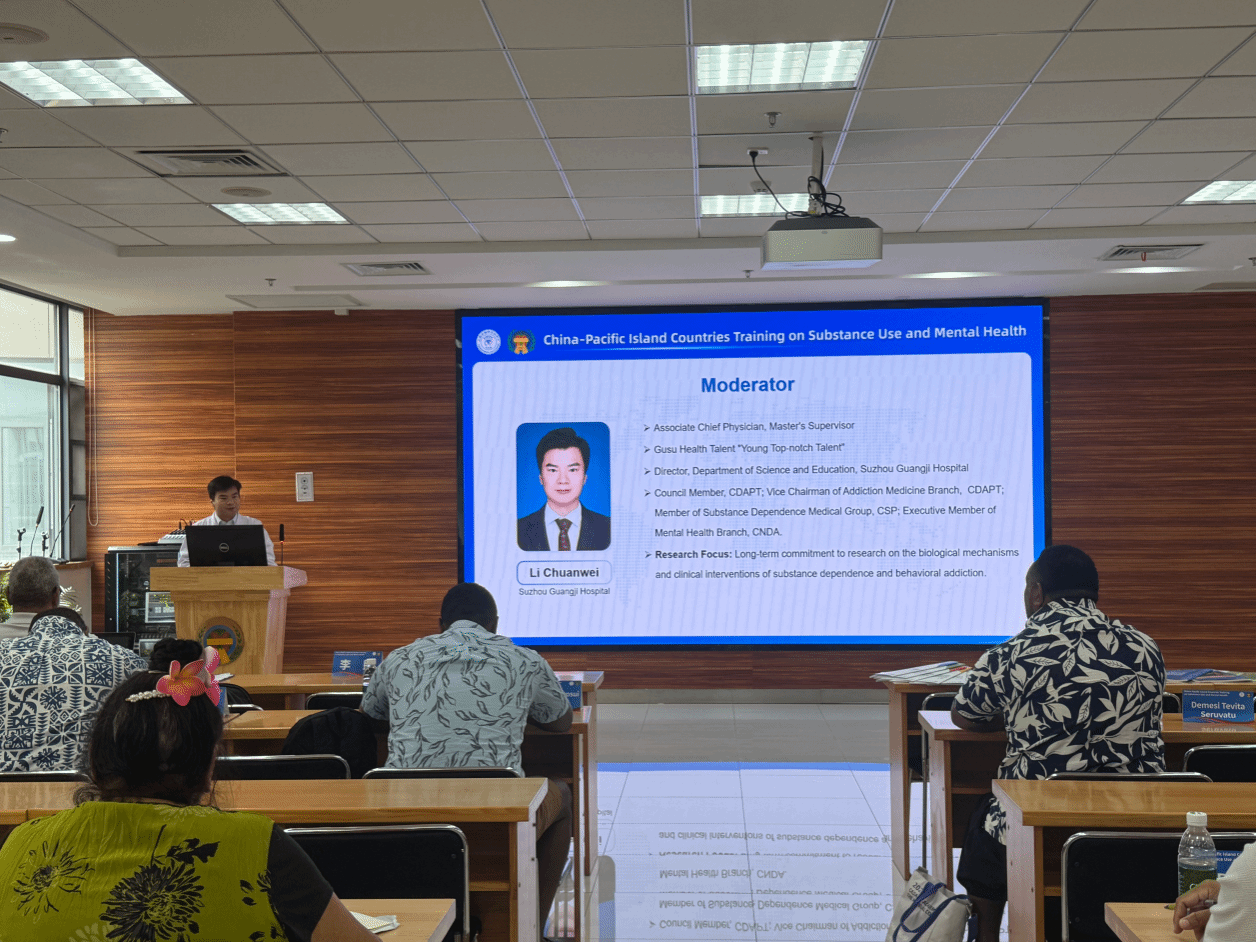
From July 1 to July 5, PICs participants travelled to Suzhou Guangji Hospital, a co-organizing institution of the programme, to participate in the fourth module focusing on standardized SUD treatment and HIV prevention and control. President Yu Ma of Suzhou Guangji Hospital introduced experiences in mental health service development in Suzhou. The opening ceremony of this module was attended by representatives including Dr. Atusro Tsutsumi and Dr. Jiang Long from WHO, Dr. Zin Ko Ko Lynn from UNODC, and Vice Presidents Xiangdong Du and Xiaobin Zhang from Suzhou Guangji Hospital.
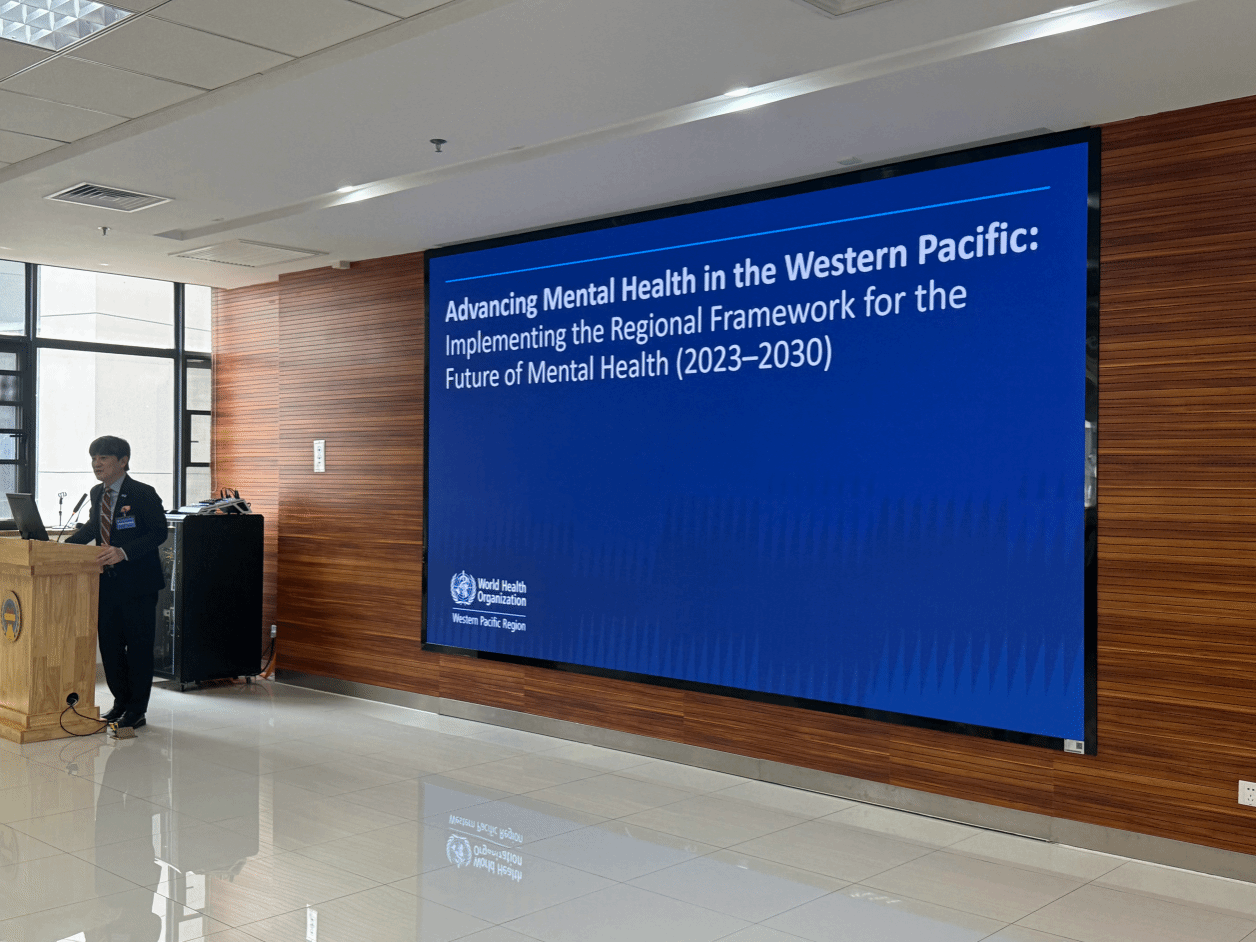
Dr. Atusro Tsutsumi from WHO introduced experiences in advancing high-quality public mental health development in the Western Pacific Region. Dr. Long Jiang provided an overview of the ICD-11 diagnostic guidelines for substance use and addictive disorders, while Asli Ertem introduced WHO’s evidence-based toolkits for the prevention, treatment, and care of SUDs. These WHO resources provided both strategic frameworks and practical tools to support Pacific Island countries in developing evidence-informed substance use services. Director Haifeng Jiang from SMHC introduced the evolution of China’s addiction treatment model. Dr. Sheetal Singh, Executive Director of St Giles Hospital in Fiji, presented the clinical mental health service system in Fiji. Both sides engaged in an in-depth discussion on “Introducing and Developing Substance Use Disorder Prevention and Treatment Technologies in the Pacific Region.”
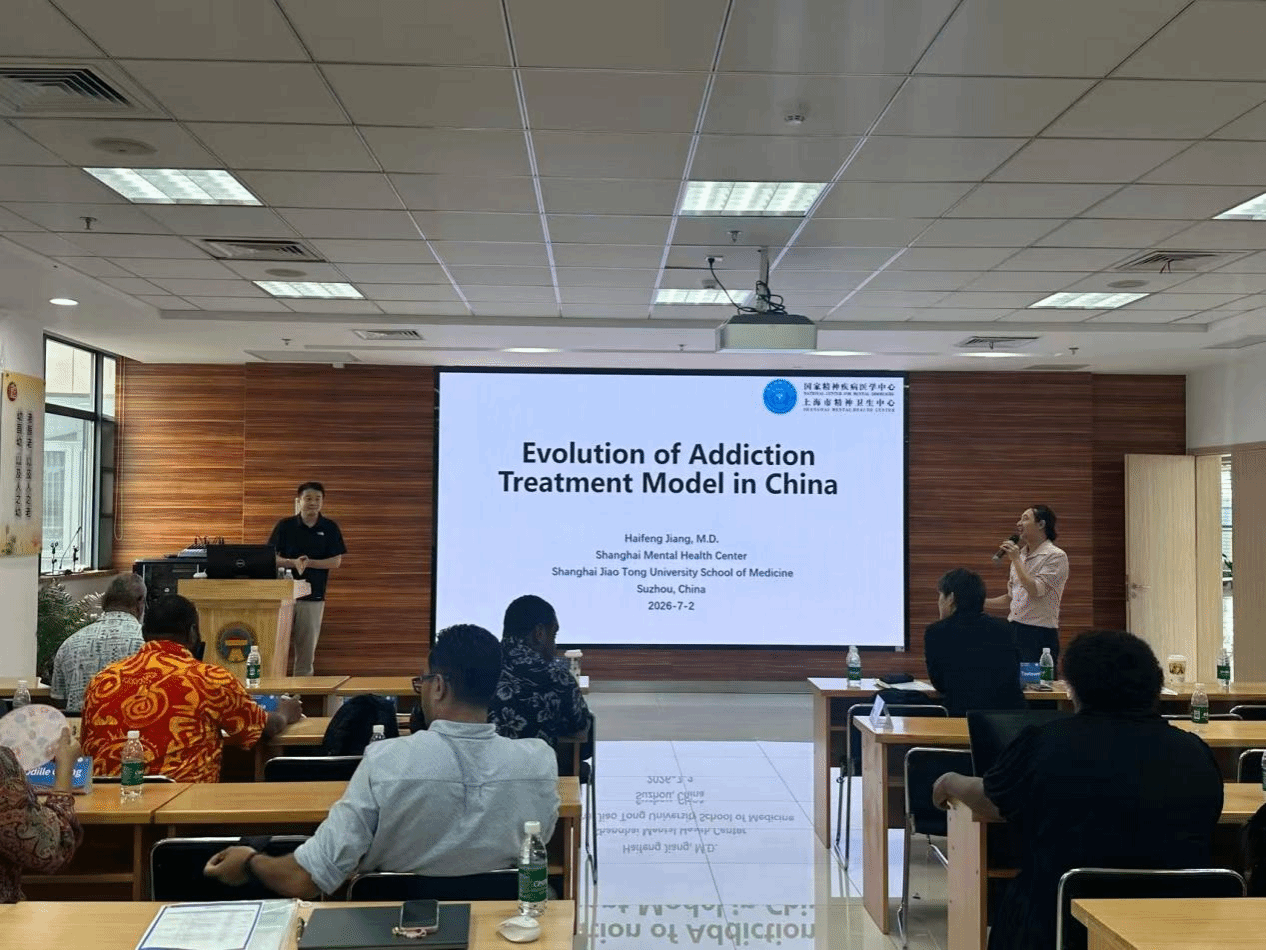
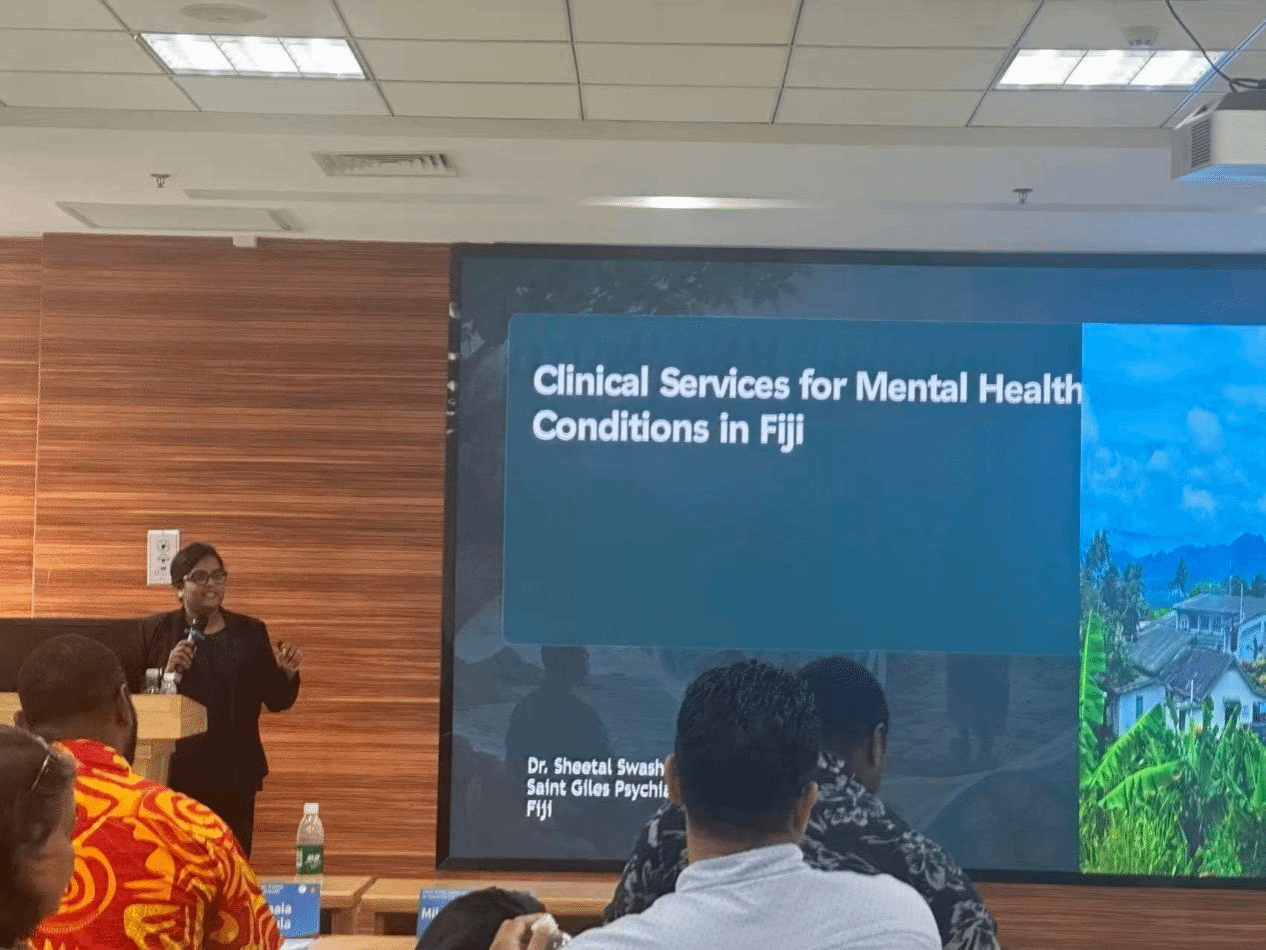
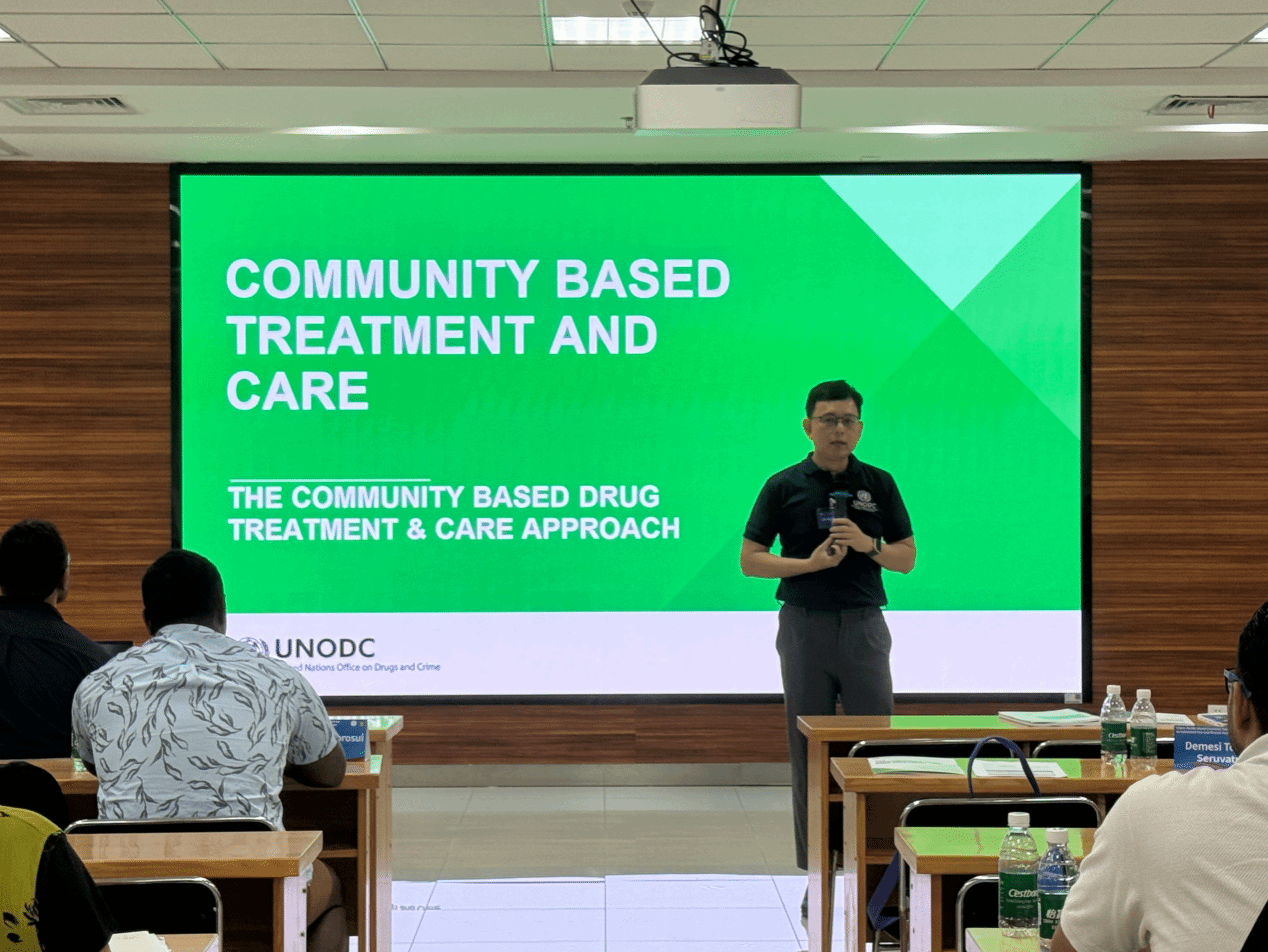
Focusing on the relationship between substance use and infectious disease prevention, Dr. Zin Ko Ko Lynn from UNODC provided training on the Technical Guide for HIV Prevention, Treatment, Care and Support among People Who Use Stimulants. Dr. Tiara Nisa from WHO shared information regarding substance use and HIV-related challenges in the Pacific region. She highlighted that approximately 14.8 million people globally inject drugs, among whom 17.8% are living with HIV and 52.3% are affected by hepatitis C. In the Asia-Pacific region, only around 5% of people with SUDs receive the treatment they need. The situation in Pacific Island countries presents additional challenges. In Fiji, 42.6% of newly reported HIV cases in 2025 were associated with injecting drug use, while the risk of cross-border transmission of infectious diseases remains an important concern.
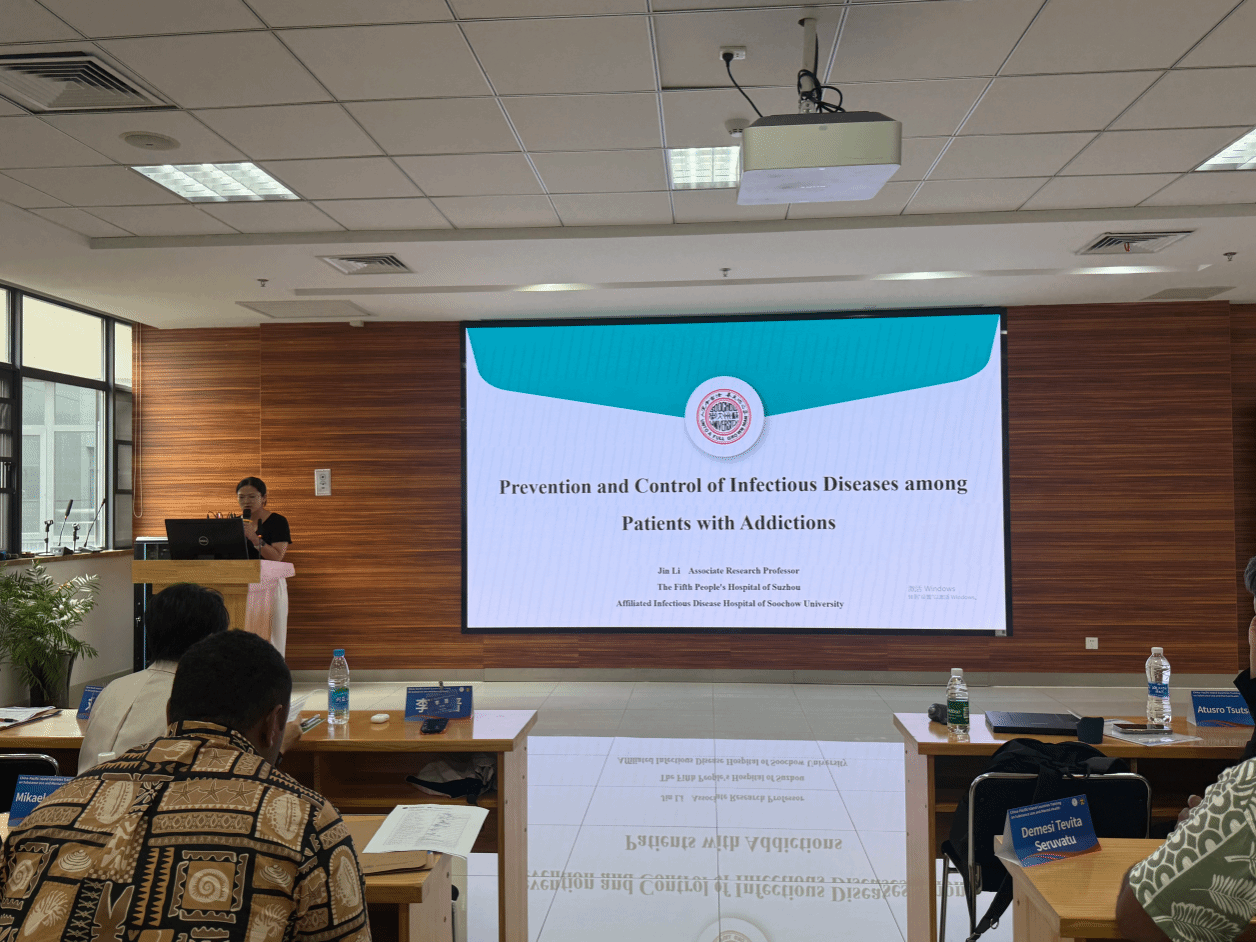
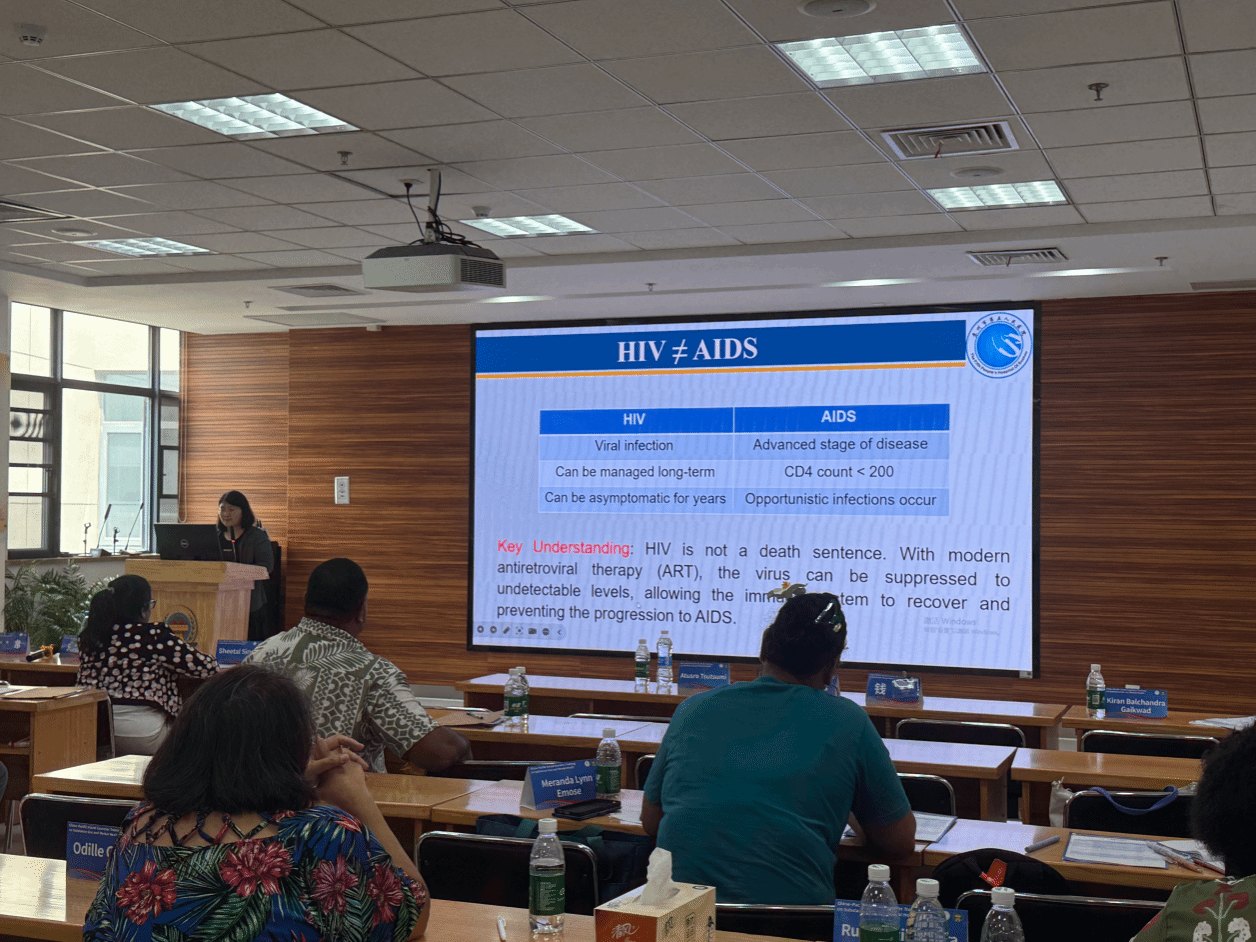
Experts from Suzhou Fifth People’s Hospital, including Li Zhu, Jin Li, Feng Qian, and Jin Liu, introduced strategies for preventing and managing HIV, hepatitis, and other infectious diseases among people with substance use disorders. They emphasized the importance of the principle of “treatment as prevention” and integrated service delivery models. Key prevention strategies discussed included needle and syringe programs, opioid substitution therapy, regular screening, vaccination, and comprehensive harm reduction interventions. The session also introduced innovative service models, including one-stop services, outreach services, task shifting, and peer education. During discussions on SUDs and HIV prevention, Chinese experts shared systematic approaches developed through national practice. In China’s drug control efforts, border management plays an important role in prevention, while coordinated governance among public security, justice, health, and civil affairs sectors creates a comprehensive response framework. This “whole-of-government and whole-of-society” approach provides a valuable reference framework for Pacific Island countries addressing the interconnected challenges of substance use and infectious diseases.
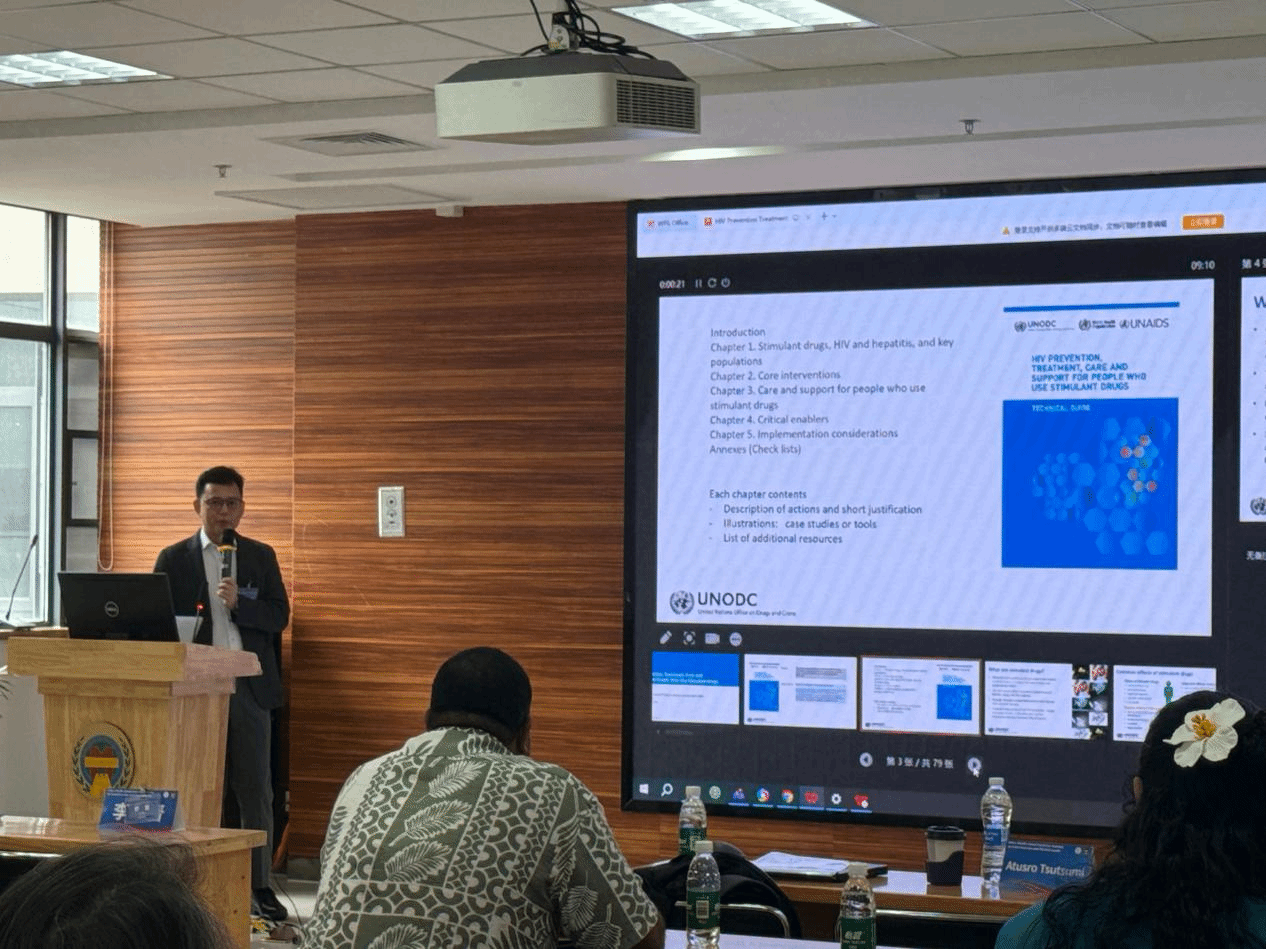
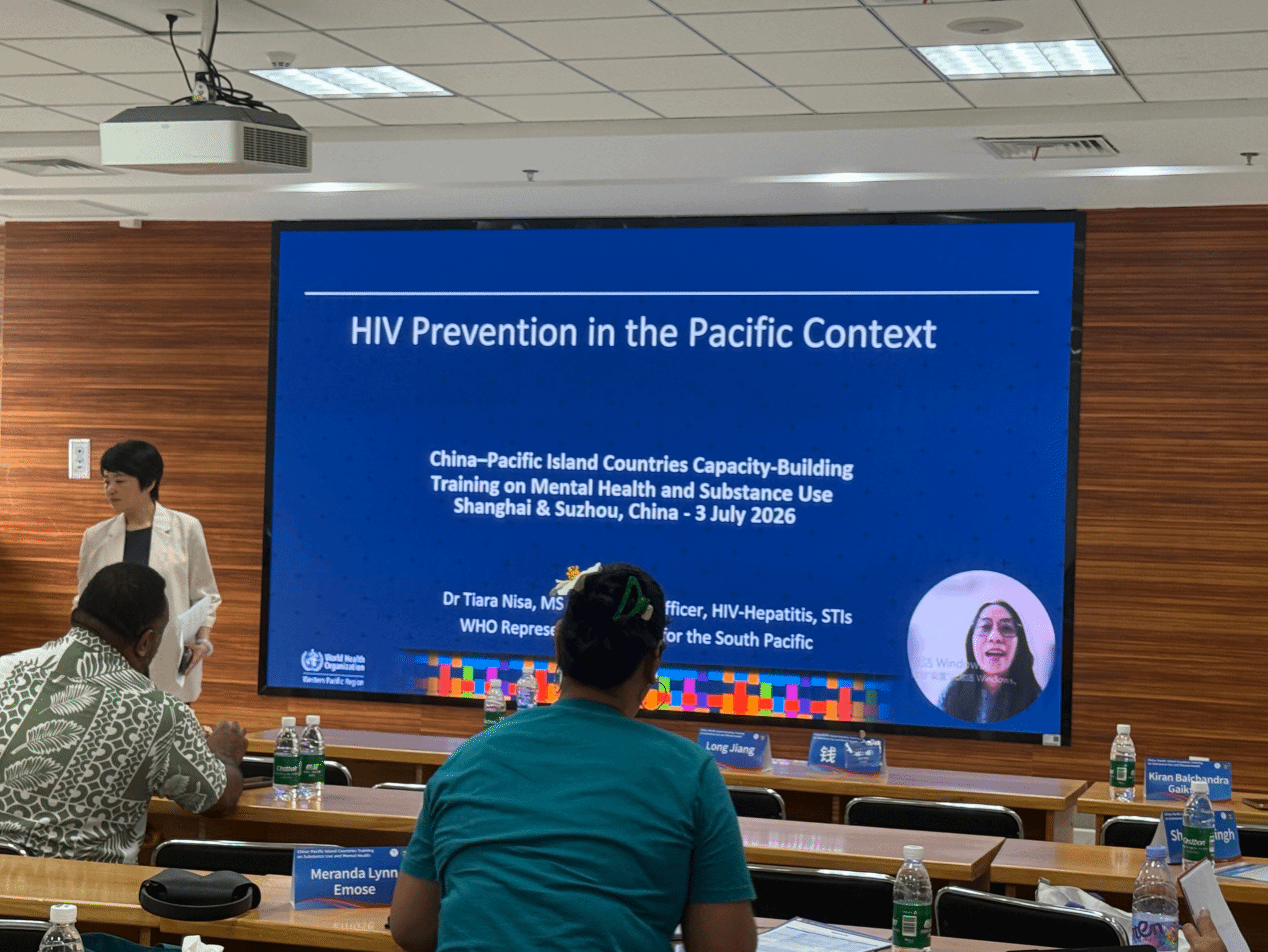
Focusing on the relationship between substance use and infectious disease prevention, Dr. Zin Ko Ko Lynn from UNODC provided training on the Technical Guide for HIV Prevention, Treatment, Care and Support among People Who Use Stimulants. Dr. Tiara Nisa from WHO shared information regarding substance use and HIV-related challenges in the Pacific region. She highlighted that approximately 14.8 million people globally inject drugs, among whom 17.8% are living with HIV and 52.3% are affected by hepatitis C. In the Asia-Pacific region, only around 5% of people with SUDs receive the treatment they need. The situation in Pacific Island countries presents additional challenges. In Fiji, 42.6% of newly reported HIV cases in 2025 were associated with injecting drug use, while the risk of cross-border transmission of infectious diseases remains an important concern.
Experts from Suzhou Fifth People’s Hospital, including Li Zhu, Jin Li, Feng Qian, and Jin Liu, introduced strategies for preventing and managing HIV, hepatitis, and other infectious diseases among people with substance use disorders. They emphasized the importance of the principle of “treatment as prevention” and integrated service delivery models. Key prevention strategies discussed included needle and syringe programs, opioid substitution therapy, regular screening, vaccination, and comprehensive harm reduction interventions. The session also introduced innovative service models, including one-stop services, outreach services, task shifting, and peer education. During discussions on SUDs and HIV prevention, Chinese experts shared systematic approaches developed through national practice. In China’s drug control efforts, border management plays an important role in prevention, while coordinated governance among public security, justice, health, and civil affairs sectors creates a comprehensive response framework. This “whole-of-government and whole-of-society” approach provides a valuable reference framework for Pacific Island countries addressing the interconnected challenges of substance use and infectious diseases.
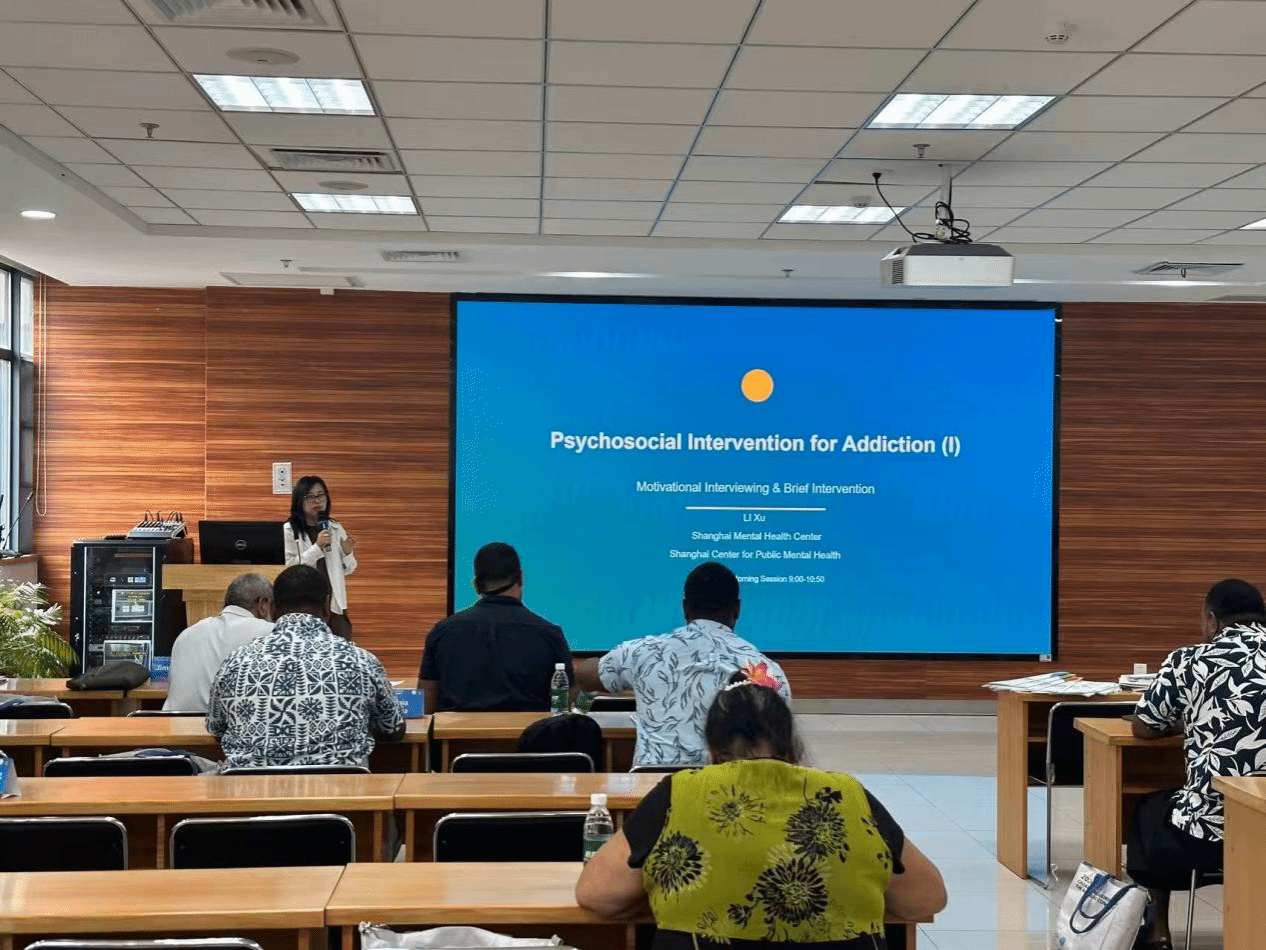
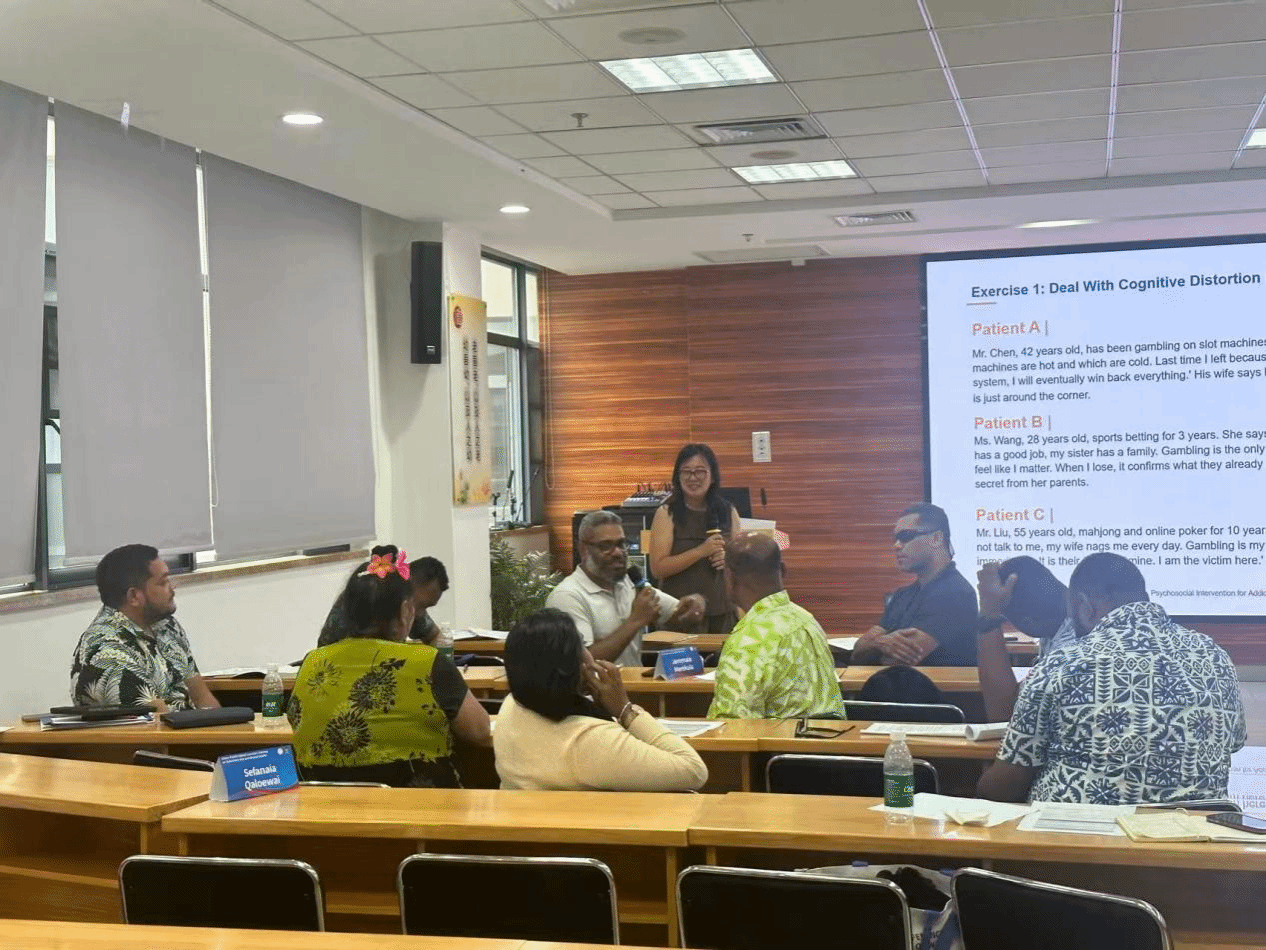
Closing Remarks: Building Lasting Partnerships for Better Mental Health
On July 5, the program concluded with a closing discussion chaired by Dr. Jiang Long from the WHO Pacific Technical Support Office. Participants reflected on the achievements of the two-week training programme and explored future opportunities for collaboration between China and PICs in areas including workforce development, technical exchange, equipment and technology, clinical supervision, and capacity building. In his closing remarks, Yan Weibin, Party Secretary of Suzhou Guangji Hospital, expressed his best wishes to all participants. He emphasized that the program aimed not only to provide knowledge and technical skills, but also to equip participants with practical tools and the confidence to adapt evidence-based approaches to their own local contexts. He noted that although the mental health challenges facing PICs cannot be solved overnight, every participant had chosen to become a mental health professional and travelled across the ocean in pursuit of positive change. As the first systematic cooperation program between China and PICs in the field of mental health, the training was made possible through the joint efforts of government agencies, international organizations, academic institutions, and healthcare professionals. It is hoped that the partnerships established during the program will continue to grow into long-term collaborations that strengthen mental health systems across the region.
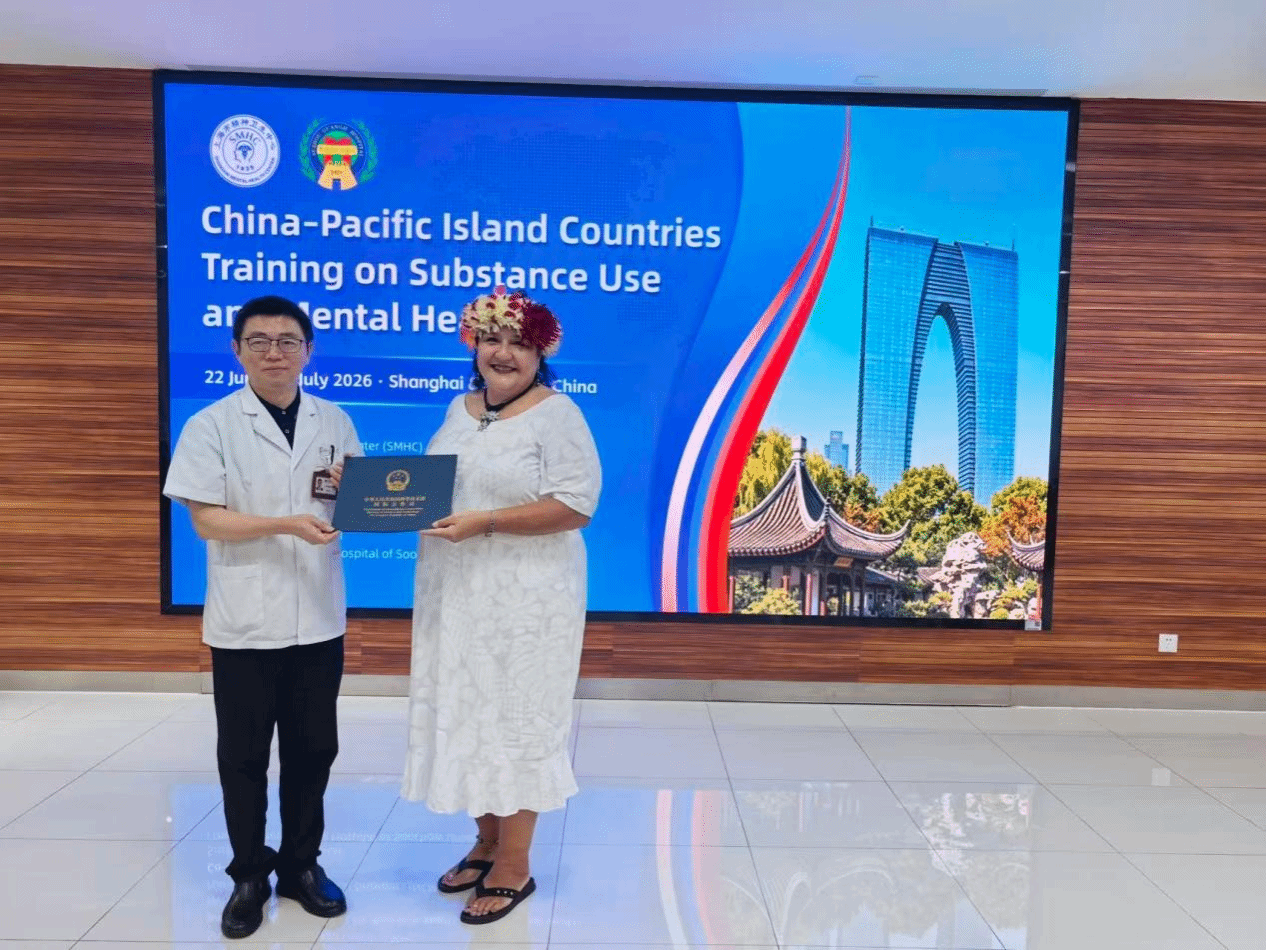
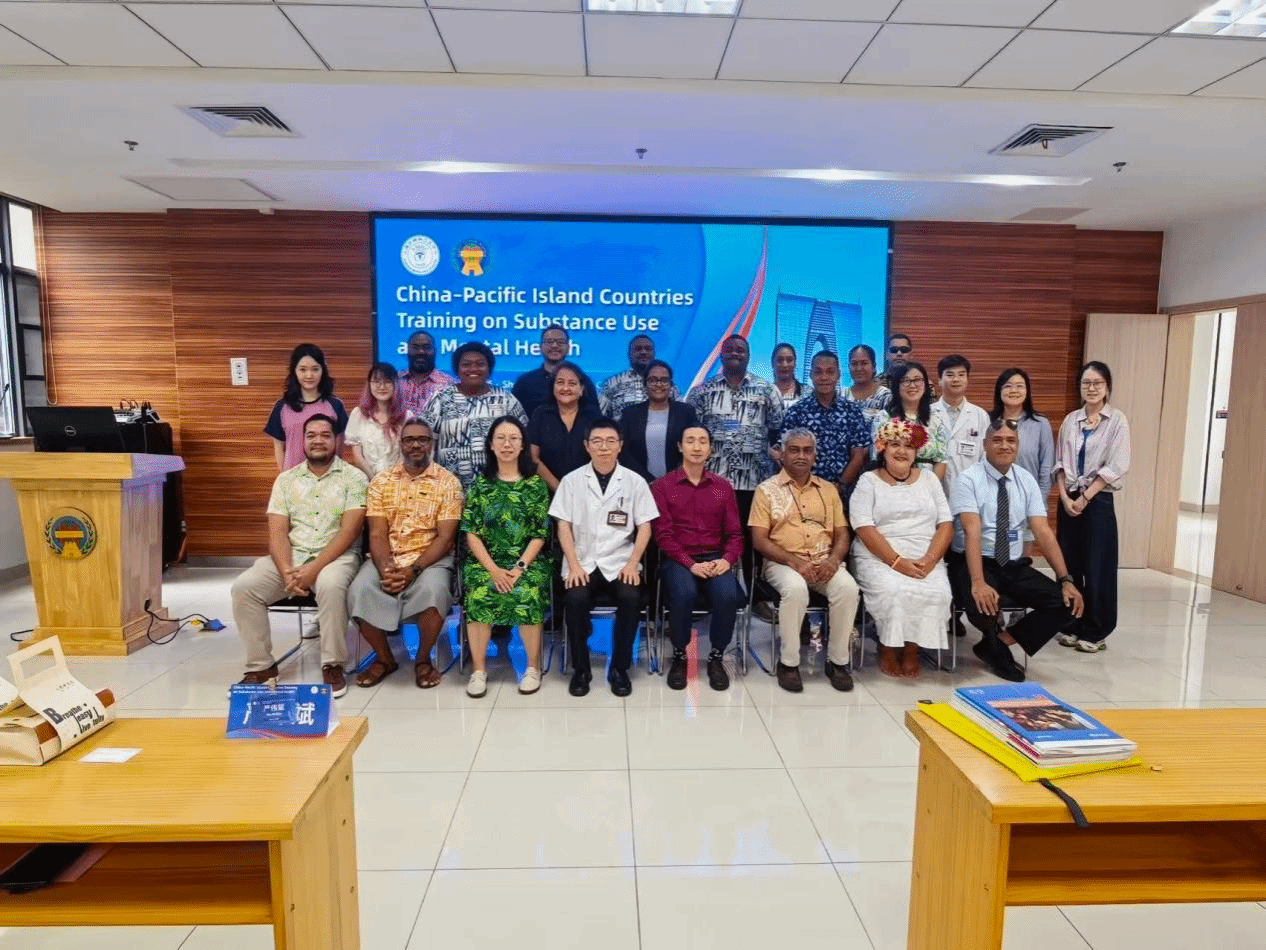
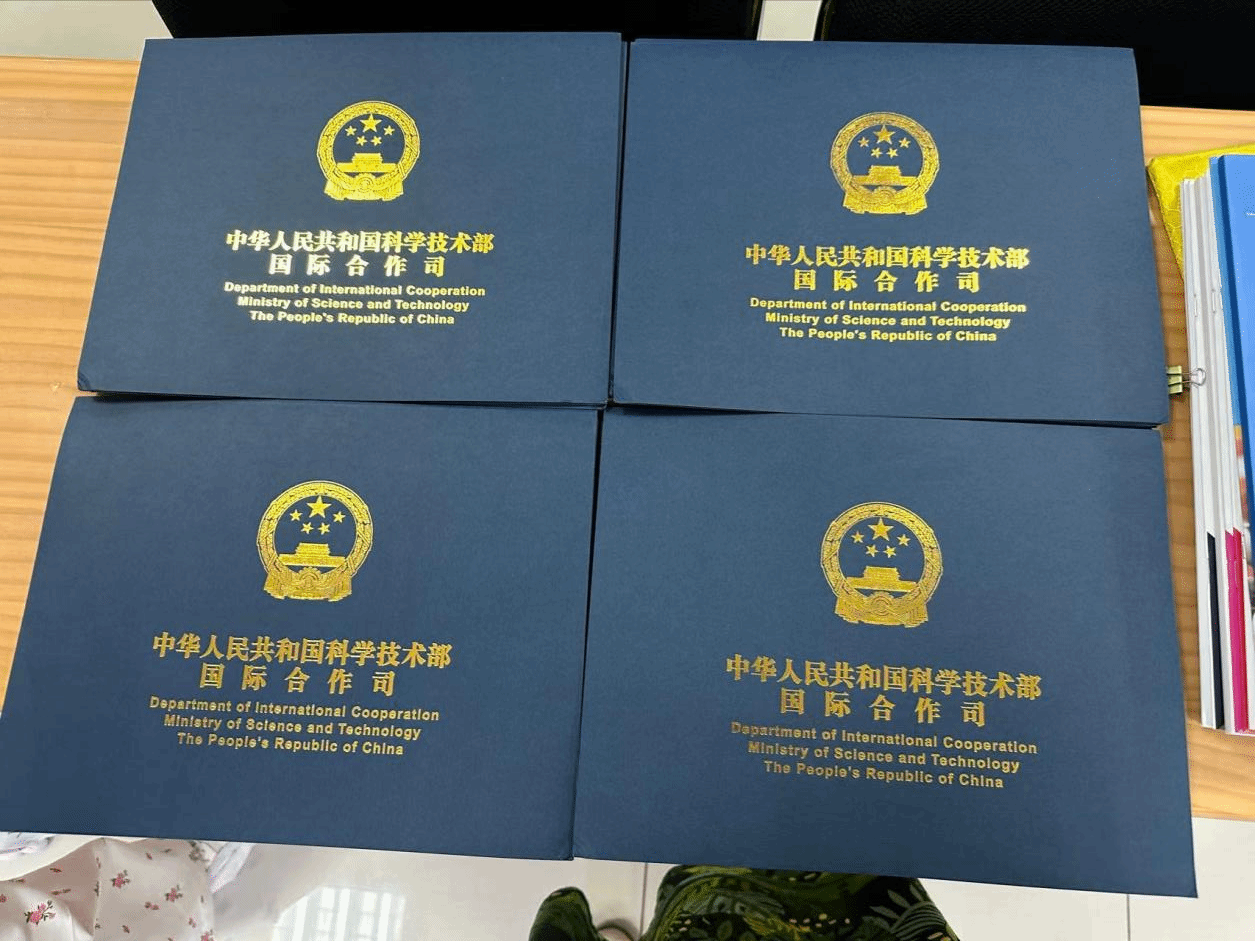
Beyond the classroom
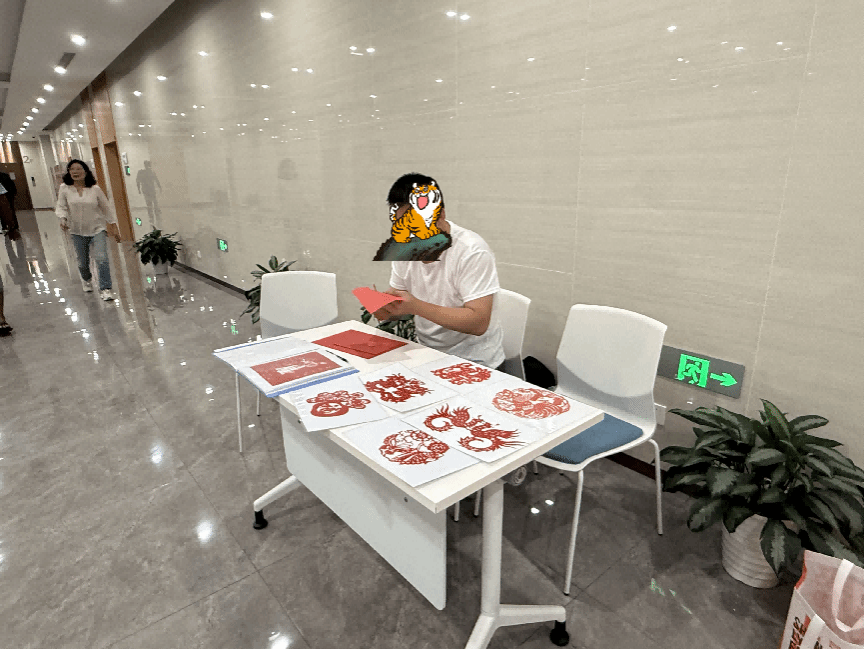
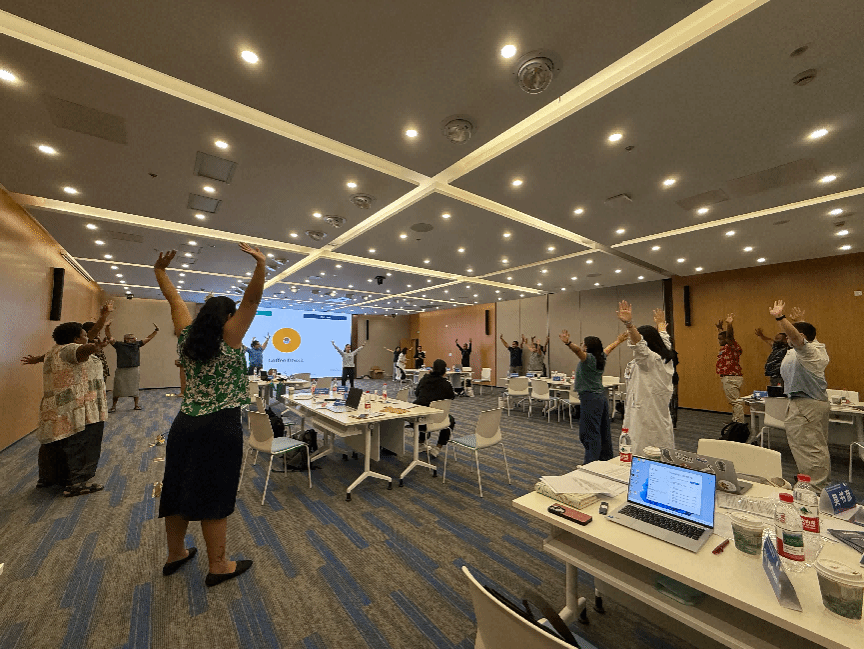
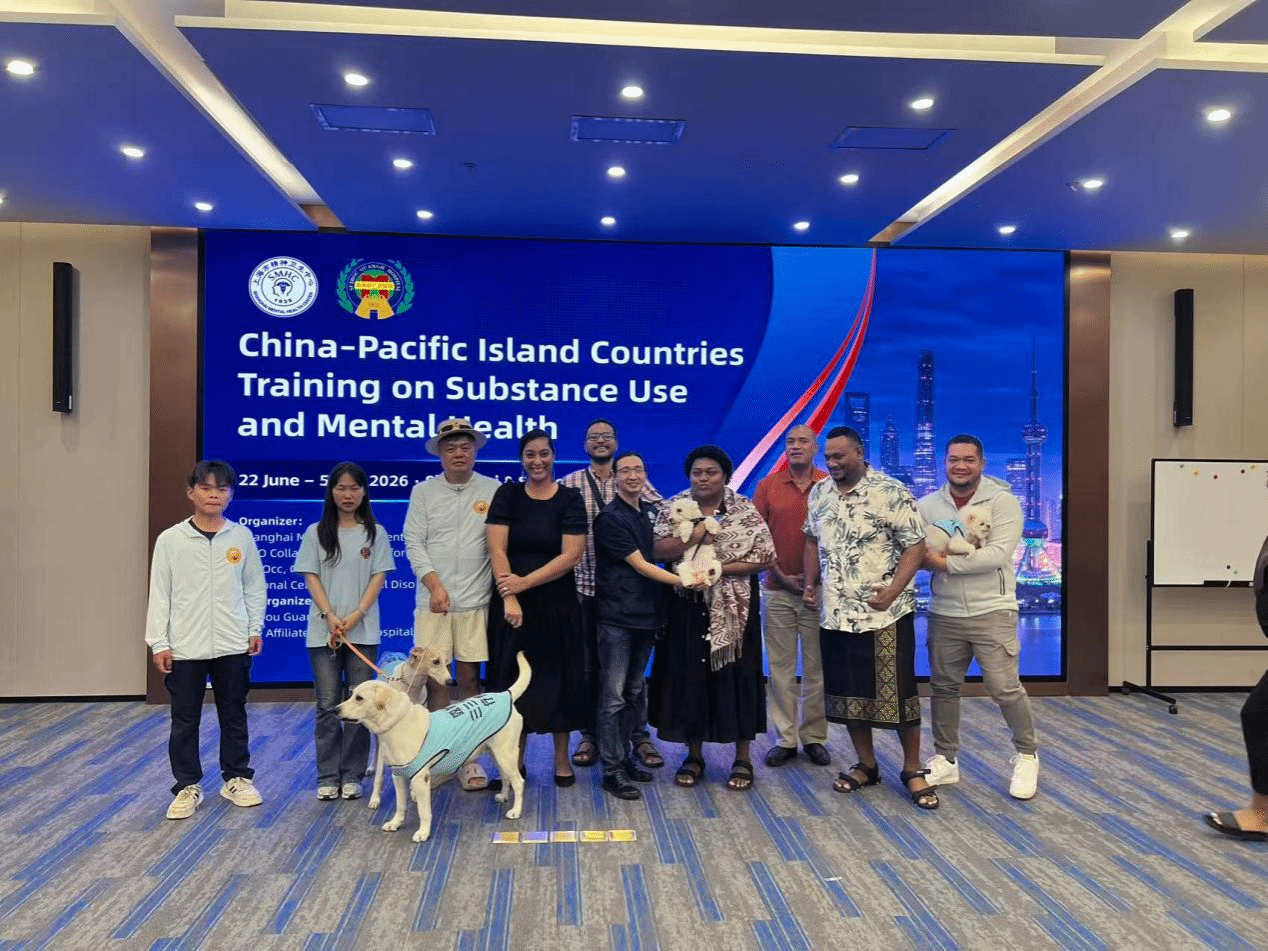
Alongside the intensive training program, organizers sought to introduce participants, many of whom were visiting China for the first time, to aspects of Chinese culture and psychosocial rehabilitation. Participants viewed traditional Chinese paper-cutting artworks created by individuals recovering from mental illness, experienced Baduanjin (Eight-Section Brocade) exercises led by instructors from Shanghai University of Sport, interacted with therapy dogs from the Shanghai Sansan Public Welfare Base, and celebrated participant Meranda's birthday together!
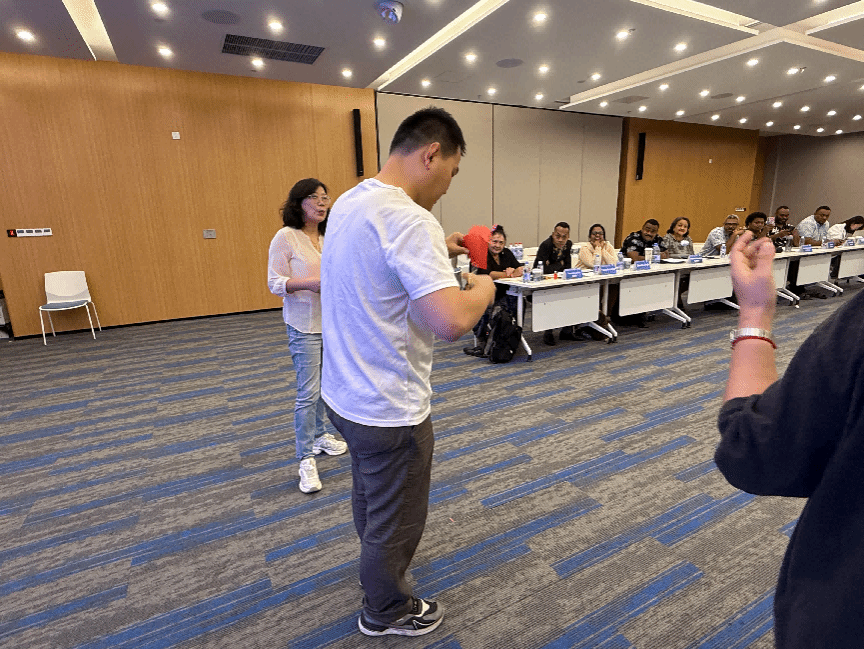


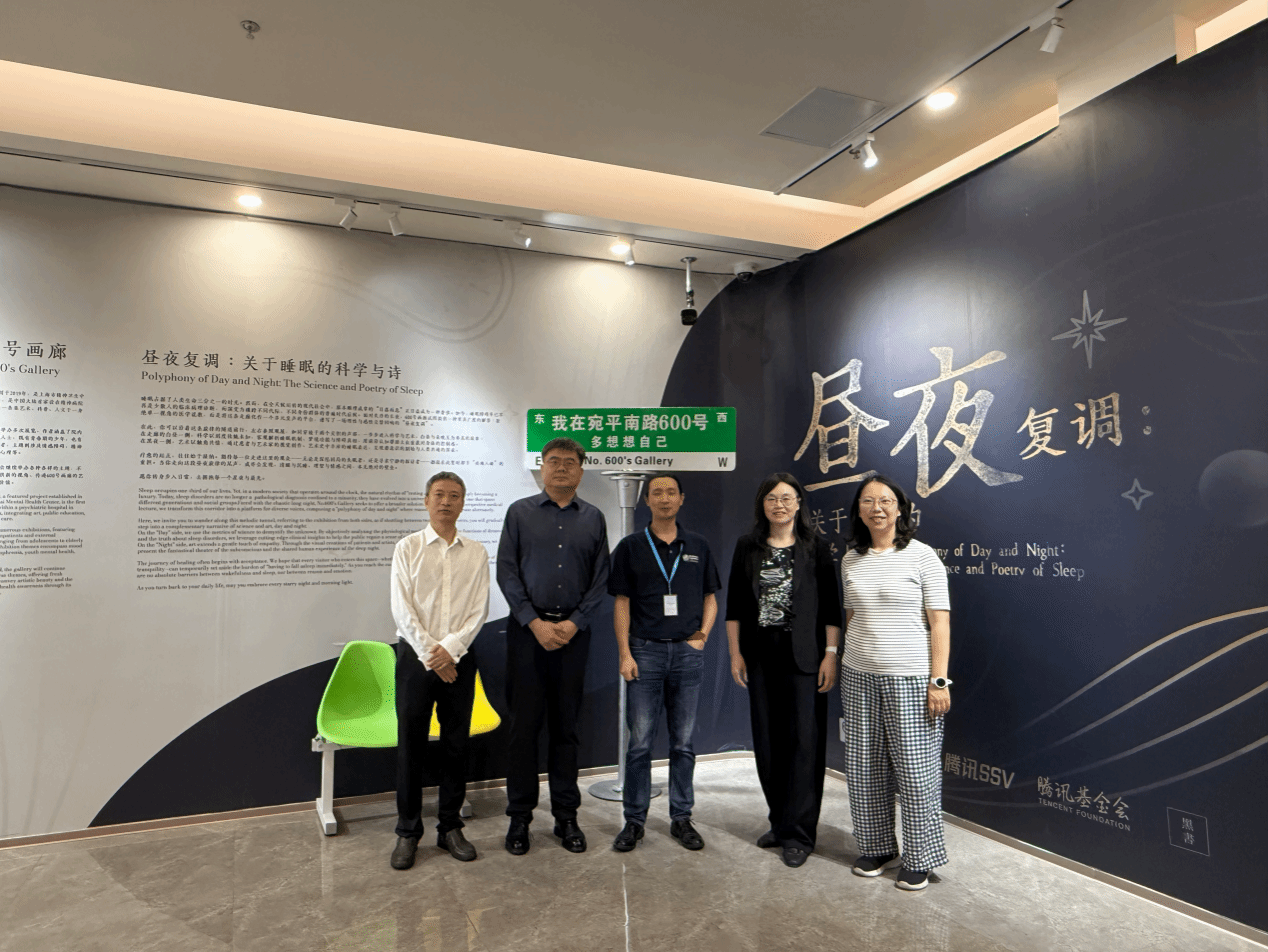
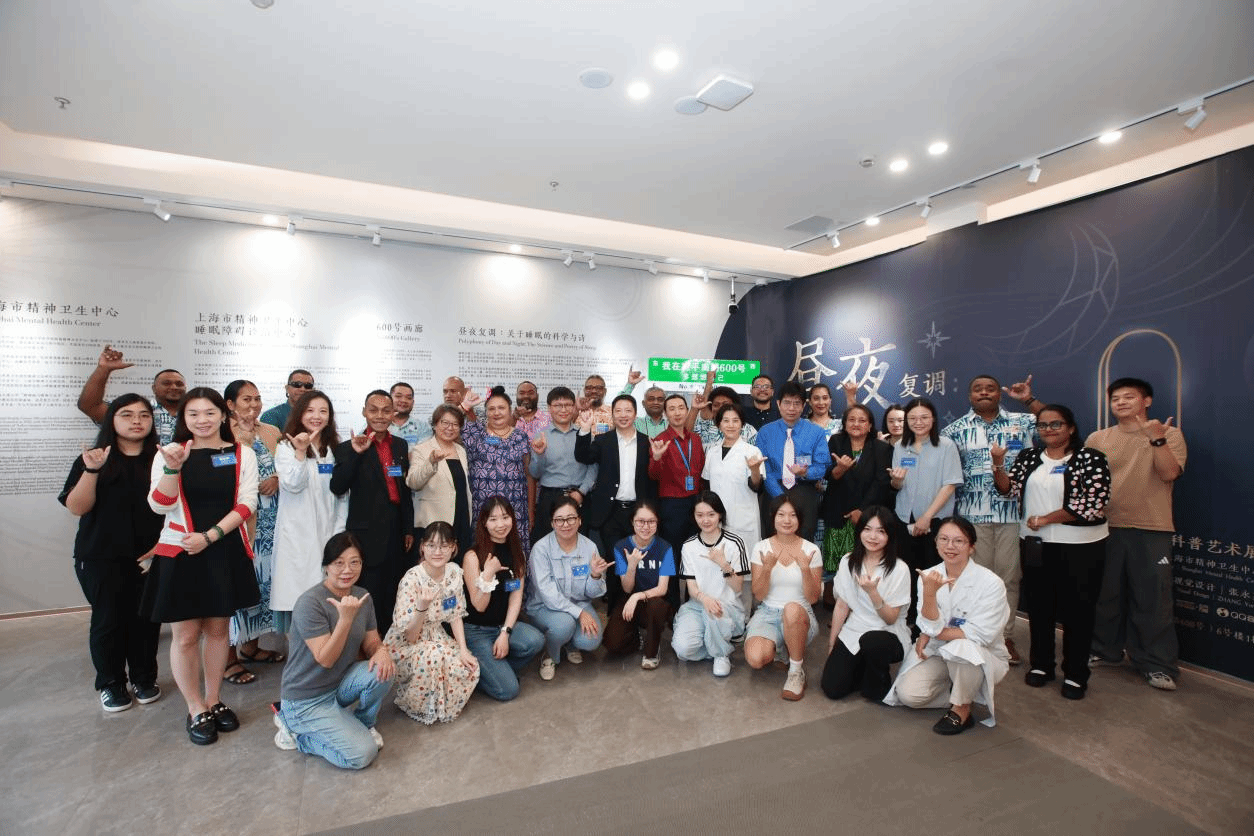
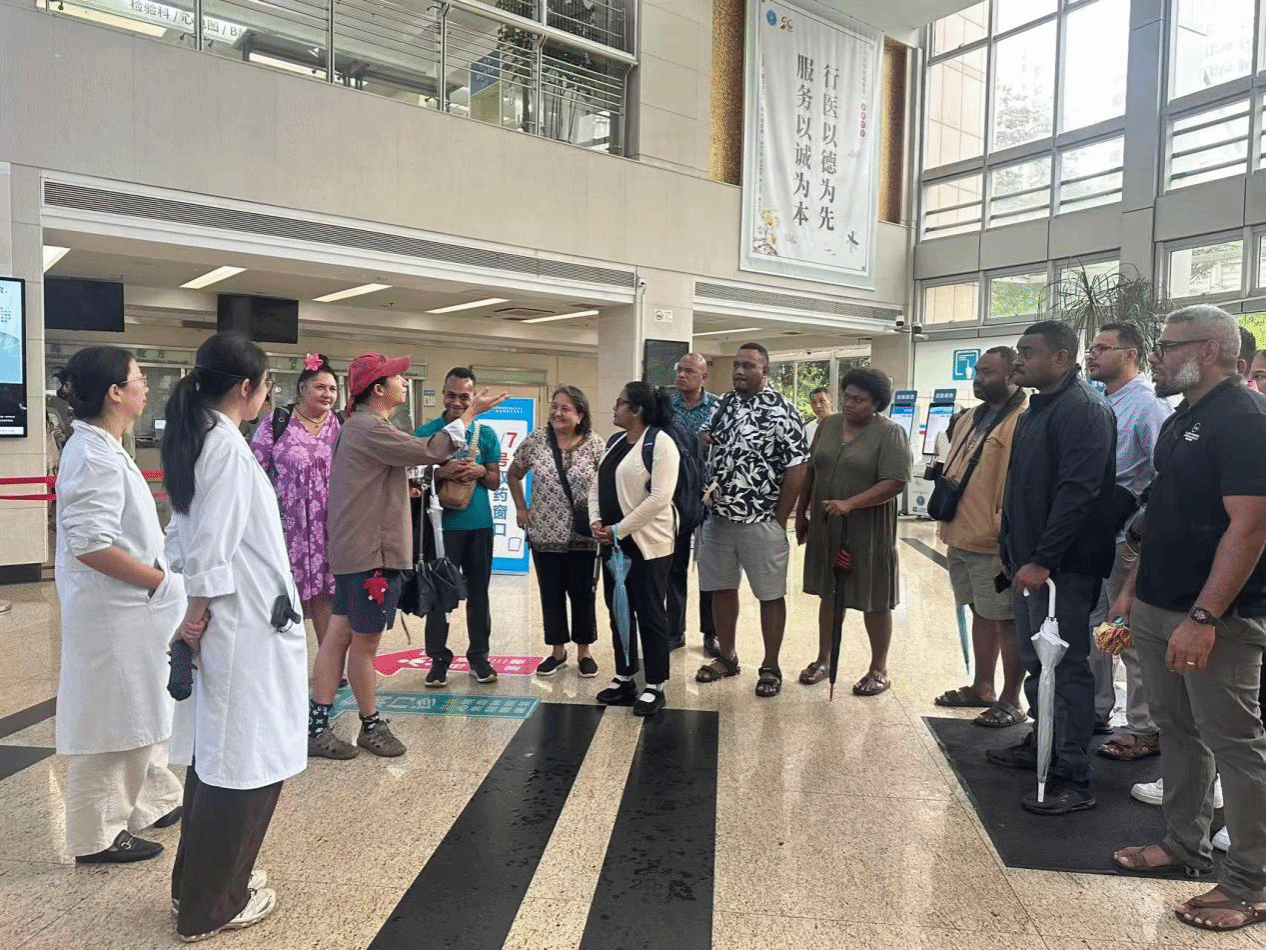
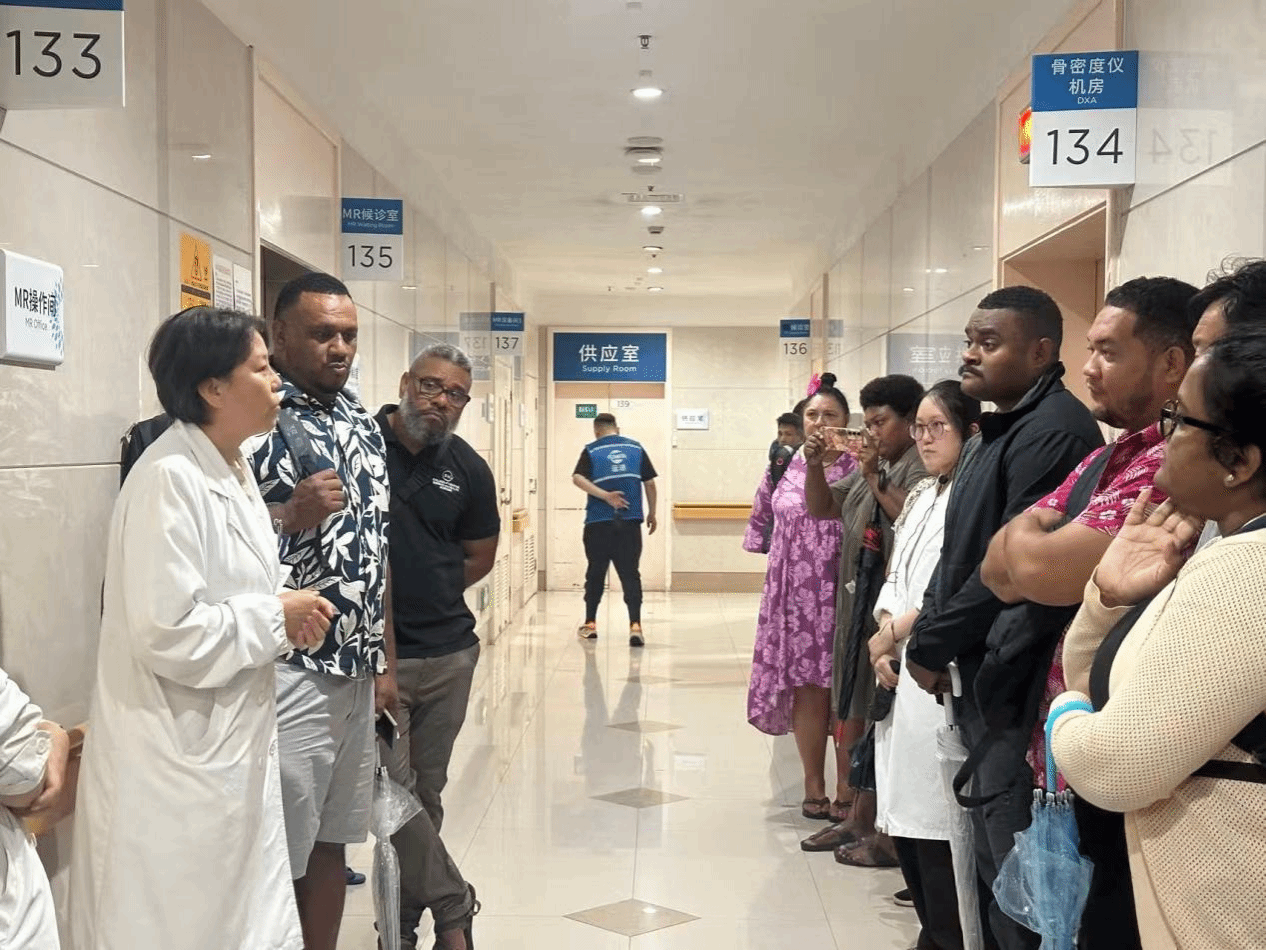
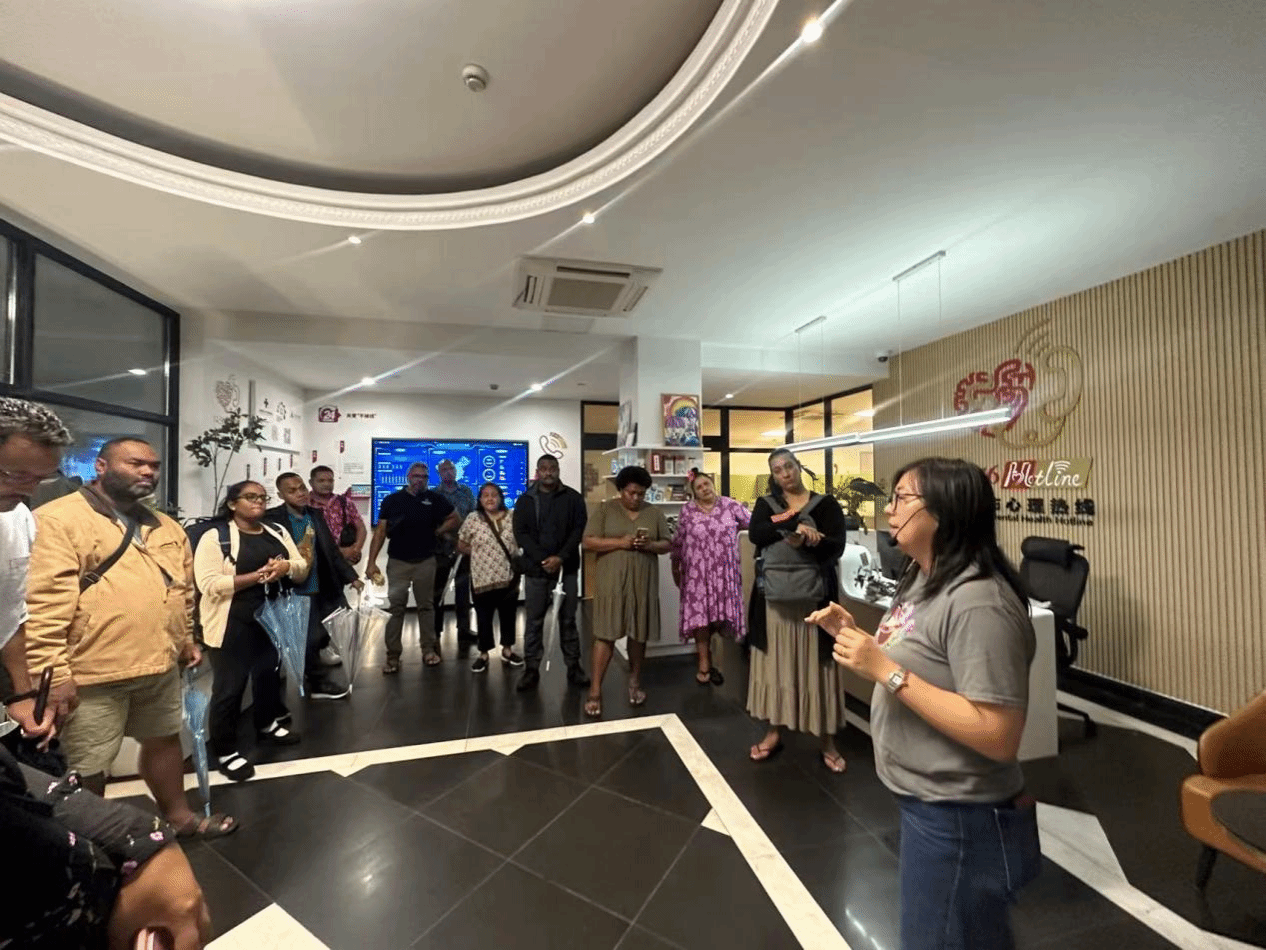
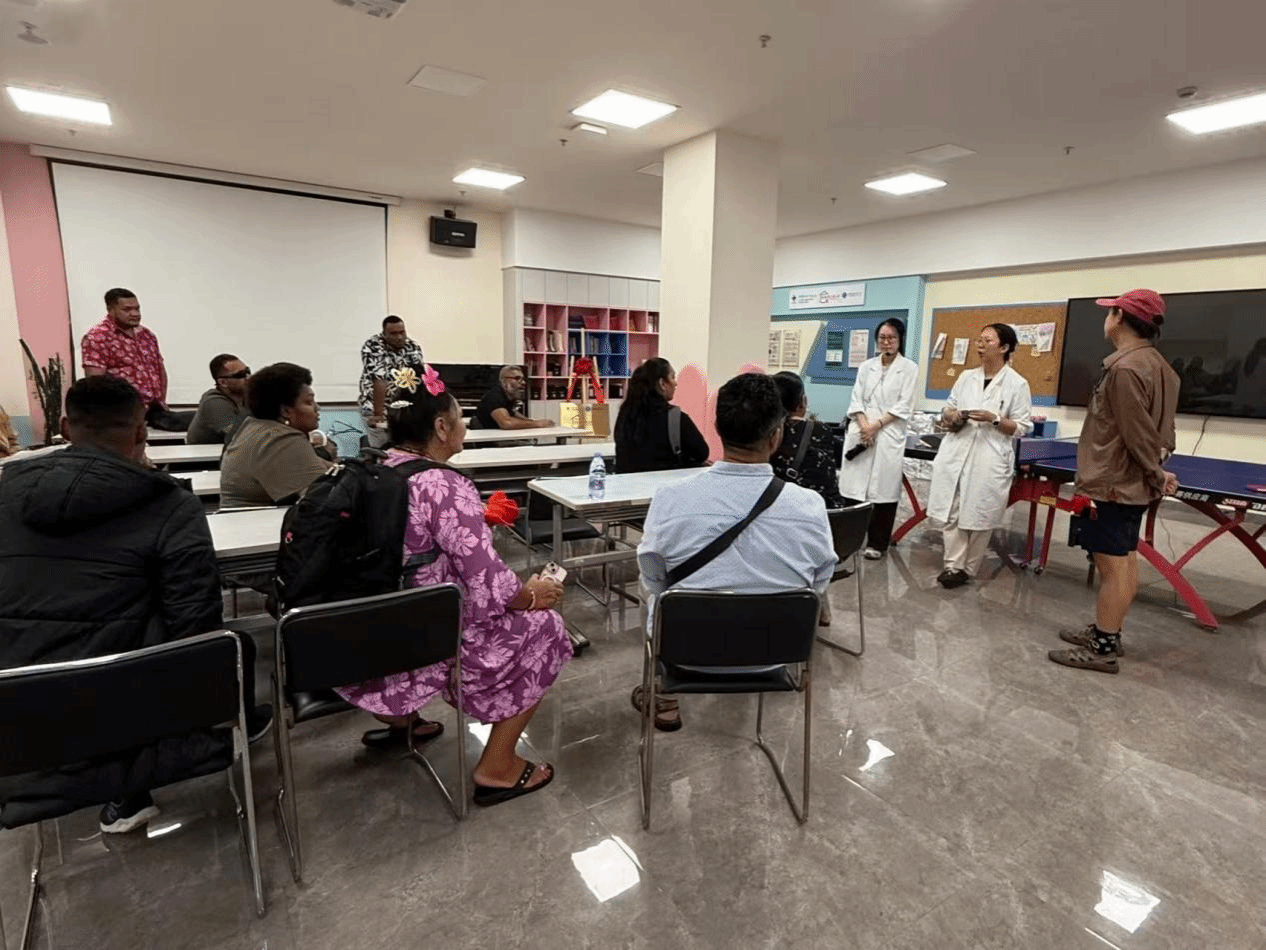
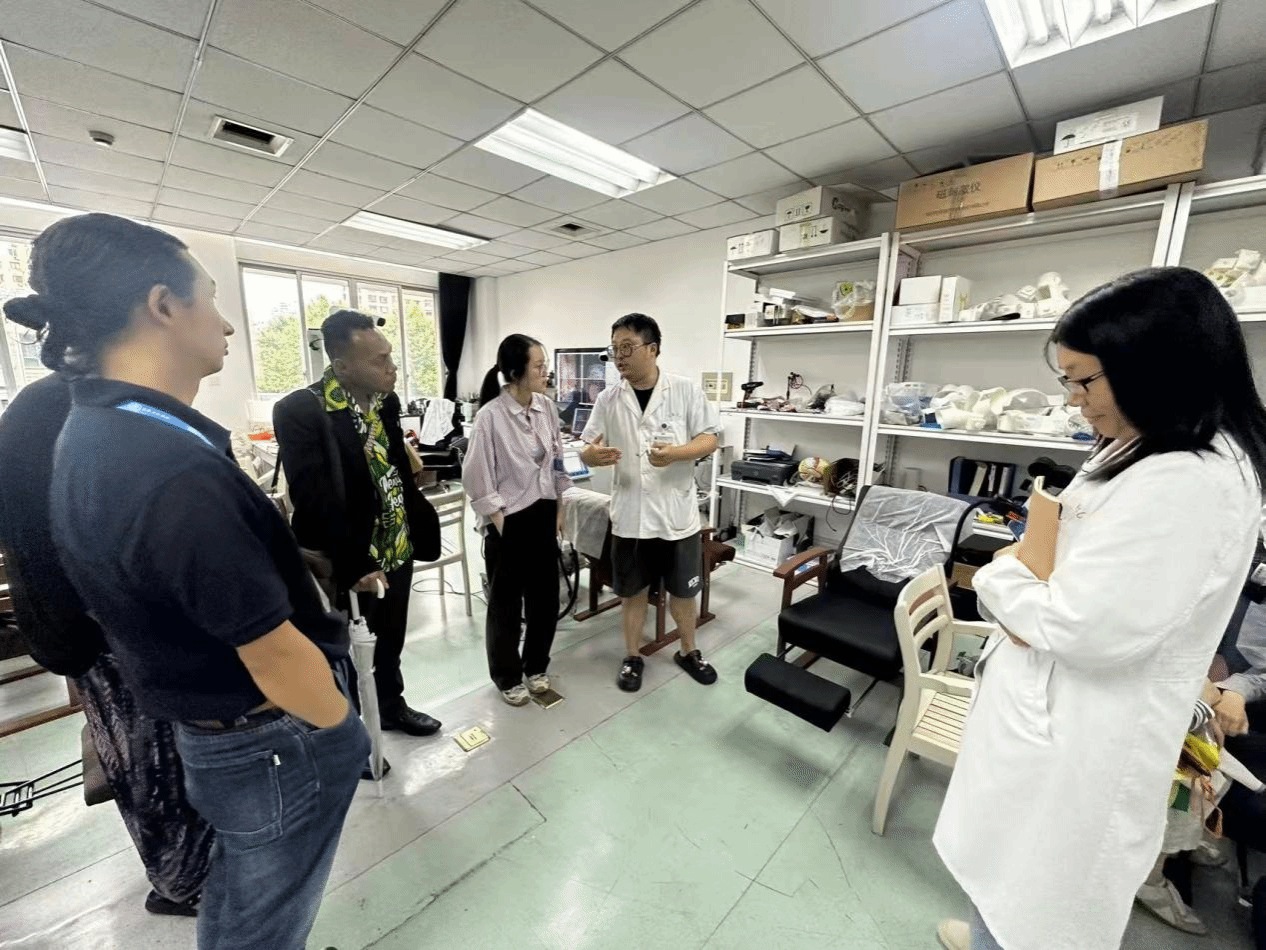
On June 22, the day of registration, participants were invited to visit SMHC. Despite having just completed long international journeys, every participant chose to join the tour. The visit included the outpatient clinics, MRI facilities, sleep disorder ward, psychological hotline center, the renowned Gallery 600, the day rehabilitation center, and the neuromodulation treatment unit. Participants also exchanged experiences with clinical staff, engaging in discussions on China's mental health service system, precision assessment and intervention, and efforts to reduce stigma surrounding mental illness.

Acknowledgements
The organizers would like to express their sincere appreciation to Dr. Jiang Long and Mr. Tomo Kanda from the WHO Pacific Technical Support Office. Their insights into the current challenges of substance use and infectious diseases in PICs, together with discussions on how China's experience in addiction medicine could contribute to the region, inspired the joint application for this Belt and Road international training program supported by the Ministry of Science and Technology of China. Throughout the program, they provided invaluable support in project planning, curriculum design, needs assessment, and coordination of international faculty, making the successful implementation of the training possible. We also extend our heartfelt thanks to Ministry of Science and Technology of China, the Shanghai Municipal Science and Technology Commission, and the Foreign Affairs Office of the Shanghai Municipal People's Government for their guidance and support. Our sincere appreciation goes to colleagues and experts from the World Health Organization (WHO), the United Nations Office on Drugs and Crime (UNODC), the University of New South Wales, Harvard University, Suzhou Fifth People's Hospital, and many other partner institutions for generously sharing their expertise.
We are equally grateful to the many departments within Shanghai Mental Health Center, including the WHO Collaborating Centre for Mental Health, the Office of International Cooperation, the National Mental Health Center Office, the Department of Education and Research, and the Psychological Hotline Service, as well as to Changning District Mental Health Center and Suzhou Fifth People's Hospital for their outstanding support. Special thanks also go to the numerous staff members, researchers, graduate students, and volunteers who dedicated their time and energy behind the scenes throughout the program. Finally, our deepest appreciation goes to all participants from Pacific Island countries. Thank you for travelling across the ocean to join us, for your enthusiasm, openness, and commitment to improving mental health in your communities. Thank you as well for your beautiful farewell song. Vinaka!