On the afternoon of October 30, the team of the Shanghai Mental Health Service System Optimization Project for Children and Adolescents convened a closed-door internal meeting at the Xuhui Campus. The session summarized and reviewed the year-long system development efforts, focusing on the project's achievements as well as key challenges and critical issues that emerged during implementation.
The meeting commenced with Dr. Na Zhong, Deputy Director of the Rehabilitation Department at Shanghai Mental Health Center, delivering a comprehensive project report. She systematically reviewed the implementation progress, key achievements, and future work plans for each sub-project. Following the report, the project team held a “Home-School-Healthcare-Community Collaboration Initiative Ceremony,” aimed at further strengthening the cross-departmental collaboration network for mental health services for children and adolescents in Shanghai. The initiative ceremony received enthusiastic support from the Shanghai Children's Medical Center, Shanghai Mental Health Center, Shanghai Student Mental Health Education Development Center, Shanghai 12355 Youth Hotline, Shanghai Sunshine Community Youth Affairs Center, Shanghai Center for Disease Control and Prevention Mental Health Branch, Shanghai Jiao Tong University School of Public Health, Minhang District Education Institute, and all member units of the project team.
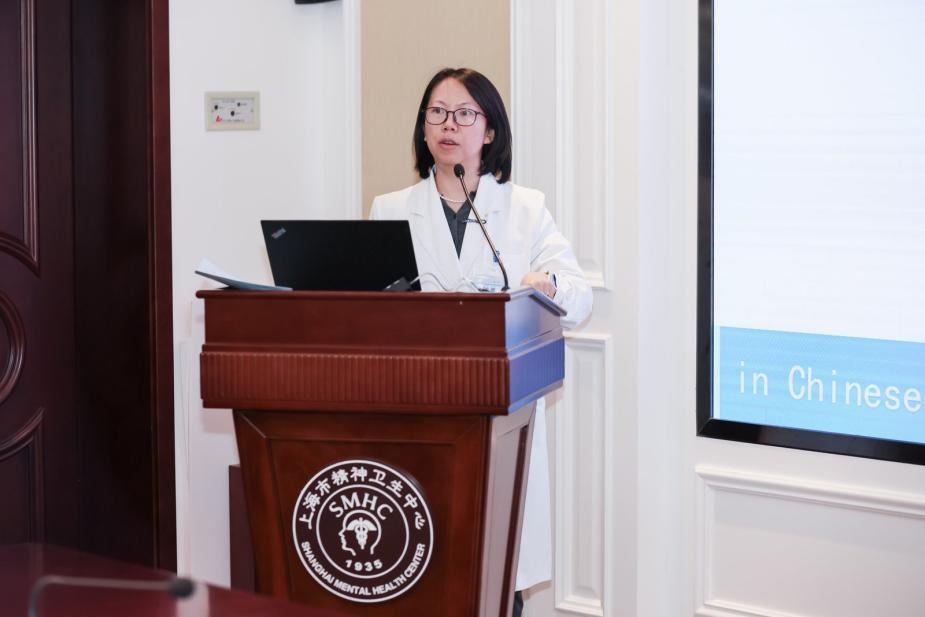
Dr. Na Zhong reported on the overall progress of the project
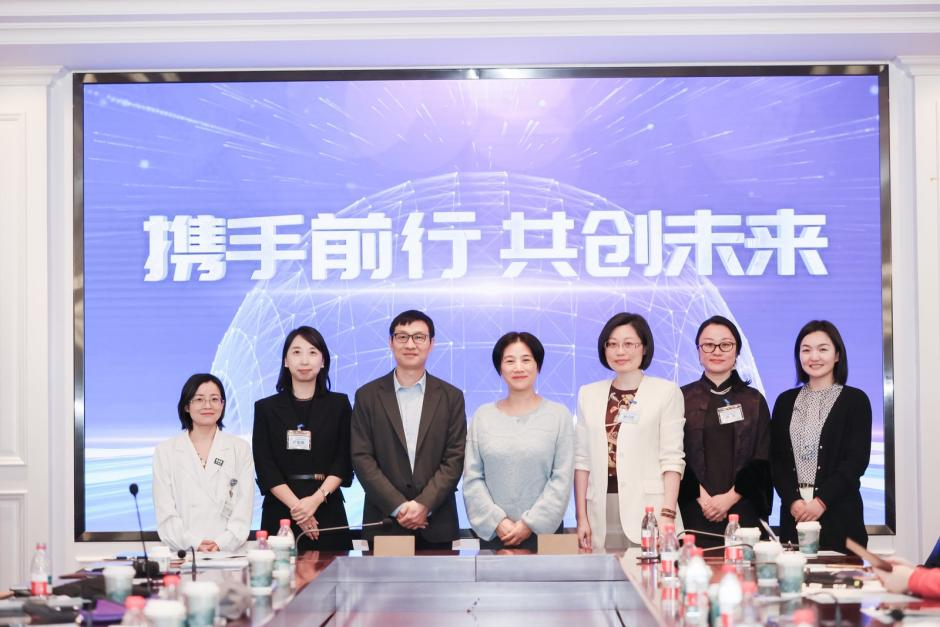
Home-School-Healthcare-Community Collaboration Initiative Ceremony
Following the ceremony, the eight sub-projects presented their work reports in sequence. The project teams, in collaboration with health, education, youth federation, and social service organizations, focused on the mental health needs of children, adolescents, and their families, working to optimize and integrate the capabilities of key service providers across schools, healthcare institutions, social organizations, and psychological first-aid services.
Within the school system, sub-projects emphasized collaboration among school psychologists, school doctors, and on-campus social workers, strengthening mental health promotion, early problem identification, and early intervention, while also improving crisis response mechanisms and psychological consultation services. Within the healthcare system, efforts were made to enhance the capacity of specialized mental health services at both municipal and district levels, explore psychological support during inpatient waiting periods, reinforce cross-system technical collaboration, and strengthen identification and management of mental health issues in non-specialist areas such as pediatrics and emergency departments, gradually establishing more accessible clinical pathways. Within the social service system, initiatives aimed to promote collaboration between communities and hospitals in prevention and intervention, improve the management of complex cases, and, through partnerships between the social work department of Shanghai Mental Health Center and the Sunshine Youth Community Affairs Center, support the capacity building of school-based social workers and promote the standardized development of social service organizations. In the area of psychological first aid, efforts focused on strengthening the capabilities of hotlines and volunteer networks, as well as exploring the establishment of shared psychological spaces in communities, thereby expanding the accessibility of mental health services for adolescents.
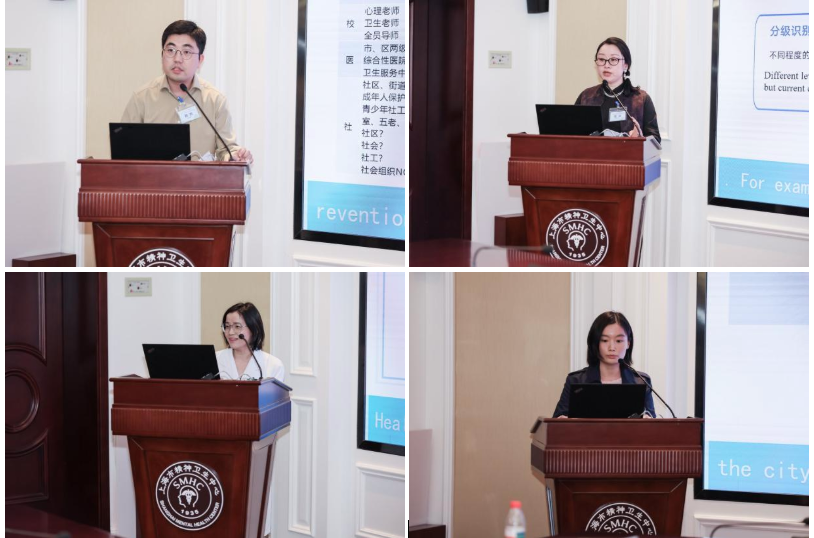
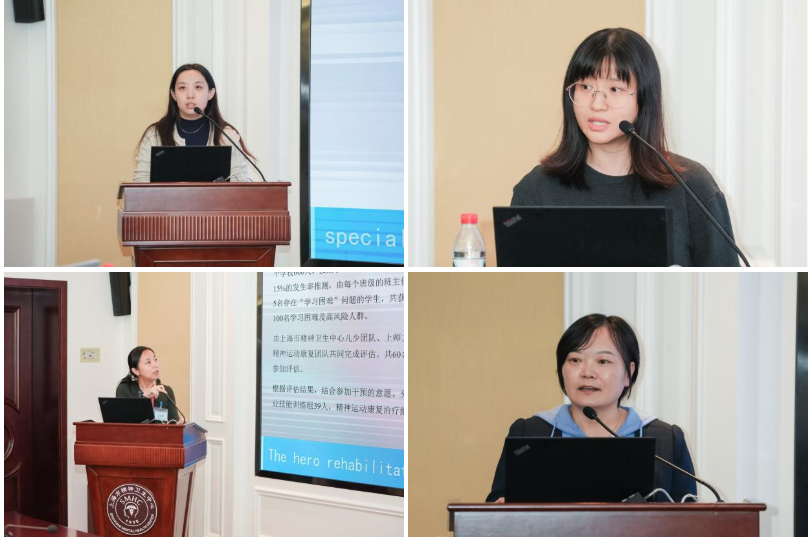
The eight sub-projects were reported and summarized in sequence
Following the presentations of the eight sub-projects, experts from the China Medical Board (CMB) provided feedback and guidance, fully affirming the project’s systematic approach and cross-departmental collaboration model in building mental health service systems for children and adolescents. Drawing on international experience, the experts offered recommendations to optimize service processes and enhance intervention quality, while encouraging the project team to continue driving practical innovation. Their insights served as valuable references for constructing an efficient and sustainable mental health service system for children and adolescents. Through pragmatic exchanges, the meeting reached multiple points of consensus, laying a solid foundation for the next phase of project implementation and policy recommendations.
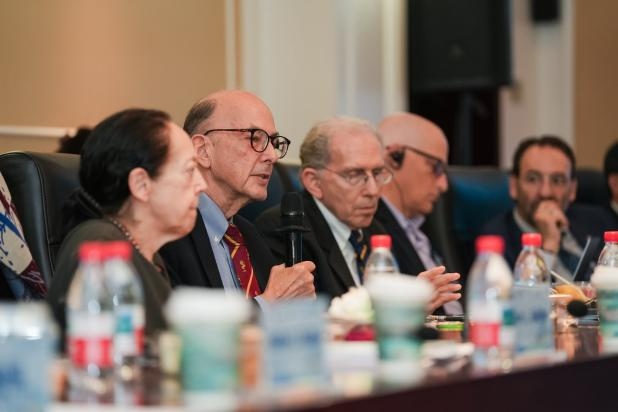
Roger I. Glass, President of China Medical Board
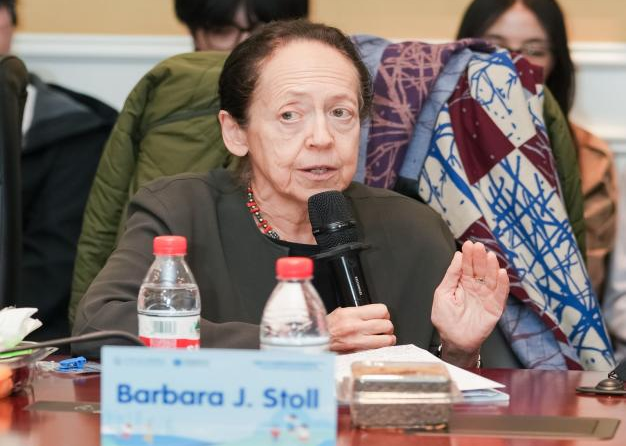
Barbara J. Stoll,Executive Vice President of China Medical Board
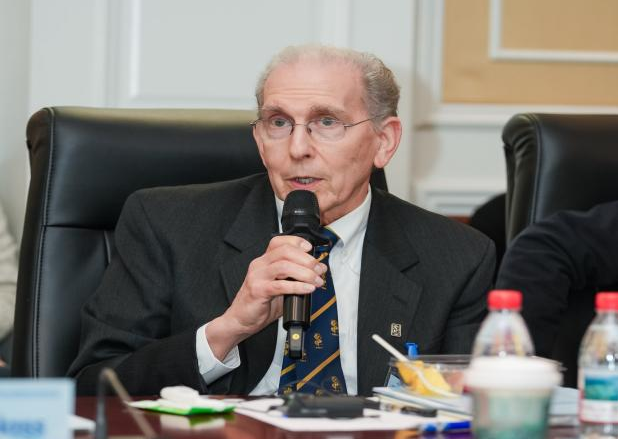
John Lichten, Vice President and Chief Operating Officer of China Medical Board