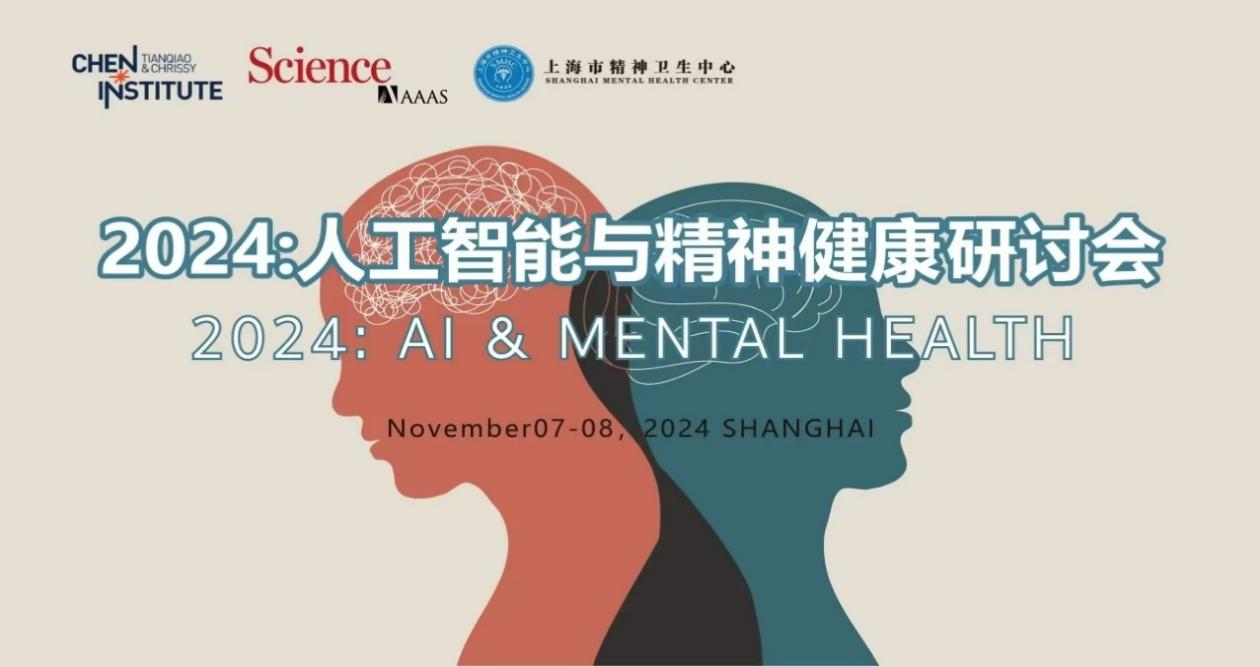
The "AI and Mental Health" symposium, jointly organized by the Tianqiao and Chrissy Chen Institute, Science, and Shanghai Mental Health Center, was held on November 7-8 at Shanghai Mental Health Center's Xuhui Campus, located at No. 600 Wanping South Road, Shanghai. The event attracted nearly 400 scientists, clinicians, and industry professionals to discuss the applications and future development of artificial intelligence in mental health.
Chrissy Luo, founder of the Tianqiao and Chrissy Chen Institute, said: "Artificial intelligence and mental health are fields in which I and the Institute place great hope. We look forward to breakthroughs that will benefit humanity. This is the fourth consecutive year for us to co-organize international academic lectures with Science, and we're delighted to bring it to China for the first time. We hope to attract talents, especially AI talents, to join us in using artificial intelligence technology to help Chinese people live without anxiety and depression, and achieve greater happiness."
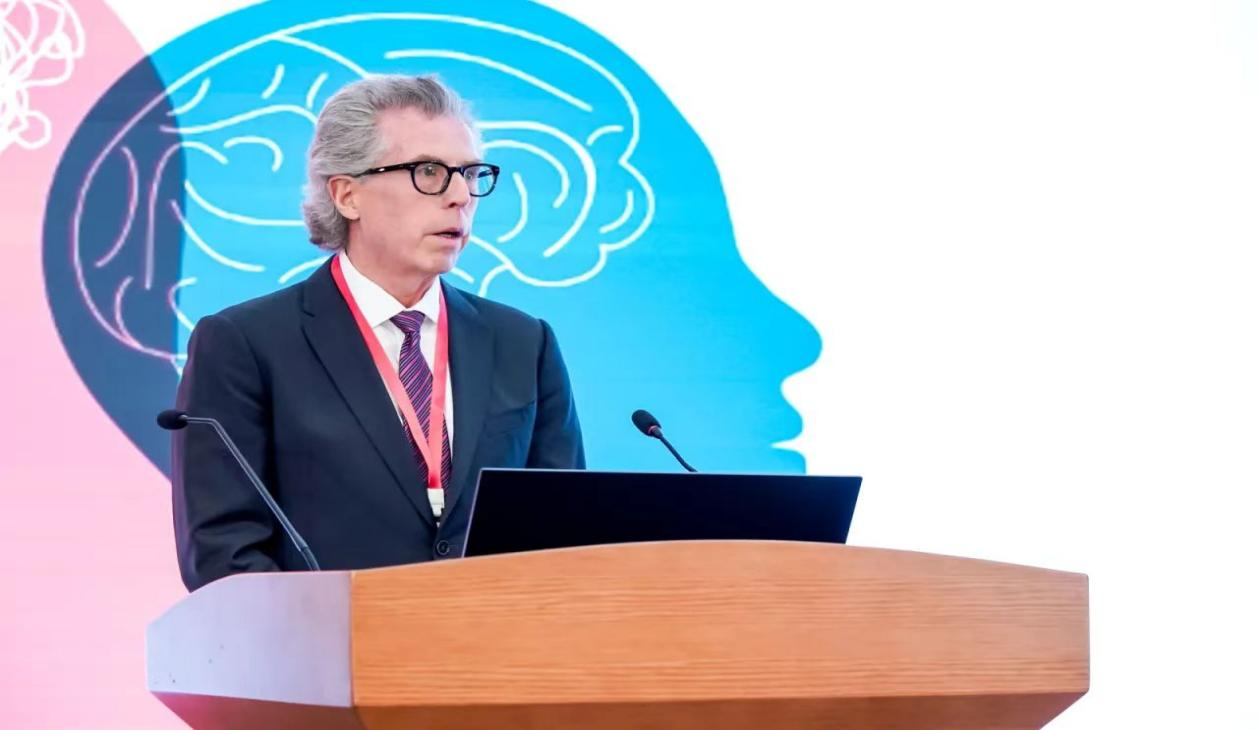
Bill Moran, publisher of the Science family of journals, stated in his on-site address: "Science has always been at the forefront of emerging sciences. We will continue to partner with the Tianqiao and Chrissy Chen Institute to work closely with global scientists and researchers to unlock the enormous potential of AI in mental health treatment and management."
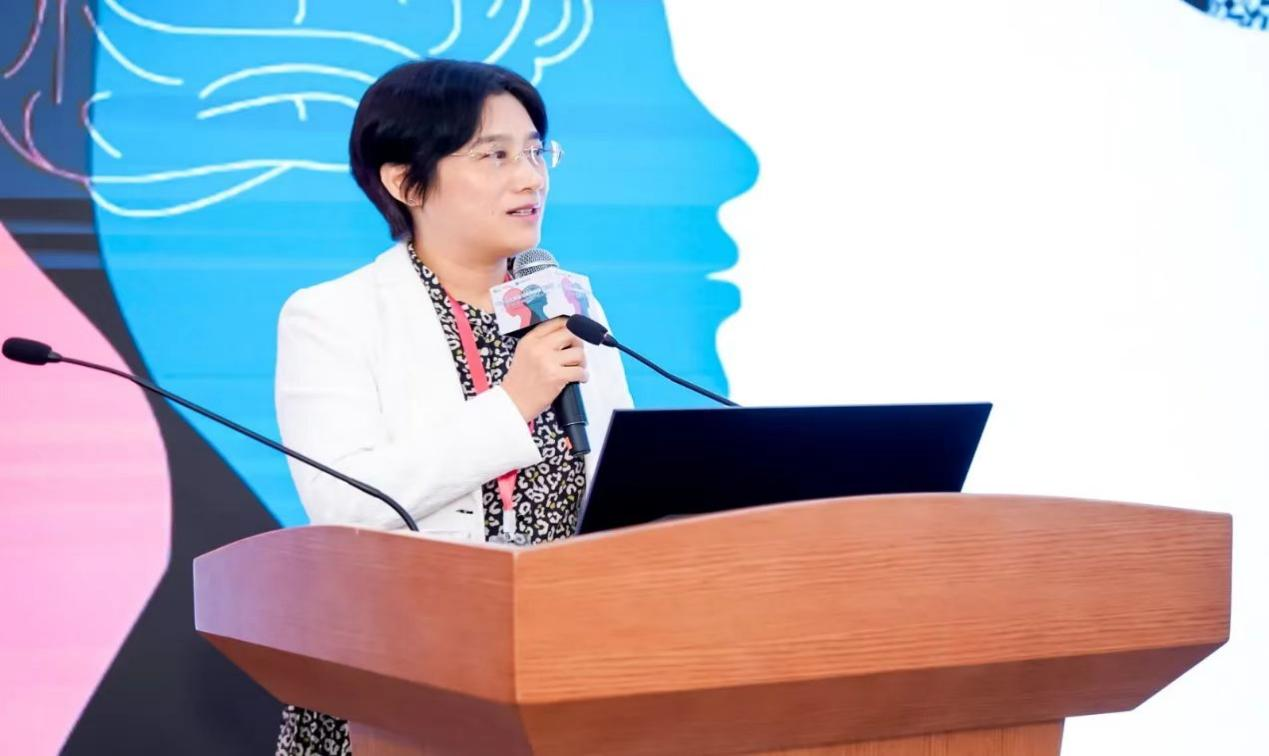
Professor Min Zhao, Director of Shanghai Mental Health Center and the National Center for Mental Disorders, said: "Global mental health challenges are increasingly severe, and the integration of artificial intelligence with mental illness diagnosis and treatment is an excellent solution to this problem. We look forward to in-depth exchanges with global scientists to advance development in this field."
Under the chairmanship of Peter Stern, Senior Editor at Science, Professor Xiaolan Fu, Dean of the School of Psychology at Shanghai Jiao Tong University, and Professor Zhen Wang, Deputy Director of Shanghai Mental Health Center, the conference witnessed in-depth discussions on numerous cutting-edge topics, including AI applications in mental illness diagnosis, personalized treatment plans, mental health prediction models, and computational psychiatry. Experts from China, the United States, Germany, the United Kingdom, and Australia shared their latest research findings and practical experiences in their respective fields.
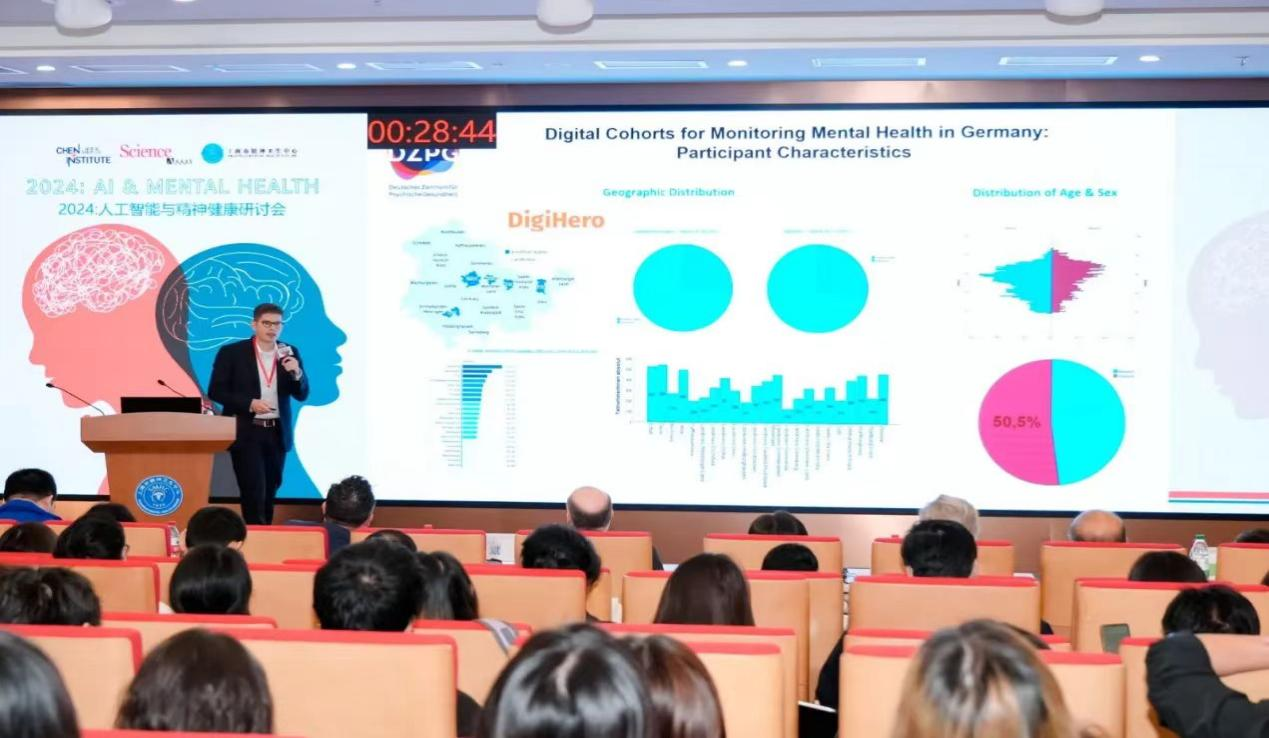
Nils Opel, Distinguished Professor for Translational Psychiatry at University Hospital Jena in Germany, and his research team developed an innovative remote monitoring application that assesses patients' mental health by collecting behavioral and voice data. DigiHero, a large-scale digital cohort study led by him, is monitoring the mental health of the German population, particularly focusing on the impact of the COVID-19 pandemic. These technologies have shown enormous potential in clinical practice for patient stratification and further personalized treatment.
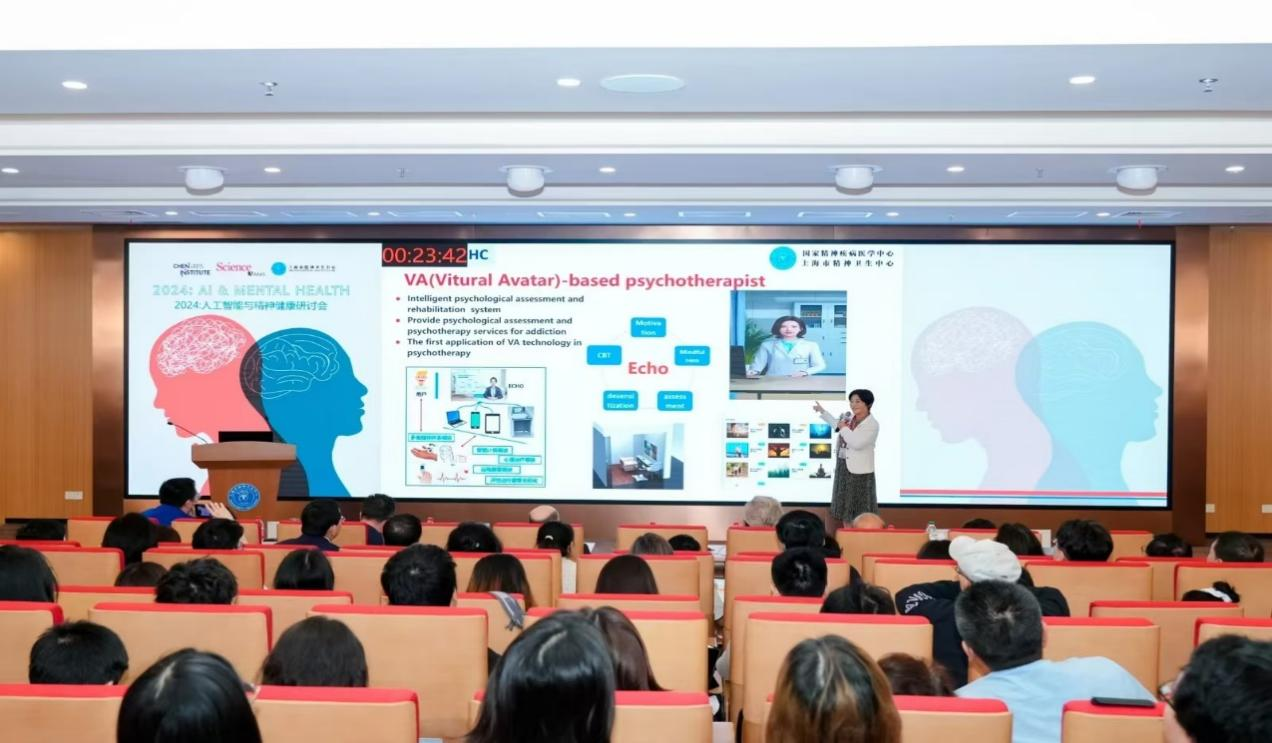
Professor Min Zhao from Shanghai Mental Health Center demonstrated various clinical applications of AI in mental health care, which are driving mental health services toward intelligent and personalized development. The AI-assisted diagnostic system can accurately identify patients with severe mental illness through MRI scan analysis. Using virtual reality and AI technology to create immersive therapeutic environments has significantly improved symptoms in patients with conditions such as acrophobia. They are developing AI-based psychological therapy robots that assist in screening and diagnosing anxiety disorders by analyzing facial expressions.
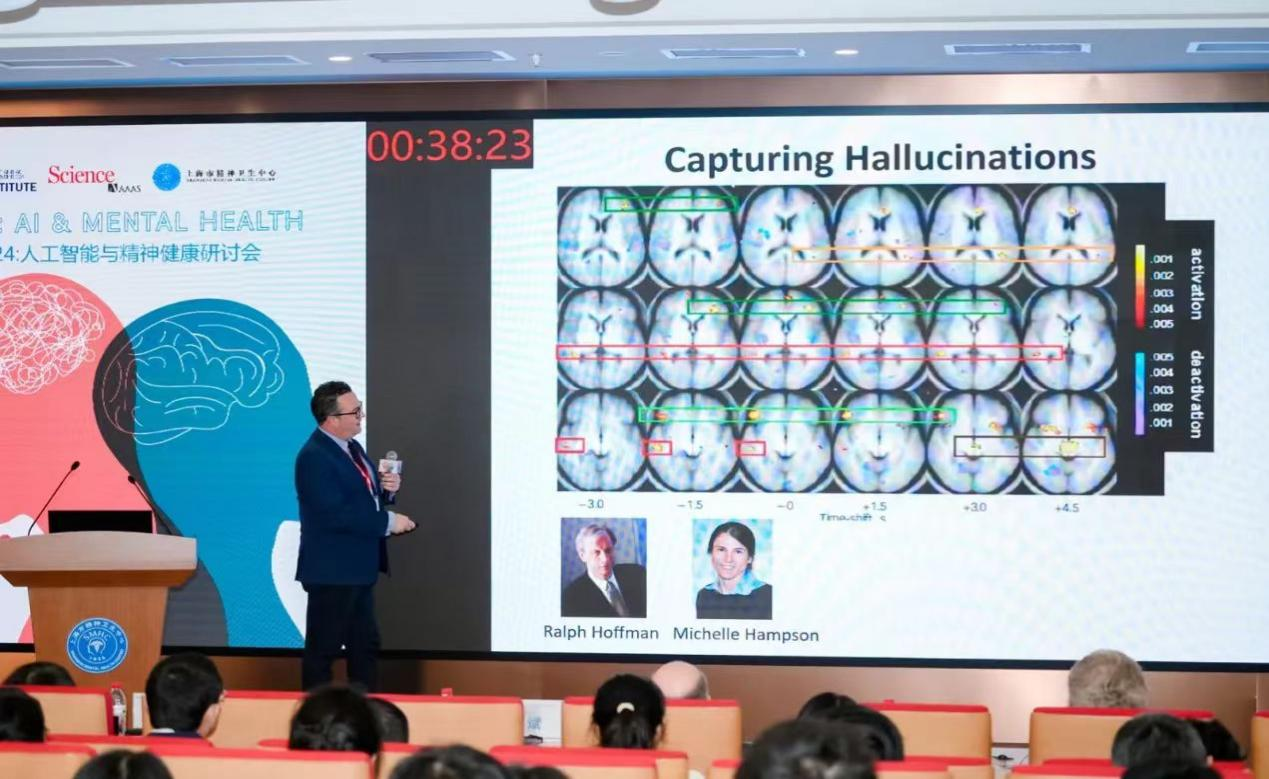
Philip Corlett, Associate Professor of Psychiatry at Yale University, shared practices on incorporating computational psychiatry into clinical diagnosis and treatment. His team developed a "conditional hallucination" model using AI and machine learning to study hallucination formation mechanisms. Additionally, they applied hierarchical Gaussian filter models and found that paranoid patients tend to view the world as more unstable. These computational models help us better understand the mechanisms of mental illness.
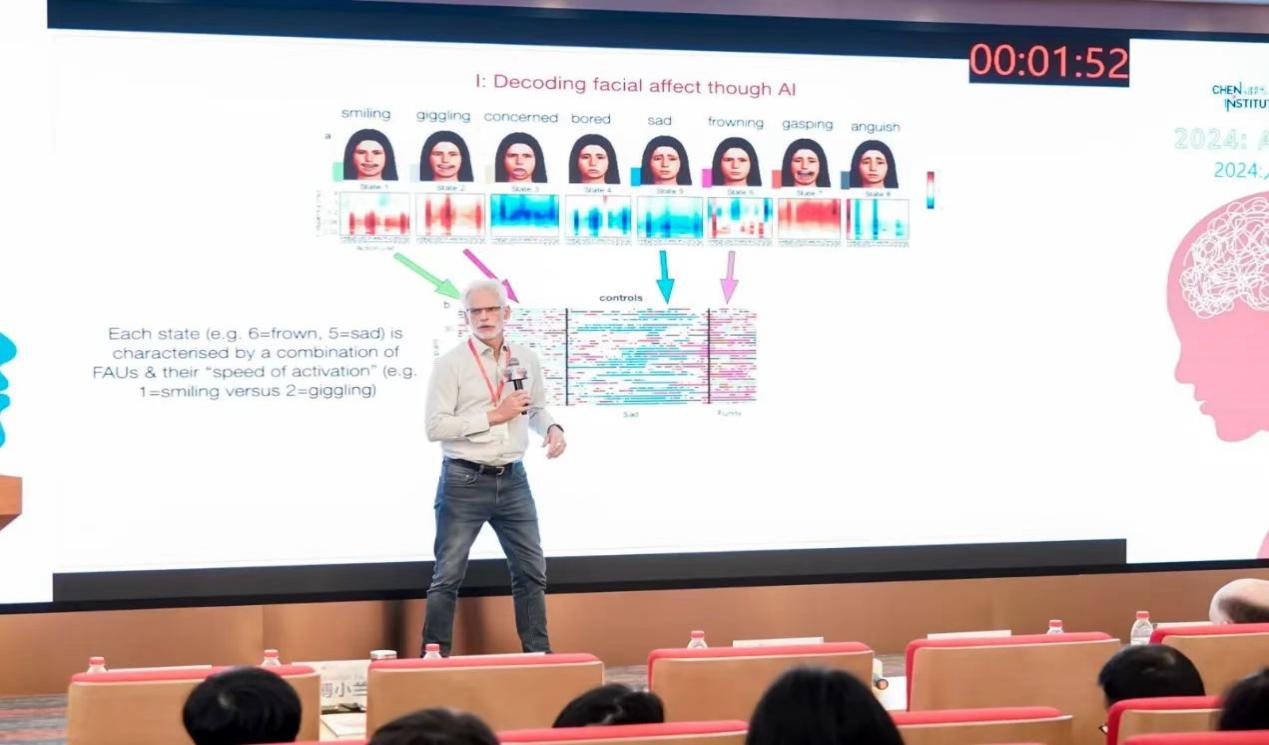
Professor Michael Breakspear from the University of Newcastle, Australia, comprehensively discussed how to optimize AI applications in mental health using generative models of the brain, focusing on four aspects: AI decoding of facial expressions, large language models simulating natural and pathological speech, generative AI quantifying brain abnormalities, and human-centered digital futures. He attempts to model the human mental world, viewing humans as active agents dynamically embedded in self-constructed interpersonal, social, cultural, and historical systems, while deep neural networks are core static matrices performing random interpolation.
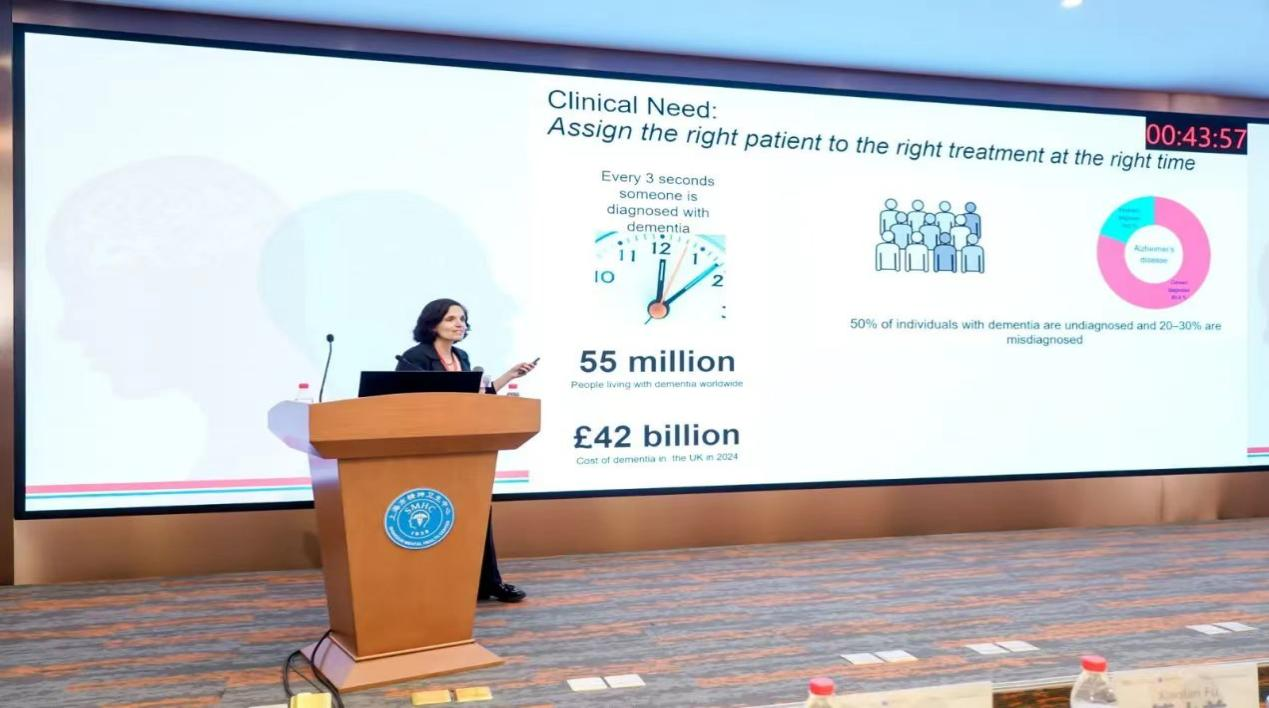
Professor Zoe Kourtzi from the University of Cambridge led the development of an AI tool for early prediction and diagnosis of dementia. It can identify potential dementia patients 10-15 years before symptoms appear, with an accuracy rate of 91%. In practical applications, this AI tool predicted the likelihood of mild cognitive impairment patients developing Alzheimer's disease three times more accurately than traditional clinical diagnostic methods. She suggested that AI might be used more broadly to track brain health trajectories in the future.
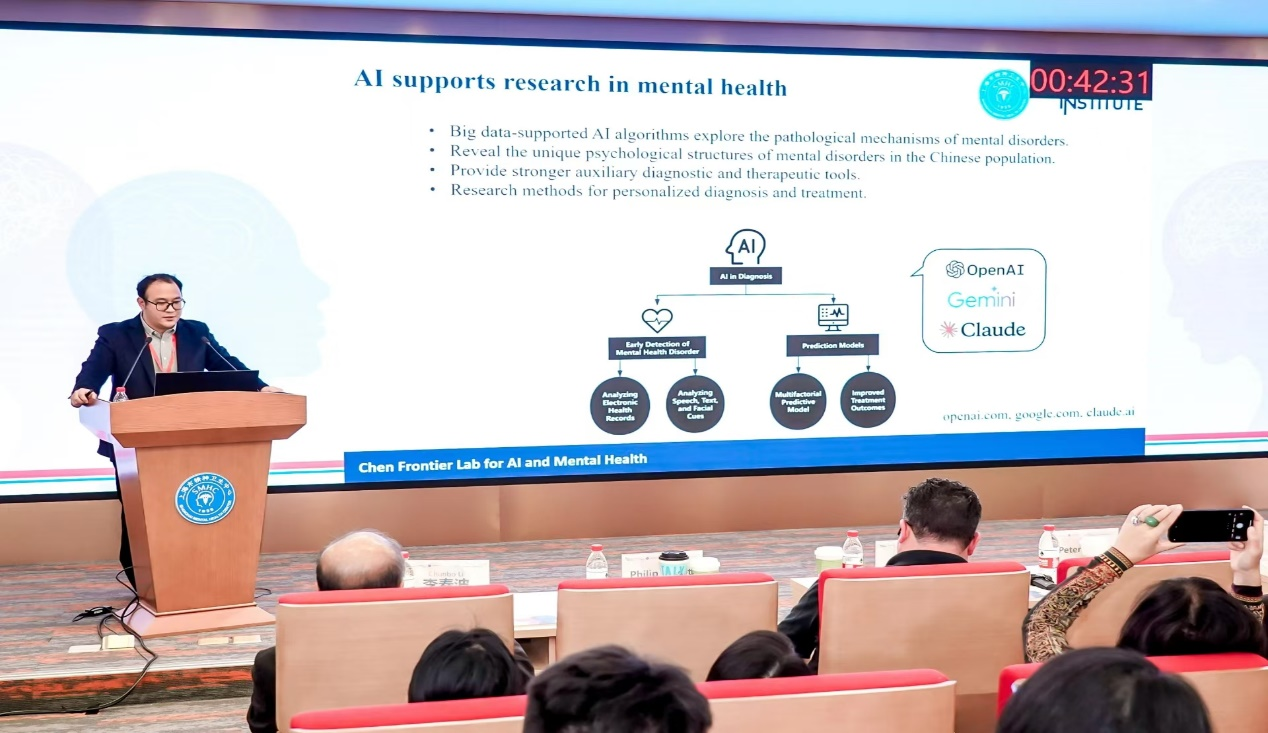
Professor Jianhua Chen from Shanghai Mental Health Center introduced that the Tianqiao and Chrissy Chen Institute's AI and Mental Health Frontier Lab is collaborating with Shanghai Mental Health Center on a project called "Ling Xi." Based on the characteristic that mental illness is "the only disease that can be diagnosed and treated through dialogue", they are building a genuine, high-quality collection of doctor-patient consultation dialogues for depression and anxiety patients to train AI large language models. The project has received ethical approval and has collected over 5,000 conversations totaling 1,000 hours, with numbers continuing to grow. The project plans to open collaboration opportunities to researchers and AI teams under strict compliance.
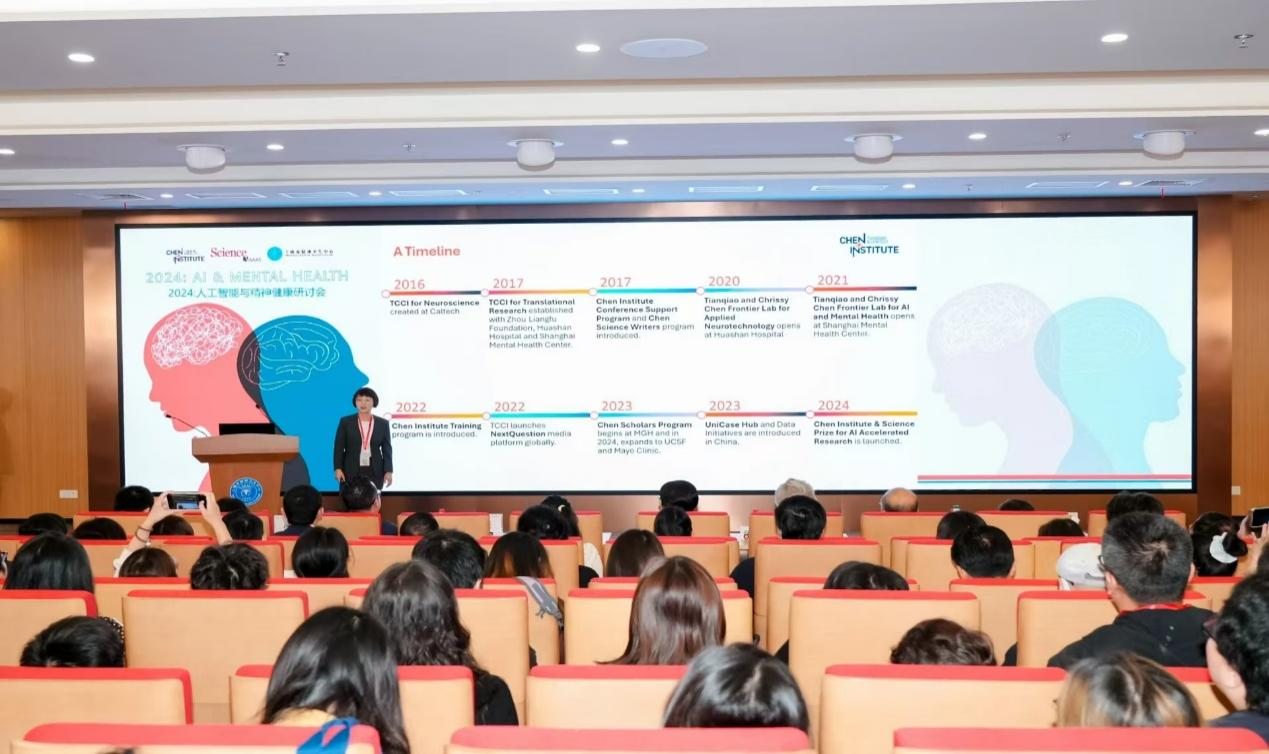
Dr. Yan Li, Executive Director of Scientific Programs at Chen Institute, introduced the institute's active initiatives in promoting AI- driven brain science, including launching the Prize for AI Accelerated Research in collaboration with Science, co-organizing AI interdisciplinary summer schools with world-renowned universities, and hosting or funding nearly 50 high-level international conferences on AI and brain science globally this year.
Professor Ioannis Paschalidis, Director of the Hariri Institute for Computing and Computational Science & Engineering at Boston University, Associate Professor Yanan Sui from Tsinghua University, Dr. Ye Li, Director of the Institute for Advanced Computing and Digital Engineering at Shenzhen Institute of Advanced Technology, Chinese Academy of Sciences, and Dr. Quentin Huys, Deputy Director of the Max Planck UCL Center for Computational Psychiatry and Ageing Research at University College London, shared their frontier explorations and practices in their respective fields regarding AI applications in early detection and prevention of brain diseases, building mental health foundation models with AI, and AI applications in depression treatment.
The conference also included closed-door discussions for young scientists, where more than ten young scientists engaged in in-depth exchanges with domestic and international guests.

During this two-day event, participating experts demonstrated the enormous potential of AI applications in mental health. Looking ahead, the integration of AI and mental health will continue to deepen, with potential breakthroughs expected in several areas: improving the accuracy and prevalence of AI-assisted mental illness diagnosis and treatment; making personalized treatment plans more intelligent; helping us better understand mental illness mechanisms through AI development, providing theoretical foundations for new treatment methods; and potentially achieving long-term tracking of brain health trajectories through AI technology for better prevention and management of mental health issues. Research on AI technology in mental illness diagnosis and treatment requires particular attention to ethical governance issues.