As a refractory disease with the highest mortality rate among psychiatric disorders, eating disorders seriously affect adolescents and young adults. The number of people with eating disorders has increased rapidly in China since the 21st century. And it is urgent for professional institutions and practitioners to improve their service.
On June 18th, 2023, the 1st China Eating Disorders Summit Forum, hosted jointly by the Shanghai Mental Health Center of the National Medical Center for Psychiatric Illness (hereinafter referred to as the Center) and the Shanghai Mental Health Association, was held at No. 600 Wanping South Road. The forum was co-organized by the Psychosomatic Medicine Branch of the Chinese Medical Association, the Eating Disorders Research Collaboration Group of the Psychiatric Medicine Branch of the Chinese Medical Association, the Professional Committee of Marriage and Family Psychology of the Chinese Social Psychology Association, and the Behavioral Medicine Branch of the Shanghai Medical Association.
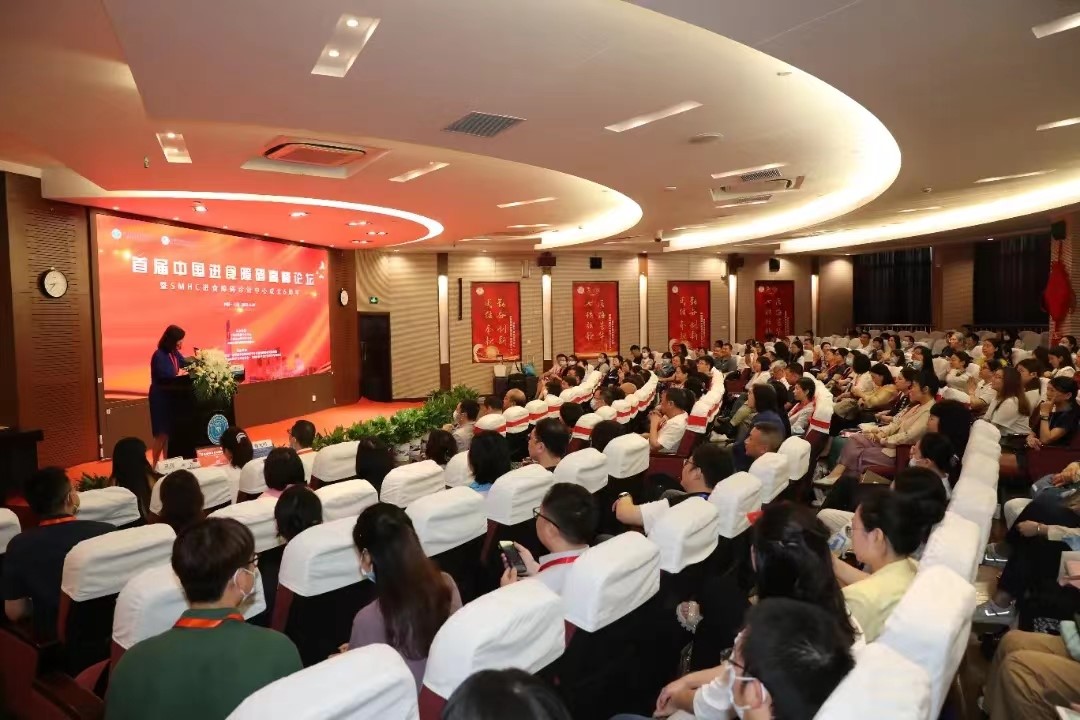
Xie Bin, Secretary of the Party Committee of the Center; Zhao Min, Director of the Center; Cao Hongming, Secondary Inspector of Shanghai Science and Technology Commission and Director of Biotechnology and Medicine Department; and Yuan Yonggui, Chairman of the Psychosomatic Medicine Branch of the Chinese Medical Association, delivered the opening speech for the forum. 260 experts and scholars from all over the country gathered here to share the latest research progress in eating disorders and congratulate the 6th anniversary of the SMHC Eating Disorders Diagnosis and Treatment Center. The opening ceremony was presided over by Chen Jue, the Executive Chairman of the Forum and the Director of the Clinical Psychology Department of our Center.
First of all, on behalf of Shanghai Mental Health Center, the host of the conference, President Zhao Min extended a warm welcome to the participants from all over China, and also thanked the leaders of various departments, experts and staff who supported the smooth implementation of the forum, and congratulated the successful holding of the forum. "Since 2017, the Eating Disorder Diagnosis and Treatment Center has entered a stage of rapid development. And I’m very happy see the continuous expansion and in-depth clinical and research work on eating disorders, providing effective help to more patients." The Director Zhao Min said that the convening of the first China Eating Disorders Summit Forum marked a great progress in the subdiscipline construction of the Center, which was of great significance. She expected that the summit forum would become an important academic exchange platform to promote and improve the diagnosis and treatment research as well as talent training of eating disorders in China.
While affirming the achievements of the Eating Disorder Diagnosis and Ttreatment Center, Director Cao Hongming pointed out that the accurate treatment of eating disorders cannot be separated from scientific research. The challenge brought by eating disorders encourages us to move the threshold of prevention and treatment forward and pay more attention to its prevention. Director Cao hoped that the SMHC Eating Disorder Diagnosis and Treatment Center would make continuous efforts in further study of pathological mechanism of eating disorders, develop treatment methods suitable for Chinese patients, and do a good job in social science popularization to better prevent the occurrence of eating disorders.
"In the past 20 years, the number of patients with eating disorders in China has been rising. It is the psychosomatic medical workers’ responsibility to carry out related preventions and treatments." On behalf of the Psychosomatic Medicine Branch of the Chinese Medical Association, Chairman Yuan Yonggui thanked the Eating Disorders Collaborative Group of the Chinese Medical Association Psychosomatic Medicine Branch for carrying out a lot of pioneering work and producing good results under the leadership of Chen Jue. He also hoped that the "Shanghai Model" of eating disorders diagnosis and treatment could be further promoted nationwide through the platform of the Eating Disorders Collaborative Group, which could improve the prevention and treatment of eating disorders in China and help more patients and their families.
At the end of the opening ceremony, Secretary Xie Bin made a summary. He believes that eating disorders are a ‘modern disease’ that occurs and develops with socio-economic and cultural changes. Under the background of our society, the discipline of eating disorders came into being and developed vigorously. The first China Eating Disorders Summit Forum, which is a milestone in the academic development of eating disorders in China, not only summarized our past experience, but also mapped out our future.
This forum featured rich content and wide coverage. Dr. Debra L. Safer, Co-Director of the Adult Eating Disorders Center at Stanford University, introduced the new advances in international evidence-based treatment of eating disorders and the Stanford treatment model, and shared the latest advances in international evidence-based research on eating disorders. Dr. Safer analyzed the current development of the eating disorder field in China, spoke highly of the work of the SMHC Eating Disorder Diagnosis and Treatment Center, and wished the eating disorder research in China will continue to make great progress. Professor Li Keqing, Head of the Eating Disorders Research Collaboration Group of the Psychiatric Branch of the Chinese Medical Association, chaired the panel discussion - "The Chinese Model of Eating Disorders Diagnosis and Treatment". Among the panelists were Li Jie, President of Tianjin Anding Hospital, Tan Liwen, Director of Xiangya Second Hospital, Kong Qingmei, Director of Peking University Sixth Hospital, Guo Yanmei, Director of Hebei Sixth Hospital, Qiao Huifen, Director of Nanjing Brain Hospital, Chen Han, Deputy Director of the Center, and six other experts from different parts of China. The discussion inspired participants to think about the establishment of diagnosis and treatment models in the future.
Professor Ma Lai-chong, Emeritus Professor of the Department of Social Work of the Chinese University of Hong Kong, shared the family treatment and research experience of adolescent eating disorders, and conducted an in-depth analysis of the environmental and family factors of adolescent eating disorders. Professor Meng Fu, Head of the Family Therapy Group of the Professional Committee of Psychotherapy and Counseling of the Chinese Association of Mental Health, chaired the panel discussion - "Family Intervention and cultural Adaptation of Eating Disorders in China". Seven experts, including Chen Xiangyi, Director of Shenzhen Union Hospital of Huazhong University of Science and Technology, Zhao Xudong, Dean of Mental Health Center Affiliated to Tongji University, Professor Liu Dan from Tsinghua University, Dr. Xu Wenyan from Fudan University, Kuang Guifang, Director of Qingdao Women's and Children's Hospital, Professor Zhang Xiang from Suzhou Vocational University, and Director of our Center Zhang Haiyin, participated in the discussion.
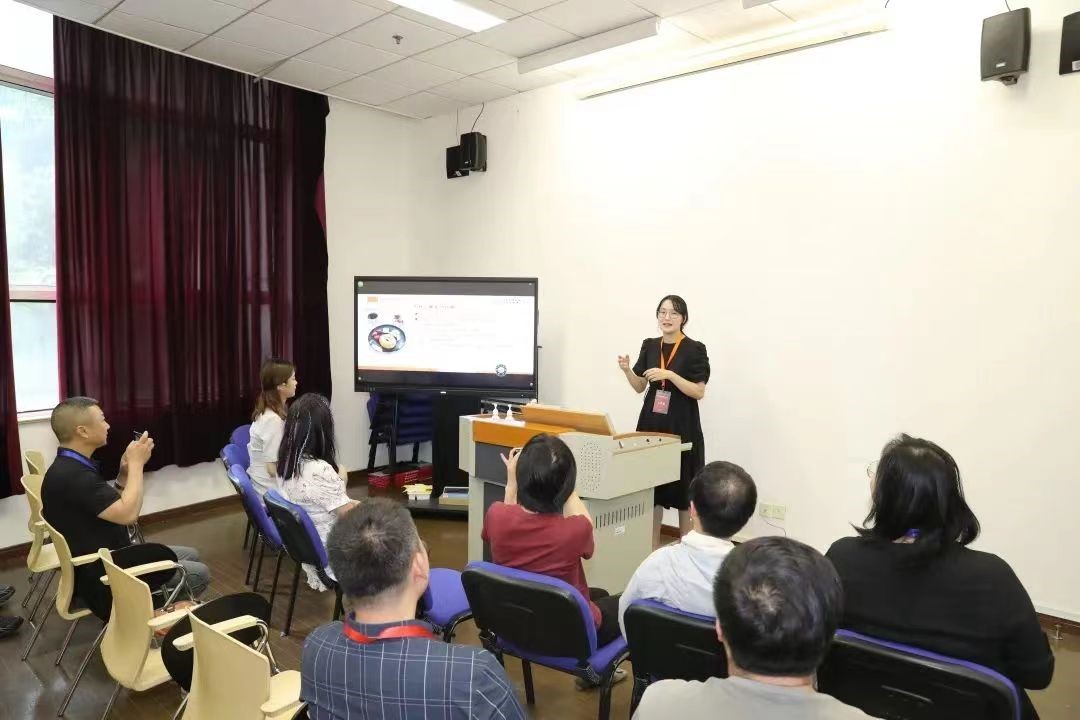
In order to bring an immersive experience to the participating experts, Han Hui, one of the therapists of the Eating Disorder Diagnosis and Treatment Center, invited more than 20 participants to experience the mindful eating at noon. She taught the participants to use the attitude of mindfulness to mobilize all our senses - vision, taste, hearing, smell, and touch. Then to focus on the eating experience, witness the emotional and physical reactions before, during and after the eating. Participants said that they were deeply impressed, and also got a deeper understanding of "mindful eating".
After the mindful lunch, Zhang Darong, Honorary Director of the Eating Disorder Diagnosis and Treatment Center of the Sixth Hospital of Peking University, summarized the past, present and future of the clinical practice of eating disorders in China, and conducted an in-depth and systematic analysis of the characteristics and influencing factors of eating disorders in China. Director Chen Jue reviewed the current research status in the fields of epidemiology, etiology, pathological mechanism, treatment and prevention of eating disorders in China, as well as our gap with our international peers, and pointed out some future research directions.
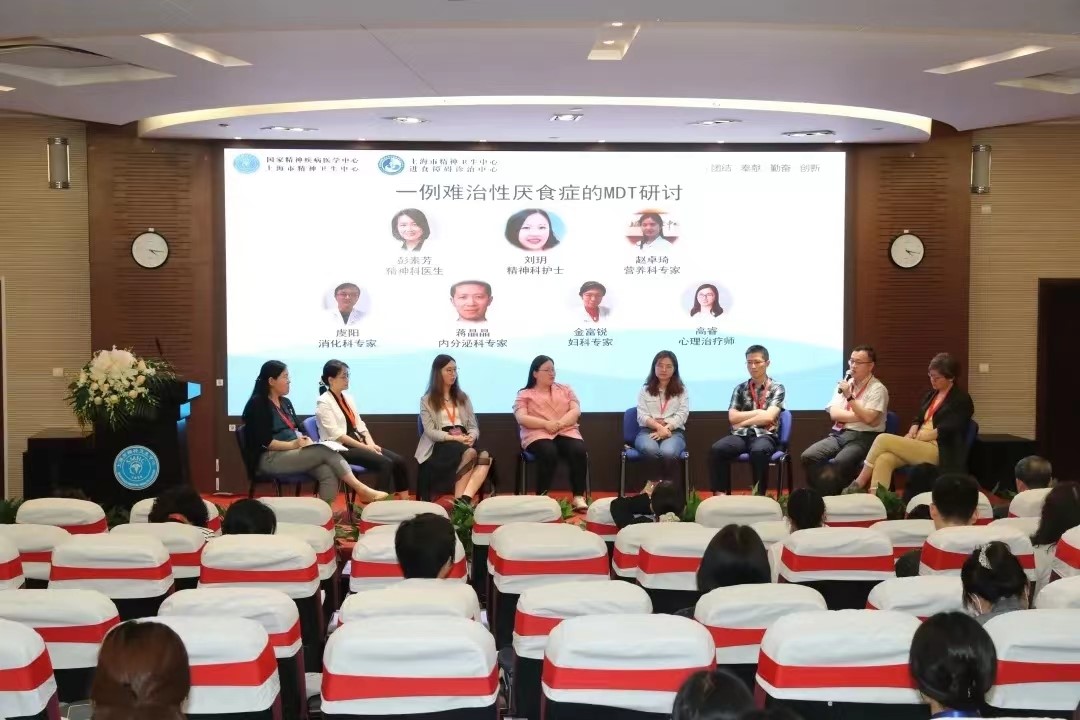
In the seminar of Multidisciplinary Treatment (MDT) of Eating Disorders led by Dr. Chengmei Yuan, Director of the Clinical Psychology Department of the Center, Peng Sufang, psychiatrist of SMHC Eating Disorder Diagnosis and Treatment Center, the Head Nurse Liu Yue, the psychotherapist Gao Rui, Dr. Zhao Zhuoqi, nutrition expert of Shanghai Children's Medical Center, Yu Yang, Gastroenterology Expert Director of East China Hospital, Jiang Jingjing, Endocrinology Expert Director of Zhongshan Hospital, and Jin Fului, Gynecology Expert Director of China Welfare Association International Peace Maternal and Child Health Hospital, expressed their opinions during the seminar. They discussed the multi-dimensional manifestation, diagnosis and treatment of eating disorder symptoms from different directions, showing the charm and significance of multi-disciplinary cooperation in the diagnosis and treatment of MDT.
"Although eating disorders are difficult to treat, I still see hope and warmth in clinical practice, which come from our patients and their families," Director Jue Chen said. She believes that doctors and patients must adhere to a common concept: since life of eating disorder patient is the most important thing, we should take actions immediately and do the right thing first. "We carry out a lot of family therapies, introduce all kinds of advanced treatment techniques, and develop interdisciplinary cooperation. We want to be able to help patients and their families through the most difficult times. This is not only to promote the outcome of the disease, but also to promote the maturity of personality."
This summit forum is a great exchange event that presented the achievements of the diagnosis and treatment of eating disorders in China in recent years. And it is also a new starting point for the future. With the support of all parties, SMHC Eating Disorder Diagnosis and Treatment Center will continue to scale new heights in the aspects of diagnosis and treatment, teaching, scientific research, social services, etc. Therefore, it can promote the development of eating disorder science in China and meet the public's demand for high-quality mental health service.