Globally, mental health issues are increasingly being recognized and prioritized. Tracing back to its origins, Sigmund Freud was the pioneer who established psychoanalysis as a form of talk therapy, which subsequently inspired the development of other psychological treatment approaches. Over more than a century of evolution, psychoanalysis, alongside other psychological therapies, has worked tirelessly to alleviate human psychological suffering and promote well-being. In 1910, Freud founded the International Psychoanalytical Association (IPA). This year, the academic conference of the IPA Research Committee, the Joseph Sandler Psychoanalytic Research Conference, ventured beyond Europe and North America for the first time, to the beautiful city of Shanghai, China.
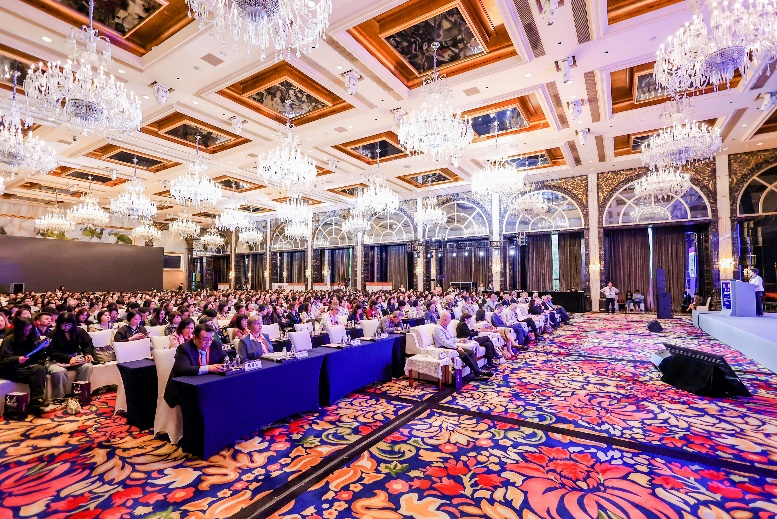
The 2024 Joseph Sandler Psychoanalytic Research Conference, hosted by the IPA Research Committee and the Institute of Psychotherapy of the National Center for Mental Disorders (Shanghai Mental Health Center), organized by the Shanghai Mental Health Association, and co-organized by the IPA China Study Group, was held grandly in Shanghai on November 1, 2024. The theme of this conference is "The Scientific Basis of Psychoanalytic Therapy: Clinical Practice, Theory, and Research." Participants from 15 countries worldwide, including the United States, Sweden, Germany, Austria, Brazil, Australia, Japan, and China, assembled in this international event.
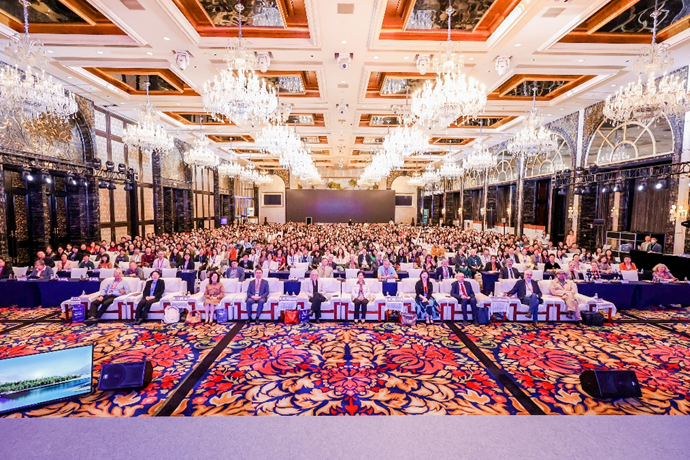
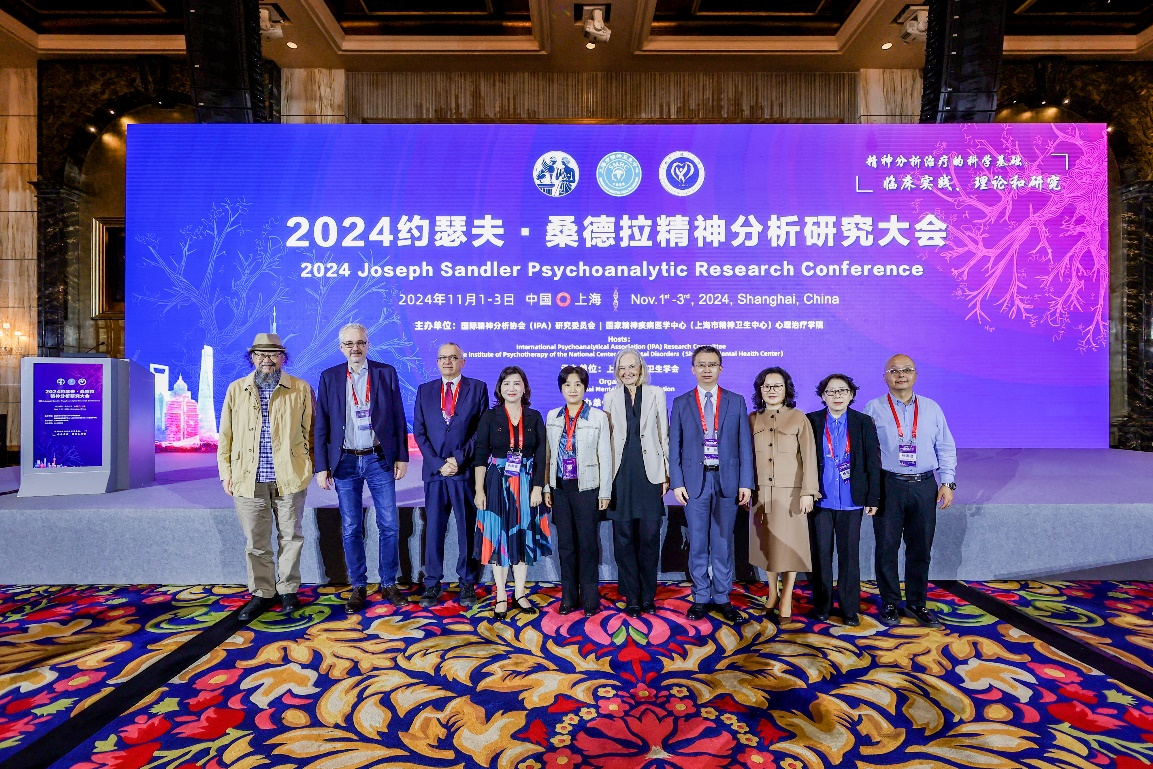
Attending the opening ceremony of the conference were guests such as Zhao Min, Director, and Wang Zhen, Deputy Director of the National Center for Mental Disorders (Shanghai Mental Health Center); Professor Siri Gullestad, Chair of the Research Committee of the International Psychoanalytical Association (IPA); Professor Qiu Jianyin, Director of the Institute of Psychotherapy of the National Center for Mental Disorders (Shanghai Mental Health Center); and Professor Tong Jun, the First Chair of the IPA China Study Group.
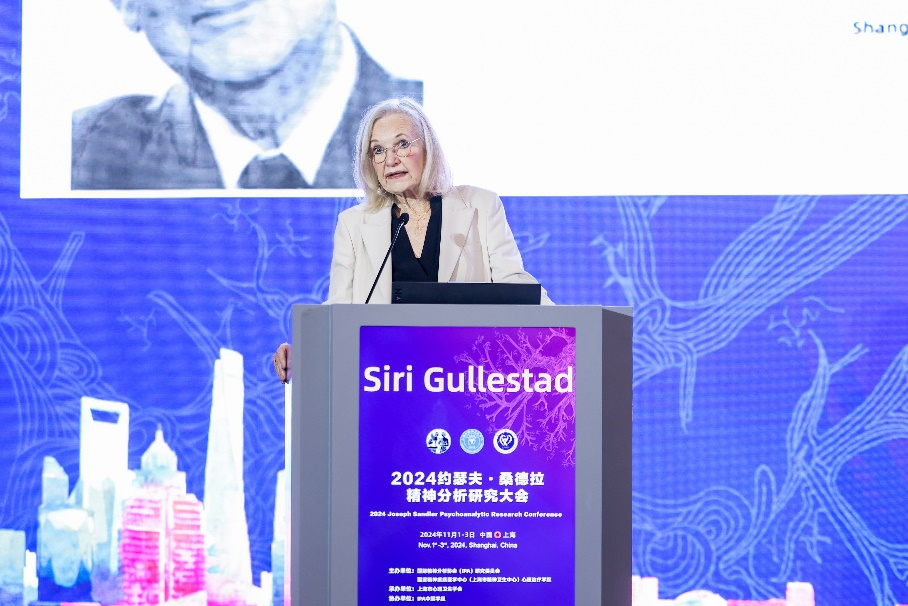
Professor Siri Gullestad introduced that Joseph Sandler had been dedicated to breaking down the barriers between psychoanalytic clinical practice and scientific research. Therefore, the Psychoanalytic Research Conference is named in his honor, aiming to establish a bridge of communication between the two. It is an honor for the IPA to hold this year's conference in Shanghai, China. Public mental health issues, as Professor Gullestad pointed out, have become a global focus, and psychoanalysis also needs to keep pace with the times to help address psychological problems.
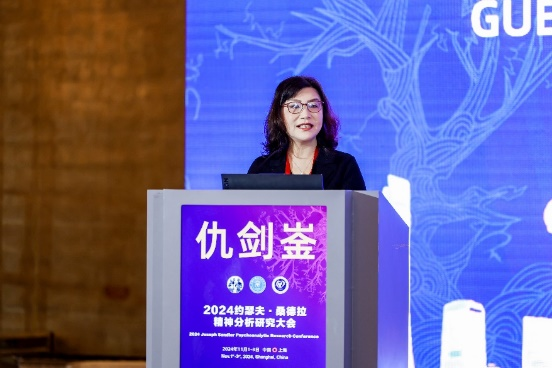
Professor Qiu Jianyin, on behalf of the hosts, first extended the warmest welcome to the international participants and shared the story behind bidding for the Sandler Conference. In today's era where mental health issues are increasingly prominent, the Sandler Conference facilitates psychoanalytic practitioners to explore possible future developments by discussing various perspectives such as the therapeutic process and effectiveness of psychoanalysis, interdisciplinary integration, and the impact of AI development on psychotherapy.
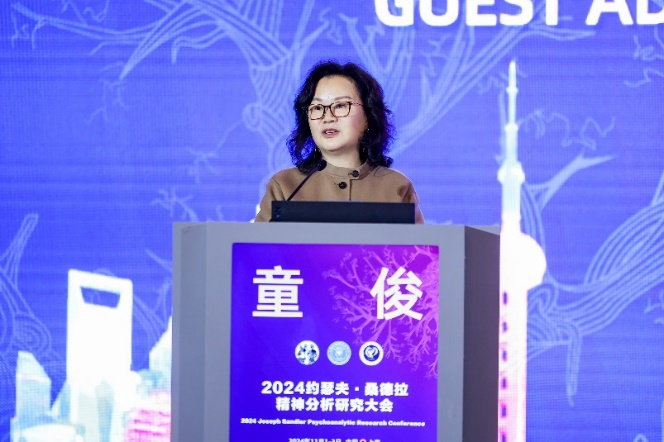
Professor Tong Jun, on behalf of the IPA China Study Group, extended sincere congratulations on the successful convening of the conference. Professor Tong noted that in today's era with so many uncertainties, challenges coexisted with opportunities for development. Professor Tong expressed great anticipation for the Sandler Conference, held for the first time in Asia and in Shanghai, China, where the collision of Eastern and Western cultures would spark new ideas.
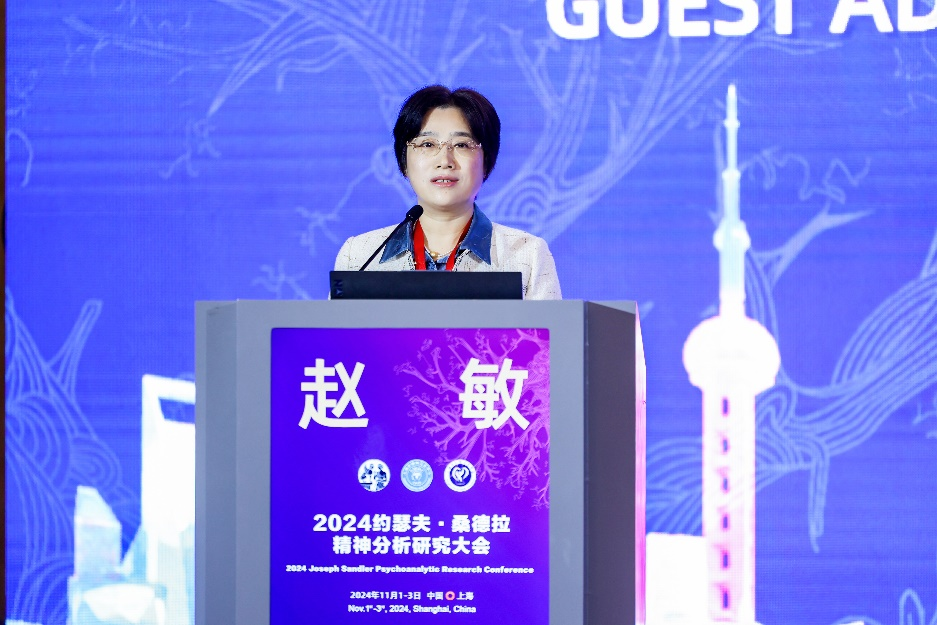
Professor Zhao Min, on behalf of the National Center for Mental Disorders (Shanghai Mental Health Center), extended sincere welcome to all and expressed gratitude for the concern and support for the institution, known as No. 600. As Professor Zhao stated in her speech, Shanghai Mental Health Center, a national "dual-center" that serves as both the National Center for Mental Disorders and the National Quality Control Center for Psychiatric Medicine, has been playing a leading role in the development of mental health services in China. The center has been actively building a national training platform for psychotherapy talents, promoting the standardization of psychotherapy training and research, and facilitating the transformation of psychotherapy research outcomes. Professor Zhao briefly reviewed the positive contributions made by Shanghai Mental Health Center in the dissemination and development of psychoanalysis, including the hosting of the Sino-German Psychotherapy Training Program, the annual research training program of the International Psychoanalysis Association, and the 2024 Joseph Sandler Psychoanalytic Research Conference.

Professor Heribert Blass, the IPA's President-Elect, was unable to attend the conference in person but sent his congratulations through a video message. Professor Blass expressed that holding the Sandler Conference in Shanghai, China, for the first time would facilitate exchanges between Eastern and Western psychoanalysis scholars and promote advancements in the theory and practice of this field, which is of great significance to the present and future of psychoanalysis.
The conference, held from November 1st to November 3rd, brings together top experts from around the world to focus on the scientific foundations, clinical practice, theoretical innovations, and cutting-edge research in psychoanalytic therapy. The conference will feature 12 plenary sessions, 1 keynote lecture, 7 panels, 7 symposia, poster presentations, and topics including: analytical psychotherapy, the Lacanian school, psychoanalytic-oriented treatment for children and adolescents, Chinese culture and psychoanalysis, trauma, dreams, dynamic couple and partnership therapy, the impact of new era changes such as tele-analysis and AI on traditional psychoanalysis, supervision in psychoanalytic therapy, and joint case supervision across different schools of psychoanalysis.
Today, the significant hosting of the Sandler Conference in Shanghai, China, marks a milestone. The thriving development of psychoanalysis in China over the past three decades has been recognized by the International Psychoanalysis Association and has contributed its unique strength to Healthy China. The key to keeping psychoanalysis current and vibrant in the Chinese cultural context lies in exploring its concepts, theories, efficacy, and mechanisms of action through scientific research to better promote clinical practice. Meanwhile, psychoanalysis rooted in traditional Chinese culture and modern life practices will be an important source of continuous innovation and development for psychoanalysis.
Written by Jiani Wang, Proofread by Jianyin Qiu